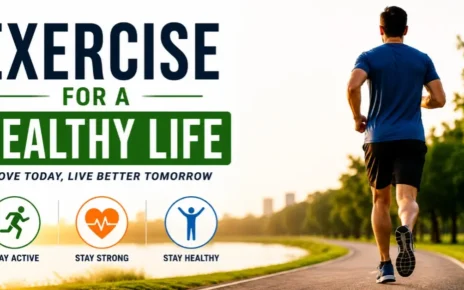
Physical strength is no longer measured only by the amount of weight you can lift. Today, it represents confidence, discipline, resilience, and the commitment to care for your body every single day. People are discovering that becoming stronger isn’t about chasing perfection—it’s about creating a healthier lifestyle that improves both physical and mental well-being.
Whether you’re lifting weights, walking every morning, completing bodyweight exercises at home, or simply becoming more active, every step toward improving your physical strength is also an investment in your future. Strong bodies recover better from daily challenges, support healthy aging, improve posture, and help people feel more capable in everyday life.
- Improves muscle and bone health.
- Increases confidence and resilience.
- Supports heart health and metabolism.
- Boosts energy and daily performance.
- Helps reduce the risk of injury.
- Encourages lifelong healthy habits.
Why Strength Is About More Than Muscles
Many people think strength training is only for athletes or bodybuilders, but that’s one of the biggest misconceptions in fitness. Physical strength benefits everyone regardless of age or experience. Carrying groceries, climbing stairs, playing with children, maintaining good posture, and preventing falls later in life all depend on having strong muscles.
Building strength also improves how your body functions every day. Strong muscles support healthy joints, improve balance, increase endurance, and make everyday tasks feel easier. Instead of focusing only on appearance, modern fitness encourages people to become stronger for better health and greater independence.
If you’re beginning your fitness journey, our complete Exercise Guide explains how to choose safe, effective exercises and build a routine that matches your current fitness level.
Physical Strength Builds Mental Resilience
Exercise doesn’t just transform the body—it also strengthens the mind. Every workout teaches discipline, patience, and consistency. Setting small fitness goals and achieving them creates confidence that often carries into work, relationships, and personal challenges.
Many people notice reduced stress, improved mood, and greater emotional resilience after following a regular exercise routine. Physical activity encourages the release of natural chemicals that support mental well-being while reducing everyday tension.
Creating a consistent routine is one of the most important habits for long-term success. Our article on Daily Exercise Routine Benefits explains how simple daily movement improves both physical and mental performance.
Simple Ways to Build Physical Strength
| Activity | Main Benefit |
|---|---|
| Strength Training | Builds lean muscle and improves overall power. |
| Walking | Improves endurance and heart health. |
| Bodyweight Exercises | Increase functional strength without equipment. |
| Stretching | Improves flexibility and reduces stiffness. |
| Low-Impact Exercise | Protects joints while improving overall fitness. |
Women are increasingly embracing strength training because it improves confidence, posture, bone health, and everyday fitness without needing extreme workouts. Learn more in our guide Fitness for Women: How to Sculpt a Smooth and Toned Body Naturally, which shares practical tips for building lean muscle and long-term wellness.
Never underestimate the power of walking. It remains one of the easiest ways to improve cardiovascular fitness, increase stamina, and reduce daily stress. Our article The Art of Walking explains why this simple habit continues to transform both physical and emotional health.
Daily Habits That Make You Stronger
Building physical strength doesn’t require spending hours in the gym every day. The strongest people usually focus on simple habits they can maintain consistently. Small actions repeated over time create lasting results and improve overall health far more than occasional intense workouts.
Start by moving your body every day, eating balanced meals, drinking enough water, and getting quality sleep. Recovery is just as important as exercise because muscles repair and grow stronger while your body rests. Skipping recovery often leads to fatigue, poor performance, and a greater risk of injury.
If you prefer training at home, bodyweight exercises are an excellent place to begin. Squats, push-ups, planks, lunges, and glute bridges improve functional strength while requiring little or no equipment. Our guide on Daily Bodyweight Workout: Build Strength at Home Without Equipment provides beginner-friendly routines that help build strength safely.
Strength Training Myths You Should Stop Believing
- ✔ Strength training is only for athletes.
- ✔ Women become bulky from lifting weights.
- ✔ You must join a gym to get stronger.
- ✔ Cardio alone is enough for complete fitness.
- ✔ Heavy workouts every day produce faster results.
- ✔ Age is a barrier to building strength.
The truth is that strength training benefits almost everyone. Whether you’re young or older, exercising at home or in a gym, building stronger muscles improves balance, posture, metabolism, and overall quality of life.
Train Smart and Protect Your Joints
Getting stronger doesn’t always mean lifting heavier weights. Training with proper technique, allowing enough recovery time, and choosing exercises that suit your fitness level are far more important than pushing yourself beyond your limits.
If you experience knee discomfort or want a gentler approach to fitness, our Low Impact Daily Workout Routine explains how to improve strength while reducing unnecessary pressure on your joints.
Frequently Asked Questions
1. What is physical strength?
Physical strength is your body’s ability to produce force during everyday activities or exercise. Strong muscles improve movement, balance, posture, and overall health.
2. Can beginners build strength at home?
Yes. Bodyweight exercises, resistance bands, and simple home workouts are highly effective for building strength without expensive equipment.
3. How often should I do strength training?
Most adults benefit from strength training at least two or three times each week while allowing enough recovery between sessions.
4. Is walking enough to build strength?
Walking improves endurance and cardiovascular health, but combining it with bodyweight or resistance exercises creates a more balanced fitness routine.
True Strength Starts With One Decision
Physical strength is about much more than appearance. It represents resilience, confidence, better health, and the ability to enjoy everyday life with greater energy and independence. You don’t need perfect workouts or expensive equipment to become stronger. Start where you are, stay consistent, and allow healthy habits to become part of your lifestyle. Every workout, every walk, and every positive choice brings you one step closer to becoming stronger—both physically and mentally.