
Following a daily exercise routine is one of the most effective ways to improve both physical and mental health. Regular movement strengthens the heart, increases energy, supports healthy weight management, improves sleep quality, and reduces the risk of many long-term health conditions. The good news is that you don’t need expensive gym equipment or hours of training to experience these benefits. Consistency matters far more than intensity.
Whether your goal is to lose weight, build strength, improve flexibility, or simply feel healthier every day, developing a realistic exercise routine can completely change your lifestyle. Walking, bodyweight exercises, stretching, cycling, swimming, and resistance training all contribute to better health when practiced regularly. The key is finding activities you enjoy and making them part of your everyday schedule.
- Improves heart and lung health.
- Builds muscle strength and endurance.
- Boosts energy throughout the day.
- Supports healthy body weight.
- Reduces stress and improves mood.
- Promotes better sleep and faster recovery.
Why a Daily Exercise Routine Matters
Your body is designed to move. Long periods of sitting can contribute to weight gain, poor posture, reduced flexibility, and increased risk of chronic diseases. A consistent exercise routine keeps your muscles active, improves blood circulation, strengthens your immune system, and supports healthy brain function.
Exercise also improves productivity. Many people notice they think more clearly, stay focused longer, and manage daily stress better after regular physical activity. Even a 20 to 30-minute workout can positively influence the rest of your day.
If you’re just beginning your fitness journey, our complete Exercise Guide explains how to choose workouts that match your goals, fitness level, and lifestyle.
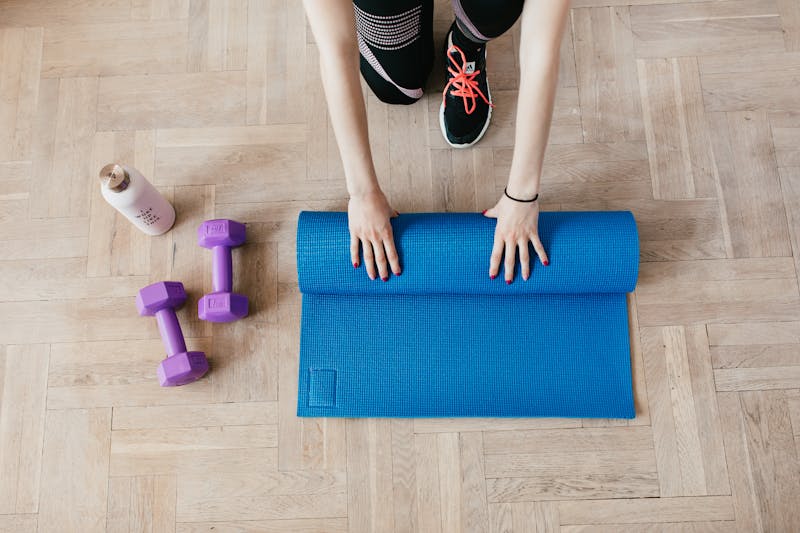
Physical Benefits You Can Feel
| Benefit | How Daily Exercise Helps |
|---|---|
| Heart Health | Improves circulation and strengthens the cardiovascular system. |
| Muscle Strength | Builds stronger muscles while supporting healthy joints. |
| Weight Management | Burns calories and supports a healthy metabolism. |
| Energy | Reduces fatigue and improves daily stamina. |
| Sleep | Encourages deeper, more refreshing sleep. |
| Mental Focus | Improves concentration and overall brain performance. |
Walking remains one of the easiest ways to begin exercising. It requires no equipment, suits almost every fitness level, and provides impressive health benefits. Our article on The Art of Walking explains how one simple habit supports both physical health and emotional well-being.
If your goal includes improving body composition, increasing fitness, and burning calories efficiently, read our Practical Guide to the Best Exercises for Weight Loss and Fitness. It explains how combining cardio and strength training produces sustainable long-term results.
Building a Routine That Fits Your Lifestyle
The biggest mistake people make is trying to do too much too soon. Instead of starting with difficult workouts, begin with achievable goals. Walking after dinner, stretching in the morning, or completing a short home workout several days each week is often enough to establish a lasting habit.
Many beginners also find bodyweight exercises extremely effective because they improve strength without requiring expensive equipment. Squats, lunges, push-ups, planks, and glute bridges train multiple muscle groups while improving balance and coordination.
If you want a beginner-friendly strength program, explore Daily Bodyweight Workout: Build Strength at Home Without Equipment, which provides practical exercises suitable for home workouts.
Women who want to improve strength, flexibility, posture, and overall wellness can also benefit from routines designed specifically for their needs. Our guide on Fitness for Women shares sustainable strategies for building confidence while supporting long-term health.
Common Mistakes That Slow Your Progress
Many people stop exercising because they expect immediate results. Fitness is built gradually through consistent effort rather than short bursts of motivation. Avoiding common mistakes helps you stay on track and reduces the risk of injury.
- ✔ Skipping warm-up and cool-down sessions.
- ✔ Exercising too hard during the first few weeks.
- ✔ Ignoring proper exercise technique.
- ✔ Sleeping too little between workouts.
- ✔ Drinking insufficient water.
- ✔ Following unrealistic fitness goals.
- ✔ Comparing your progress with others.

Choosing the Right Workout for Your Fitness Level
Everyone begins at a different fitness level, so your workout routine should match your current abilities rather than someone else’s. Beginners benefit from low-impact exercises that improve endurance and confidence, while more experienced individuals may gradually increase intensity through resistance training or interval workouts.
If you experience knee discomfort, joint stiffness, or are returning after a long break, our Low Impact Daily Workout Routine explains how to stay active while reducing unnecessary pressure on your joints.
If you’re completely new to fitness and want something simple to begin with, our No Equipment Lazy Workout for Beginners at Home offers practical exercises that require very little space or equipment.
How to Stay Consistent Every Week
Motivation changes from day to day, but habits create long-term success. Instead of relying on motivation alone, schedule exercise the same way you schedule work or important appointments. Even a short workout is better than skipping the day completely.
Helpful strategies include preparing workout clothes the night before, exercising with a friend, tracking your progress, and celebrating small improvements. These simple habits make consistency much easier over time.
| Habit | Benefit |
|---|---|
| Exercise at the same time daily | Builds routine and consistency. |
| Track your workouts | Shows progress and increases motivation. |
| Mix different exercises | Prevents boredom and trains the whole body. |
| Take recovery days | Supports muscle repair and prevents burnout. |
| Set realistic goals | Makes long-term success more achievable. |
How Exercise Improves Long-Term Health
One of the greatest advantages of following a daily exercise routine is that the benefits continue to grow over time. Unlike quick-fix fitness programs, regular physical activity creates lasting improvements that affect nearly every system in the body. Your heart becomes stronger, your lungs work more efficiently, your muscles gain endurance, and your bones become healthier. These improvements help you stay active and independent throughout life.
Exercise also helps regulate blood sugar levels, supports healthy blood pressure, and improves cholesterol balance. These changes reduce the risk of developing many long-term conditions such as heart disease, type 2 diabetes, and obesity. While no exercise program can guarantee perfect health, staying physically active gives your body the best opportunity to function at its highest level.
Another important benefit is improved posture and mobility. Modern lifestyles often involve sitting for long hours at desks, in cars, or while using digital devices. This lack of movement can lead to stiff joints, weak muscles, neck pain, and lower back discomfort. A balanced exercise routine that includes stretching, walking, and strength training helps improve posture while reducing muscle tightness.
Exercise also strengthens the immune system. People who stay active regularly often recover faster from minor illnesses and enjoy better overall health because moderate physical activity supports healthy immune function. Combined with nutritious meals, quality sleep, and proper hydration, daily movement becomes one of the foundations of preventive healthcare.
One of the most overlooked benefits of exercise is increased confidence. Achieving small fitness goals—whether walking farther, completing more repetitions, or simply staying consistent for several weeks—creates a sense of accomplishment. That confidence often carries into other areas of life, including work, education, and personal relationships.
If you’re looking for additional ways to support your long-term wellness, our guide on Health Protection Benefits explains how preventive habits such as regular exercise, healthy nutrition, and daily routines work together to protect your health for years to come.
Remember that fitness is a lifelong journey rather than a short-term challenge. Some days your workout may be longer, while other days a simple walk is enough. The important thing is to keep moving. Every step, stretch, and workout contributes to a healthier heart, stronger muscles, better mental well-being, and a higher quality of life. Small daily actions, repeated consistently, create results that last far beyond the gym.
Frequently Asked Questions
1. How long should a daily exercise routine last?
Most adults benefit from about 30 minutes of moderate exercise on most days of the week. Beginners can start with shorter sessions and gradually increase their activity level.
2. Is walking enough for daily exercise?
Walking is an excellent foundation for fitness. Combining walking with strength and flexibility exercises creates a more balanced routine.
3. Should I exercise every day?
Daily movement is beneficial, but intense workouts should be balanced with lighter activities and recovery days to allow muscles to repair.
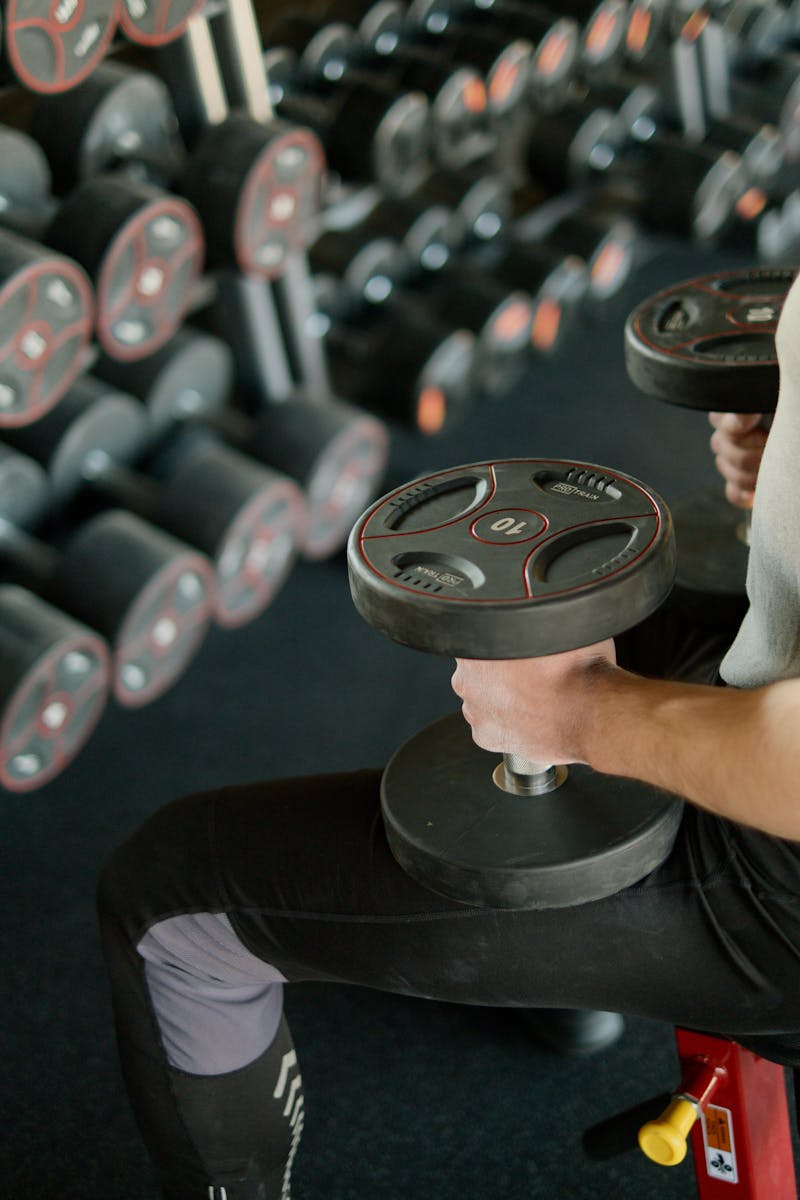
4. Can I build muscle without a gym?
Yes. Bodyweight exercises, resistance bands, and simple home workouts can effectively build strength when performed consistently.
Consistency Creates Lasting Results
A daily exercise routine is one of the most valuable habits you can develop for lifelong health. Regular movement strengthens your heart, improves mental well-being, increases energy, supports healthy weight management, and helps you stay physically independent as you age. You don’t need perfect workouts or expensive equipment—just consistent effort. Start with simple movements, stay patient, and remember that every workout brings you one step closer to a stronger body and a sharper mind.