A cancer diagnosis can change life in an instant, bringing uncertainty, fear, and countless questions. Whether you have recently been diagnosed, are supporting a loved one, or simply want to understand cancer better, having reliable information is the first step toward making informed decisions. This cancer guide explains the basics of cancer, common warning signs, modern treatment options, prevention strategies, and healthy lifestyle habits that can support overall well-being.
Cancer is not a single disease. It is a group of more than 100 conditions that develop when abnormal cells grow uncontrollably and invade healthy tissues. Some cancers grow slowly, while others spread quickly if they are not detected early. Thanks to advances in medical research, screening programs, and personalized treatments, many people today are living longer and healthier lives after a cancer diagnosis. Early detection, timely treatment, and ongoing support remain the strongest tools in improving outcomes.
- More than 100 different types of cancer exist.
- Early diagnosis often improves treatment success.
- Healthy lifestyle choices may lower the risk of several cancers.
- Modern treatments continue to improve survival and quality of life.
- Emotional support is an important part of recovery.
Understanding How Cancer Develops
Every healthy cell in your body follows a natural life cycle. Cells grow, divide, perform specific functions, and eventually die to make room for new healthy cells. Cancer develops when this normal process breaks down. Damaged cells continue growing instead of stopping, eventually forming tumors or spreading through the blood and lymphatic system.
Not every tumor is cancerous. Benign tumors usually remain in one location and do not spread to other organs. Malignant tumors, however, can invade nearby tissues and spread throughout the body, making early diagnosis extremely important.
Several factors may increase cancer risk, including tobacco use, excessive alcohol consumption, obesity, poor nutrition, physical inactivity, prolonged exposure to ultraviolet radiation, environmental pollutants, certain infections, family history, and increasing age. Having one or more risk factors does not guarantee someone will develop cancer, but understanding these risks helps people make healthier choices.
Early Warning Signs You Should Never Ignore
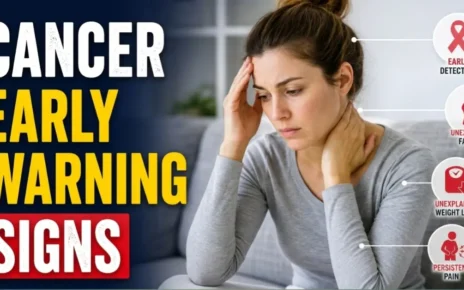
Many cancers produce few symptoms during their earliest stages, which is why regular medical checkups and recommended screening tests are so valuable. However, some warning signs deserve immediate medical attention if they continue without explanation.
- Unexplained weight loss.
- A lump or swelling that does not disappear.
- Persistent fatigue.
- Changes in bowel or bladder habits.
- Difficulty swallowing.
- A cough or hoarseness lasting several weeks.
- Skin changes or unusual moles.
- Unexplained bleeding.
These symptoms do not always mean cancer, but they should never be ignored. Early evaluation allows doctors to identify problems sooner, when treatment is often more effective.
Our detailed guide on Cancer Symptoms explains the most common warning signs, when to seek medical advice, and why recognizing early changes can save lives.
Common Types of Cancer
| Cancer Type | Common Area Affected |
|---|---|
| Breast Cancer | Breast tissue |
| Lung Cancer | Lungs |
| Colorectal Cancer | Colon and rectum |
| Prostate Cancer | Prostate gland |
| Skin Cancer | Skin cells |
| Blood Cancers | Blood and bone marrow |
Every cancer behaves differently, which means diagnosis, treatment, and recovery plans vary from one patient to another. Some cancers respond well to surgery alone, while others require combinations of chemotherapy, radiation therapy, immunotherapy, targeted therapy, or hormone therapy.
Women should also understand the importance of early breast cancer awareness. Our article on Understanding and Fighting Breast Cancer in Young Women discusses risk factors, early detection, and practical prevention advice.
Why Breast Cancer Awareness Matters
Breast cancer is one of the most commonly diagnosed cancers worldwide, making awareness and early detection extremely important. Learning how to recognize possible warning signs, understanding personal risk factors, and attending recommended screening appointments can improve the chances of finding breast cancer at an earlier, more treatable stage. Regular breast self-awareness and routine medical checkups are valuable parts of long-term health.
If you’d like to learn more about prevention strategies, early detection, and practical wellness advice, read our comprehensive guide on Breast Cancer Awareness, which offers detailed information for women of all ages and their families.
Modern Cancer Diagnosis and Treatment
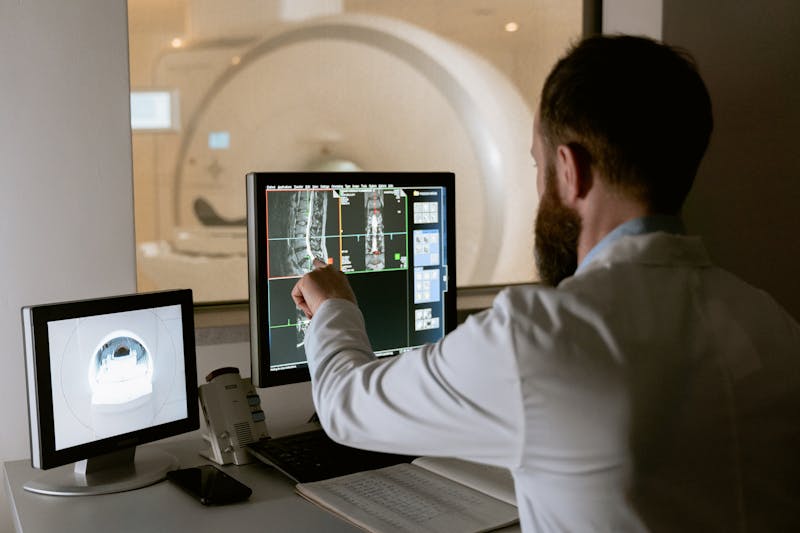
Doctors use several methods to diagnose cancer accurately. These may include physical examinations, blood tests, medical imaging such as CT scans, MRI scans, PET scans, ultrasound examinations, and biopsies. A biopsy remains one of the most reliable ways to confirm whether abnormal cells are cancerous.
Once diagnosed, treatment plans are carefully tailored according to the type of cancer, its stage, overall health, and personal preferences. Modern oncology combines different treatment approaches to improve outcomes while preserving quality of life whenever possible.
Cancer treatment is also becoming increasingly personalized. Advances in genetic testing and precision medicine allow doctors to select therapies that target specific characteristics of an individual’s cancer, improving effectiveness while reducing unnecessary side effects.
For patients beginning treatment, our comprehensive guide on Path to Health for Cancer Patients explains how nutrition, emotional well-being, physical activity, and healthy daily habits support recovery alongside professional medical care.
Living Well During and After Cancer Treatment
Although medical treatment is the foundation of cancer care, daily lifestyle choices can significantly influence recovery and quality of life. Healthy habits cannot cure cancer, but they may help patients maintain strength, improve energy levels, support the immune system, and cope better with treatment.
Doctors often encourage patients to eat a balanced diet rich in vegetables, fruits, lean proteins, whole grains, and healthy fats. Drinking enough water, staying physically active within personal limits, and getting adequate sleep all contribute to overall well-being. These habits also help many patients manage treatment-related fatigue and maintain independence.
Every patient’s journey is different, so lifestyle recommendations should always be discussed with the healthcare team. Small improvements practiced consistently often make a greater difference than trying to change everything at once.

Reducing Your Cancer Risk Through Prevention
While not every cancer can be prevented, research shows that many cases are linked to lifestyle and environmental factors. Taking preventive steps today may lower your long-term risk and improve overall health.
- ✔ Avoid smoking and secondhand smoke.
- ✔ Maintain a healthy body weight.
- ✔ Stay physically active most days of the week.
- ✔ Eat a balanced diet with plenty of fruits and vegetables.
- ✔ Limit processed and red meat.
- ✔ Protect your skin from excessive sun exposure.
- ✔ Attend recommended cancer screenings.
- ✔ Limit alcohol consumption.
Preventive healthcare goes beyond cancer alone. Healthy daily habits strengthen your body against many chronic illnesses. Our guide on Health Protection Benefits explains how simple preventive choices support long-term wellness.
Emotional Strength Matters as Much as Physical Strength
Receiving a cancer diagnosis often affects emotional health as much as physical health. Fear, anxiety, uncertainty, and stress are common experiences for both patients and their families. Looking after mental well-being is therefore an essential part of comprehensive cancer care.
Support can come from family members, friends, cancer support groups, counselors, psychologists, spiritual advisors, and healthcare professionals. Many people also benefit from mindfulness, breathing exercises, journaling, spending time outdoors, or simply talking openly about their feelings.
Patients should never feel that asking for emotional support is a sign of weakness. Emotional resilience often helps people cope better with treatment and maintain hope throughout recovery.
Questions to Ask After a Cancer Diagnosis
| Question | Why It Matters |
|---|---|
| What type and stage of cancer do I have? | Helps you understand your diagnosis and treatment plan. |
| What treatment options are available? | Allows informed decision-making. |
| What side effects should I expect? | Helps prepare for treatment and recovery. |
| Should I make lifestyle changes? | Supports recovery and long-term health. |
| Are there recommended screening tests for my family? | May help identify inherited cancer risks. |
Frequently Asked Questions
1. Can cancer be cured?
Some cancers can be successfully treated or cured, especially when detected early. Treatment outcomes depend on the cancer type, stage, and individual health.
2. Does having a family history mean I will get cancer?
No. Family history may increase risk for some cancers, but lifestyle choices, environmental factors, and regular screening also play important roles.
3. Can healthy eating help during cancer treatment?
Yes. Nutritious meals help maintain strength, support recovery, and improve overall well-being during and after treatment.
4. Why are regular cancer screenings important?
Screenings can detect certain cancers before symptoms appear, allowing treatment to begin earlier when it is often more effective.
Knowledge Gives Hope
A cancer diagnosis can feel overwhelming, but knowledge, early detection, modern treatments, and healthy daily habits give patients and families real reasons for hope. Understanding the disease, recognizing warning signs, following medical advice, and maintaining healthy lifestyle choices all contribute to better outcomes. Whether you’re focused on prevention, supporting someone you love, or navigating treatment yourself, staying informed is one of the most powerful steps you can take toward a healthier future.