Breast cancer is one of the most common cancers affecting women around the world, but today’s outlook is far more hopeful than it was years ago. Better awareness, improved screening, and advances in treatment mean that many women are diagnosed earlier and go on to live long, healthy lives.
Awareness is about much more than learning medical facts. It means understanding your body, recognizing changes that shouldn’t be ignored, and building everyday habits that support long-term health. Whether you’re looking after yourself or supporting someone you care about, knowing what to watch for can make an important difference.
While some risk factors cannot be changed, many healthy lifestyle choices may help reduce overall risk while improving your physical and emotional well-being. Small actions taken consistently often become the foundation of lifelong health.
Understanding Breast Cancer Without Fear
Breast cancer develops when abnormal cells begin growing uncontrollably inside the breast. Over time these cells may form a lump or spread to nearby tissues if left untreated. Although hearing the word “cancer” can feel frightening, it’s important to remember that not every breast lump is cancer, and early detection greatly improves treatment outcomes.
Many women discover changes during routine self-awareness or regular screening before any symptoms become severe. This is one reason healthcare professionals encourage women to become familiar with how their breasts normally look and feel rather than waiting until discomfort appears.
Learning about breast cancer should empower you—not create unnecessary fear. The more informed you are, the more confidently you can make decisions about your health.
Understanding the Risk Factors
No single cause explains why breast cancer develops. Instead, several factors may influence a person’s overall risk. Some of these cannot be changed, while others are connected to everyday lifestyle choices.
Growing older, certain inherited genetic changes, and having a close family history of breast cancer may increase risk. However, maintaining a healthy body weight, limiting alcohol, staying physically active, and eating a balanced diet are positive steps that support overall health.
Daily routines also matter more than many people realize. Consistent habits often shape long-term health outcomes far more effectively than occasional extreme efforts. If you’re looking for practical ways to build healthier routines, How to Build a Daily Routine That Supports Your Health Goals offers simple ideas that are easy to maintain.
Healthy Habits That Support Breast Health
There is no guaranteed way to prevent breast cancer, but healthy lifestyle choices may help lower risk while improving your overall well-being.
Eating plenty of vegetables, fruits, whole grains, legumes, lean proteins, and healthy fats provides nutrients your body needs for normal cell function. Limiting highly processed foods and sugary drinks may also support better long-term health.
Regular physical activity, maintaining a healthy weight, avoiding tobacco, and limiting alcohol intake are all habits commonly recommended by health professionals.
Hydration is another simple habit that’s often overlooked. Drinking enough water supports normal body functions, circulation, digestion, and overall wellness. If you’re trying to improve this daily habit, The Importance of Drinking Water explains practical ways to stay properly hydrated throughout the day.
Looking After Your Body From the Inside
Good health is built through many small systems working together. Nutrition, digestion, immunity, sleep, and physical activity all influence how your body functions over time.
Researchers continue to explore the connection between gut health and the immune system. Although a healthy digestive system cannot prevent breast cancer, supporting your gut with fiber-rich foods, fermented foods, and a varied diet contributes to better overall wellness.
If you’d like practical ideas for improving digestive health naturally, The Best Foods to Eat for a Healthy Gut offers simple food choices that fit easily into everyday life.
The Importance of Early Detection
One of the most encouraging facts about breast cancer is that many cases are successfully treated when they are found early. That’s why paying attention to changes in your body should become part of your normal health routine rather than something you do only when you’re worried.
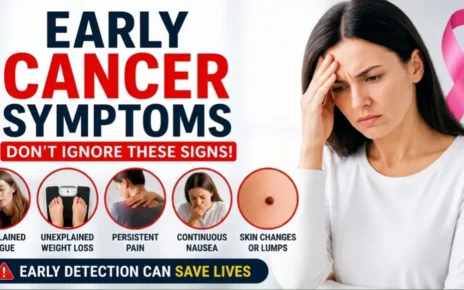
A new lump, changes in breast size or shape, unusual skin dimpling, nipple discharge, persistent pain, or swelling around the breast or underarm should always be discussed with a healthcare professional. These symptoms do not automatically mean cancer, but they deserve proper evaluation.
Regular screening is equally important. Mammograms can detect changes before they become noticeable, giving doctors more treatment options and improving outcomes. The right screening schedule depends on your age, family history, and personal risk factors, so it’s worth discussing with your healthcare provider.
Breast Self-Awareness and Regular Screening
Becoming familiar with the normal look and feel of your breasts is one of the simplest ways to notice changes early. Breast self-awareness doesn’t replace professional screening, but it helps you recognize anything unusual so you can seek medical advice promptly.
Healthcare providers may recommend different screening schedules depending on your age, family history, and personal risk factors. Mammograms remain one of the most effective tools for detecting breast cancer before symptoms become noticeable. Women with a higher risk may require earlier or more frequent screening, so discussing your personal situation with a healthcare professional is always worthwhile.
Regular checkups should never be delayed because you feel healthy. Early detection offers more treatment options and often leads to better outcomes.
Sleep, Stress, and Emotional Well-Being
Looking after your emotional health is just as important as caring for your physical health. Living with constant stress may affect sleep quality, daily energy, and overall well-being, making it harder to maintain healthy habits.
Quality sleep gives your body time to recover, while effective stress management helps support healthier lifestyle choices. Simple practices such as regular walks, spending time outdoors, talking with supportive friends or family, and taking short breaks during busy days can improve both mental and physical health.
If stress has become part of your everyday life, the practical ideas shared in Stress Relief – Simple and Effective Ways to Calm Your Mind and Body may help you develop healthier coping strategies.
Supporting Someone Living With Breast Cancer
A breast cancer diagnosis affects more than one person—it often impacts partners, children, relatives, and close friends as well. Emotional support can be just as valuable as practical help during treatment and recovery.
Sometimes the most meaningful support comes from simply listening without judgment, attending appointments together, helping with everyday tasks, or checking in regularly. Every person’s experience is different, so allowing them to share their feelings at their own pace is often the greatest gift you can offer.
Maintaining your own health also matters when caring for someone else. Eating well, getting enough rest, and protecting your emotional well-being allows you to continue providing support without becoming overwhelmed.
Common Myths About Breast Cancer
There are many myths surrounding breast cancer, and believing them may delay early detection or create unnecessary fear. One common misconception is that only older women develop breast cancer. Although risk increases with age, younger women can also be diagnosed.
Another myth is that breast cancer always causes pain. In reality, early breast cancer often develops without discomfort, which is why routine screening and awareness remain so important.
Some people also believe that having no family history means they cannot develop breast cancer. However, many women diagnosed with breast cancer have no close relatives who previously had the disease. Understanding the facts instead of relying on myths helps people make informed decisions about their health.
Frequently Asked Questions
1. Can breast cancer be prevented completely?
No. There is no guaranteed way to prevent breast cancer, but healthy lifestyle choices and regular screening may help lower risk and improve early detection.
2. What are the early signs of breast cancer?
Common warning signs include a new lump, changes in breast shape or size, nipple discharge, skin dimpling, redness, swelling, or persistent breast pain. Any unusual change should be evaluated by a healthcare professional.
3. How often should women perform breast self-checks?
Many healthcare professionals encourage women to become familiar with the normal look and feel of their breasts through regular self-awareness. Screening recommendations vary by age and individual risk.
4. Does exercise help reduce breast cancer risk?
Regular physical activity supports overall health, helps maintain a healthy weight, and may contribute to lowering the risk of several chronic diseases, including some cancers.
5. Can stress cause breast cancer?
Current evidence does not show that stress directly causes breast cancer. However, long-term stress may affect sleep, eating habits, and other lifestyle factors that influence overall health.
6. Why is early detection so important?
Finding breast cancer at an early stage often provides more treatment options and significantly improves the chances of successful treatment and recovery.