
Your digestive system does much more than process the food on your plate. It helps your body absorb nutrients, supports immune function, influences energy levels, and communicates with the brain in ways that can affect how you feel throughout the day. That makes the foods you choose an important part of long-term wellness.
If your goal is better digestion, you don’t need an extreme diet or a cabinet full of supplements. A more practical approach is to build meals around fiber-rich plants, fermented foods, whole grains, healthy fats, adequate fluids, and a variety of minimally processed ingredients.
The key is variety. Your gut microbiome contains a huge community of microorganisms, and different types of beneficial bacteria thrive on different nutrients. Giving your body a wider selection of wholesome foods can therefore be more useful than relying on one so-called “superfood.”
What Your Gut Needs From Your Diet
A healthy digestive system depends on more than probiotics. Fiber provides fuel for beneficial gut bacteria, fluids help keep digestion moving, and a balanced diet supplies the vitamins and minerals your body needs to function properly.
Fermented foods can add beneficial microorganisms, while plant foods provide different types of fiber and naturally occurring compounds. Together, these foods can help create a more supportive environment for your digestive system.
This is also why healthy eating should be viewed as a pattern rather than a list of individual foods. Our guide to Everyday Healthy Food Choices explains how simple, balanced food decisions can support digestion, energy, and long-term wellness.
1. Yogurt and Other Fermented Foods
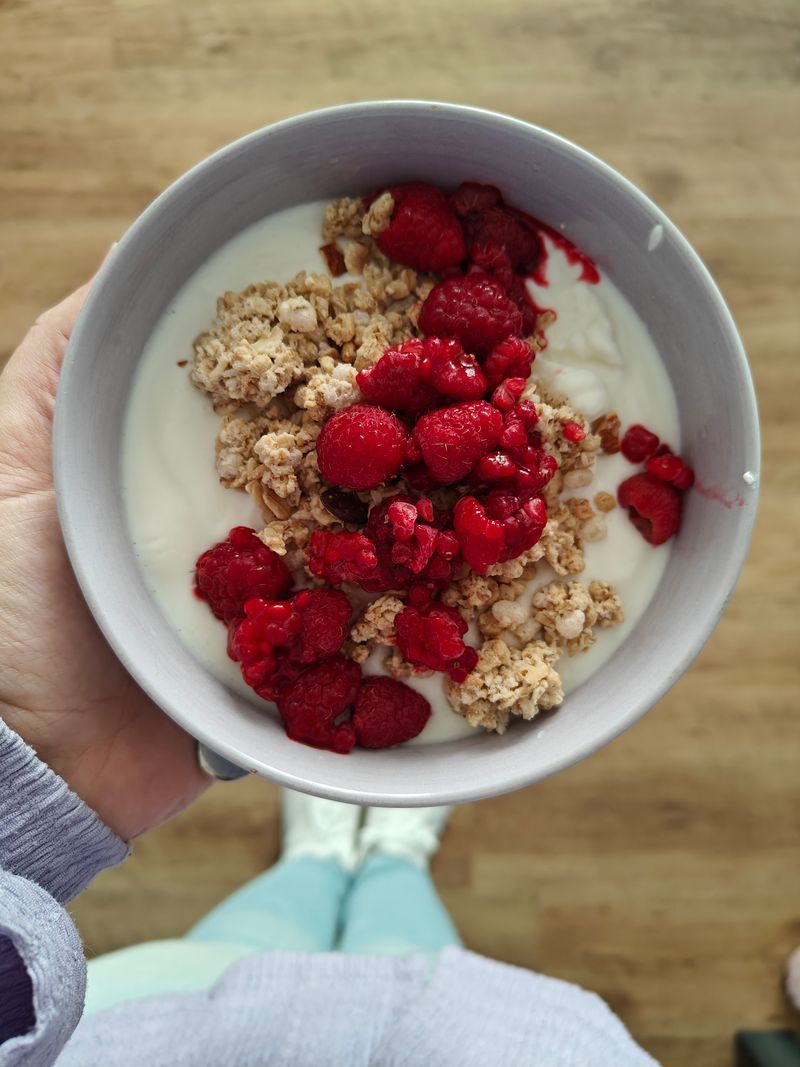
Plain yogurt containing live and active cultures is an easy way to include fermented food in your routine. Depending on the product and your individual tolerance, yogurt may provide beneficial bacteria along with protein and calcium.
Other fermented choices include kefir, sauerkraut, kimchi, and miso. Not every fermented food contains live cultures after processing, so checking the label can help you make a more informed choice.
If you’re new to fermented foods, start with small portions and see how your digestive system responds. There is no need to add several new foods at once.
2. Fiber-Rich Vegetables
Vegetables are among the most useful foods for supporting digestive health because they provide fiber, water, vitamins, minerals, and plant compounds. Broccoli, carrots, Brussels sprouts, leafy greens, and artichokes can all contribute to a varied, fiber-rich eating pattern.
Fiber helps add bulk to stool and supports regular bowel movements. Certain fibers are also fermented by gut bacteria, producing compounds that can support the intestinal environment.
If your current diet is low in fiber, increase it gradually and drink enough fluids. A sudden large increase can cause temporary gas or bloating.
3. Whole Grains for Everyday Gut Support
Oats, brown rice, quinoa, barley, and whole-grain bread provide fiber and other nutrients that refined grains may contain in smaller amounts. Including these foods regularly can make meals more filling while supporting normal digestion.
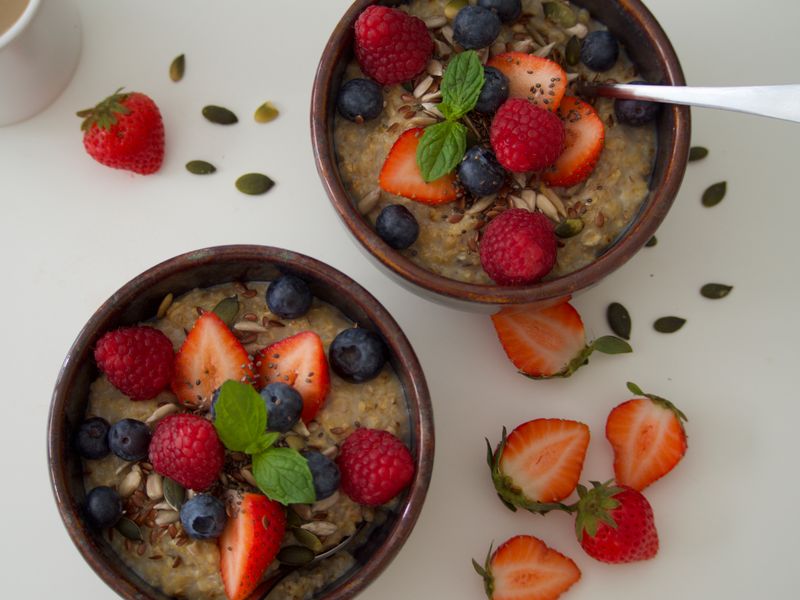
Try replacing refined grains gradually rather than changing everything overnight. For example, oatmeal at breakfast or brown rice with dinner can be simple starting points.
4. Fruits That Bring Fiber and Variety
Apples, berries, bananas, pears, oranges, and kiwifruit can all fit into a gut-friendly eating pattern. Many fruits provide fiber and water along with vitamins and naturally occurring plant compounds.
Eating whole fruit rather than relying mainly on fruit juice also provides the fiber that helps make the meal more satisfying. Different fruits contain different types of fiber, so variety is more useful than focusing on just one.
5. Nuts and Seeds
Almonds, walnuts, chia seeds, and flaxseeds provide fiber, healthy fats, and other nutrients. Adding a small amount to oatmeal, yogurt, salads, or smoothies is an easy way to increase the nutritional variety of a meal.
Portion size still matters because nuts and seeds are energy-dense. A small serving can add plenty of nutrition without overwhelming your meal.
6. Foods That May Help Calm an Inflammatory Eating Pattern
A gut-friendly diet is also about the overall quality of your food choices. Meals built around vegetables, fruits, whole grains, nuts, seeds, legumes, and other minimally processed foods can provide a wide range of nutrients and plant compounds.
Rather than labeling one food as a cure for inflammation, focus on the pattern of your diet. Our guide to Anti-Inflammatory Diet Tips explores practical food choices that can help create a more balanced eating routine.
6. Bone Broth and Other Nourishing Choices
Bone broth is often included in gut-friendly diets because it provides protein and amino acids in an easy-to-digest form. It can be a comforting addition to soups and meals, although it shouldn’t be treated as a cure for digestive problems.
The bigger picture matters more than any single food. A varied diet that includes vegetables, fruits, whole grains, legumes, nuts, seeds, and suitable protein sources provides a broader range of nutrients for your digestive system.
7. Garlic and Onions for Prebiotic Fiber
Garlic and onions contain prebiotic fibers that can be used by beneficial bacteria in the gut. They’re also an easy way to add flavor without relying heavily on highly processed sauces.
Add chopped onions to salads, soups, or cooked meals, and use garlic with vegetables, beans, grains, or lean proteins. If these foods trigger bloating for you, smaller portions or cooked versions may be easier to tolerate.
8. Green Tea as a Better Beverage Choice
What you drink matters too. Green tea provides fluids and contains naturally occurring plant compounds. Replacing some sugary beverages with unsweetened tea can also reduce added sugar in your daily diet.
There’s no need to drink large amounts to support your health. Water should remain a major source of hydration, while unsweetened tea can add variety to your routine.
9. Ginger for Digestive Comfort
Ginger has traditionally been used to support digestion and ease nausea. Fresh ginger can be added to tea, soups, stir-fries, or smoothies for a simple flavor boost.
Think of ginger as one useful ingredient within a balanced eating pattern rather than a quick solution for ongoing digestive symptoms.
10. Water Is Essential for Digestion
Hydration is easy to overlook when you’re focused on food, but fluids are essential for normal digestive function. Drinking enough water helps keep stool softer and supports the movement of food through the digestive tract.
Your needs can vary depending on activity, climate, diet, and individual health. Keeping water nearby throughout the day is a simple way to make hydration easier.
Don’t Focus Only on What You Should Eat
Gut-friendly eating isn’t simply about adding a list of “good” foods. It’s also about noticing how your body responds. A food that works well for one person may cause discomfort for another, particularly when someone has a food intolerance or an existing digestive condition.
Start with small changes rather than completely rebuilding your diet overnight. Add one fiber-rich food, replace one processed snack, or introduce a small serving of fermented food and observe how you feel.
For broader guidance on building nutritious meals, Everyday Healthy Food Choices offers practical ideas for choosing whole foods, planning meals, staying hydrated, and reducing highly processed options.
Foods and Habits Worth Limiting
Some foods don’t need to be completely eliminated, but regularly relying on highly processed meals, sugary drinks, excessive alcohol, and low-fiber foods can make it harder to maintain a balanced eating pattern.
Instead of thinking in terms of strict “good” and “bad” foods, look at what makes up most of your diet. A pattern centered on minimally processed foods gives your body more useful nutrients and fiber.
If you’re interested in the wider connection between food choices and inflammation, our guide to Anti-Inflammatory Diet Tips provides additional practical ideas for building a balanced eating pattern.
Your Gut Benefits From Your Whole Lifestyle
Food is important, but digestion is also influenced by sleep, physical activity, stress, hydration, and daily routines. Regular movement can support normal bowel function, while adequate sleep and stress management can help you maintain healthier habits.
This is why gut health shouldn’t be approached as a short-term food challenge. The most useful strategy is to create a lifestyle that consistently supports your digestive system.
A Simple Gut-Friendly Day
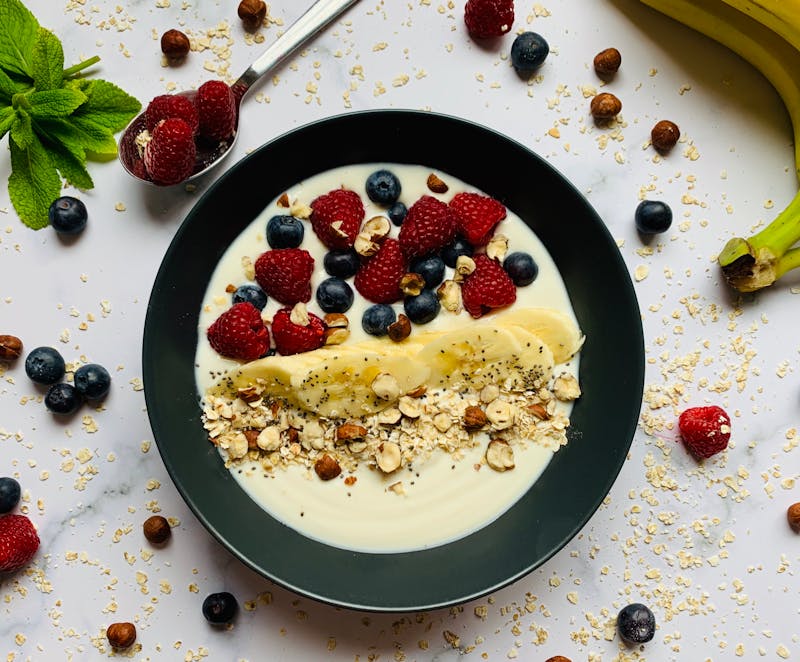
- Breakfast: Oatmeal with berries, yogurt, and a small serving of nuts.
- Lunch: A whole-grain bowl with vegetables, beans, and a source of lean protein.
- Snack: Fruit with plain yogurt or a small handful of almonds.
- Dinner: Cooked vegetables, whole grains, and fish, chicken, tofu, or another protein source.
- Drinks: Water throughout the day, with unsweetened tea if desired.
This isn’t a strict meal plan. It’s simply an example of how different food groups can work together to provide fiber, protein, healthy fats, fluids, and a wider variety of nutrients.
Frequently Asked Questions About Healthy Gut Foods
1. What are the best foods for a healthy gut?
Yogurt with live cultures, fermented foods, vegetables, fruits, whole grains, nuts, seeds, and other fiber-rich foods are good choices for supporting a healthy gut. Variety is more important than relying on one specific food.
2. How does fiber help gut health?
Fiber supports regular bowel movements and provides fuel for beneficial gut bacteria. Increase fiber gradually and drink enough fluids to help your digestive system adjust comfortably.
3. Are probiotics and prebiotics the same thing?
No. Probiotics are beneficial microorganisms found in certain foods and supplements, while prebiotics are types of dietary fiber that beneficial gut bacteria can use as fuel. Both can play a role in a balanced gut environment.
4. Is yogurt good for digestion?
Yogurt containing live and active cultures can be a useful source of beneficial bacteria, protein, and calcium. Choose plain or lower-sugar varieties when possible and pay attention to how your body responds to dairy.
5. Can drinking more water improve digestion?
Staying hydrated supports normal digestive function and can help keep stools softer. Water needs vary between individuals, but drinking regularly throughout the day is a simple healthy habit.
6. What foods should I limit for better gut health?
Try to limit excessive amounts of highly processed foods, sugary drinks, and foods that consistently cause you digestive discomfort. You don’t necessarily need to eliminate every food; the overall quality and variety of your diet matter most.
7. How quickly can diet improve gut health?
There isn’t a fixed timeline because everyone’s digestive system is different. Some people notice changes in digestion within days or weeks after improving their diet, while longer-term changes in the gut microbiome can take more time.
8. Can gut problems be caused by more than food?
Yes. Stress, sleep, physical activity, medications, food intolerances, and certain medical conditions can all influence digestion. Persistent pain, bleeding, unexplained weight loss, or ongoing digestive symptoms should be discussed with a healthcare professional.




Thank you so very much my sweet