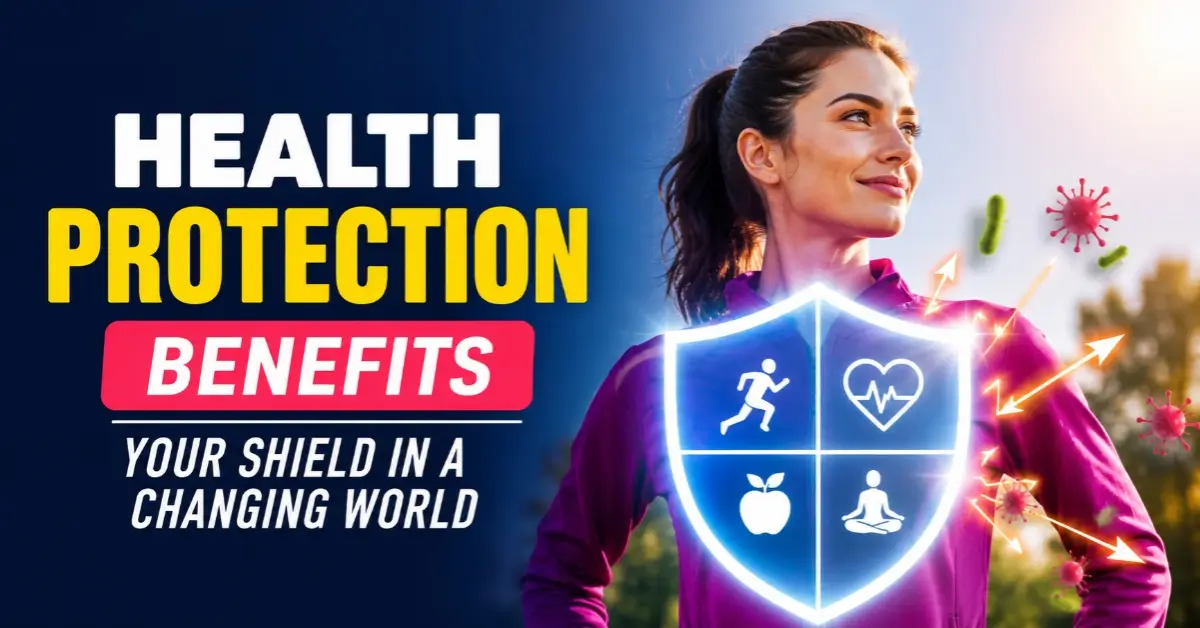
Health protection benefits go far beyond avoiding illness. They help you build a stronger body, protect your mental well-being, reduce the risk of disease, and improve your quality of life for years to come. In today’s world, people face many health challenges every day, including air pollution, infectious diseases, chronic stress, poor nutrition, and sedentary lifestyles. Fortunately, many of these risks can be reduced through practical preventive habits that anyone can follow.
Health protection is not about living in fear. Instead, it’s about making informed choices that strengthen your body’s natural defenses before problems develop. Regular physical activity, balanced nutrition, proper hygiene, quality sleep, vaccination, environmental awareness, and routine health screenings all work together to create a healthier future. Small preventive actions taken consistently often provide greater long-term benefits than waiting until illness appears.
Whether you’re protecting yourself at home, at work, while traveling, or in public spaces, prevention remains one of the smartest investments you can make. Every healthy decision contributes to stronger immunity, greater resilience, and improved physical and emotional well-being.
Why Health Protection Matters More Than Ever
The world continues to change rapidly. Growing urban populations, environmental pollution, climate changes, new infectious diseases, and increasingly stressful lifestyles all place extra pressure on our health. Because of these challenges, health protection has become an essential part of everyday life rather than something we think about only during emergencies.
Preventive healthcare not only reduces the likelihood of illness but also improves productivity, reduces healthcare costs, and helps people enjoy a better quality of life. Families, schools, workplaces, and entire communities benefit when more people practice healthy habits consistently.
Many environmental risks are preventable through awareness and simple lifestyle changes. Our guide on Environmental Hazards and Safety Measures explains how understanding your surroundings can significantly reduce everyday health risks.
Protecting Yourself Starts with Everyday Hygiene
Small Daily Habits Make a Big Difference
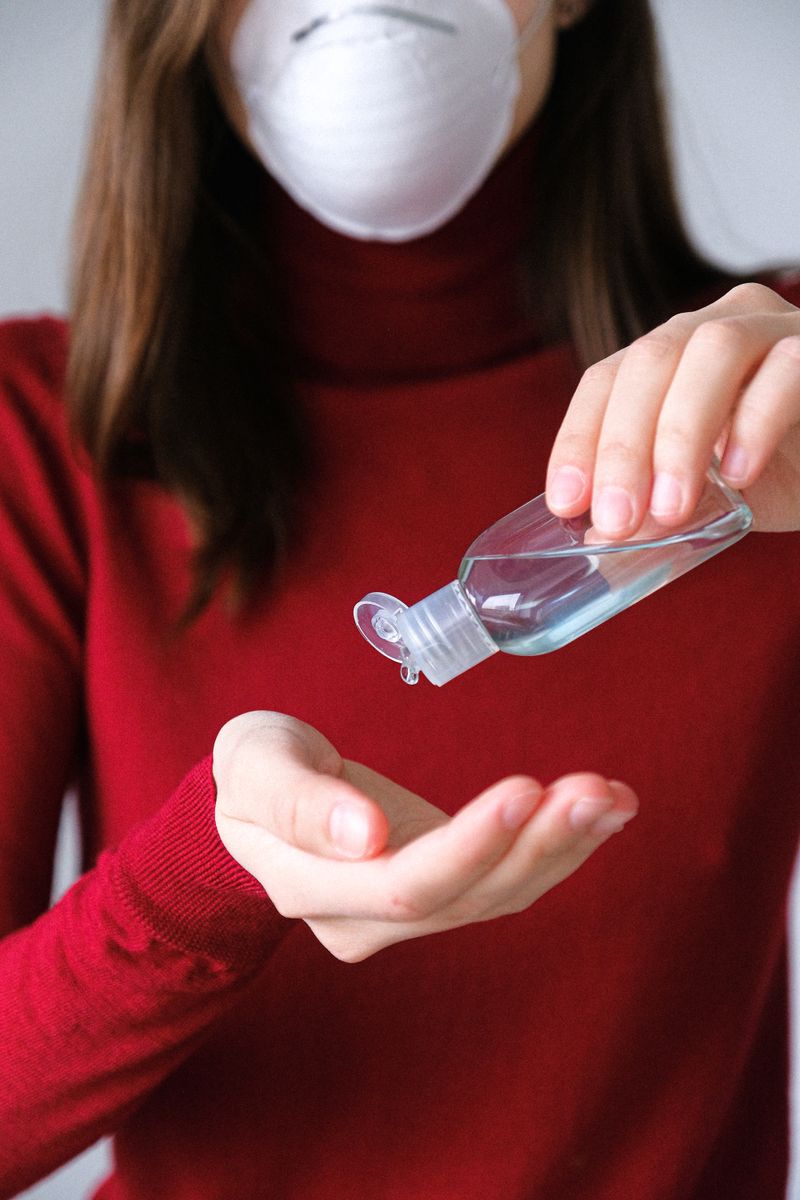
Good hygiene remains one of the most effective forms of health protection. Washing your hands properly, covering coughs and sneezes, cleaning frequently touched surfaces, preparing food safely, and maintaining good personal hygiene all reduce the spread of harmful bacteria and viruses.
These simple habits require very little time but offer enormous long-term benefits. Parents also play an important role by teaching children proper hygiene from an early age, helping create healthy habits that last throughout life.
When Face Masks Provide Extra Protection
Although face masks became widely recognized during the COVID-19 pandemic, they continue to provide protection in many situations. Crowded public transportation, healthcare facilities, airports, and areas with poor air quality are examples where wearing a mask may reduce exposure to airborne particles and respiratory infections.
Masks can also benefit people with allergies or weakened immune systems by reducing exposure to dust, pollen, and environmental pollutants. Understanding when masks are most helpful allows individuals to make informed decisions based on their personal circumstances.
For a detailed explanation of different situations where masks remain beneficial, read The Real Benefits of Wearing Masks.
Physical Activity Builds Your Body’s Natural Defense
Exercise is one of the strongest pillars of health protection. Regular physical activity strengthens the cardiovascular system, improves circulation, supports healthy lungs, builds muscle, maintains bone strength, and helps regulate body weight. Just as importantly, exercise improves immune function and reduces chronic inflammation throughout the body.
You don’t need expensive equipment or long workouts to experience these benefits. Walking, cycling, swimming, stretching, bodyweight exercises, gardening, or dancing all contribute to better health when practiced consistently.
Exercise also supports emotional well-being by reducing stress hormones and increasing endorphins that naturally improve mood. Over time, active people often enjoy better sleep, stronger immunity, improved energy, and lower risk of chronic diseases.
If you’d like practical guidance for building a healthier lifestyle through movement, explore The Power of Fitness for Health Protection, which explains how regular exercise strengthens both body and mind.
Mental Health Is an Essential Part of Health Protection
Protecting your health isn’t limited to avoiding physical illness. Emotional well-being has a direct influence on immune function, heart health, digestion, sleep quality, and overall resilience. Long-term stress increases cortisol levels, which may weaken the immune system and leave the body more vulnerable to illness.
Managing stress doesn’t require complicated techniques. Daily walks, deep breathing, meditation, spending time in nature, limiting unnecessary screen time, journaling, and maintaining supportive relationships all help calm the nervous system. These simple habits improve both mental and physical health while making it easier to cope with everyday challenges.
Our complete guide on How to Avoid Tension and Stay Strong shares practical strategies for reducing daily stress while building long-term emotional resilience.

Nutrition Strengthens Your First Line of Defense
Your immune system depends on the nutrients you provide every day. While no single food can prevent every illness, a balanced diet gives your body the vitamins, minerals, antioxidants, and protein it needs to defend itself against infections and recover more efficiently. Healthy eating also supports energy production, hormone balance, brain function, and heart health.
Build your meals around colorful vegetables, seasonal fruits, whole grains, lean proteins, beans, nuts, seeds, and healthy fats. Foods rich in vitamin C, vitamin D, zinc, iron, and omega-3 fatty acids help support normal immune function. At the same time, reducing sugary drinks, excessive salt, and ultra-processed foods helps lower inflammation and supports long-term wellness.
Healthy nutrition is not about following strict diets. It is about making better food choices consistently. Cooking at home more often, reading food labels, and eating a variety of nutrient-rich foods can make a significant difference over time.

Your Environment Plays a Bigger Role Than You Think
Many people focus on exercise and nutrition but overlook the environment around them. Indoor air quality, workplace safety, household chemicals, noise levels, and poor ventilation can all affect long-term health. Spending most of your day indoors means that the air you breathe inside your home or workplace matters just as much as the air outside.
Opening windows when possible, maintaining clean ventilation systems, reducing mold and dust, avoiding smoking indoors, and using air purifiers where appropriate can all improve indoor air quality. Simple environmental improvements often reduce allergies, headaches, breathing difficulties, and long-term health risks.
To learn how hidden environmental risks affect everyday health, read Indoor Air Pollution Effects: Hidden Dangers Inside Your Home.
Preventing Infection Is Easier Than Treating It
Many infectious diseases spread through simple everyday contact, making prevention one of the most effective forms of health protection. Washing your hands before eating, preparing food safely, avoiding close contact when you’re sick, cleaning frequently touched surfaces, and practicing good respiratory hygiene all help reduce the spread of harmful germs.
Vaccinations, when recommended by healthcare professionals, also play an important role in protecting both individuals and communities. Staying home when you’re unwell protects family members, coworkers, classmates, and vulnerable individuals who may be at greater risk of complications.
Building these habits into your routine requires very little effort but provides long-term benefits for both personal and public health.
For practical everyday prevention strategies, explore Daily Infection Prevention Routine: Simple Habits to Protect Your Health.
Healthy Habits That Protect You Every Day
| Healthy Habit | Health Protection Benefit |
|---|---|
| Wash hands regularly | Reduces the spread of bacteria and viruses. |
| Exercise most days | Strengthens immunity and heart health. |
| Eat balanced meals | Provides nutrients that support normal immune function. |
| Wear a mask when appropriate | Helps reduce exposure to airborne illnesses and pollutants. |
| Improve indoor air quality | Supports healthier lungs and easier breathing. |
| Attend routine health checkups | Helps detect health concerns earlier. |
Frequently Asked Questions
1. What is health protection?
Health protection refers to preventive actions that reduce health risks and help protect physical and mental well-being before illness develops.
2. Why is prevention better than treatment?
Preventive habits often reduce the risk of disease, improve quality of life, lower healthcare costs, and help identify health problems at an earlier stage.
3. Do face masks still provide benefits?
Yes. In crowded places, healthcare settings, or areas with poor air quality, masks may help reduce exposure to airborne particles and respiratory infections.
4. How does exercise improve health protection?
Regular physical activity strengthens the immune system, improves circulation, supports heart health, reduces stress, and lowers the risk of many chronic diseases.
5. Which daily habit offers the greatest protection?
There isn’t one single habit. Combining good hygiene, balanced nutrition, regular exercise, sufficient sleep, stress management, and routine medical care provides the strongest overall protection.
Making Health Protection Part of Everyday Life
Health protection is not a temporary habit—it is a lifelong commitment. Every healthy meal, every walk, every properly washed hand, every preventive checkup, and every informed decision contributes to a stronger future. You don’t need to change everything overnight. Start with one healthy habit, remain consistent, and continue building from there. Over time, these small actions create powerful results that protect not only your own health but also the well-being of your family and community.



Very good