
The benefits of wearing masks extend far beyond pandemic response. Although face masks became widely recognized during COVID-19, they continue to play an important role in protecting people from respiratory infections, air pollution, seasonal illnesses, and airborne particles. For healthcare workers, older adults, cancer patients, people with weakened immune systems, and anyone spending time in crowded environments, wearing the right mask remains a simple yet effective preventive habit.
Modern healthcare focuses on prevention rather than waiting for illness to appear. Wearing a mask is one of several practical steps—along with proper hand hygiene, vaccination, balanced nutrition, quality sleep, and regular exercise—that help reduce health risks. While masks are not required in every situation, understanding when and where they provide the greatest benefit allows people to make informed decisions that protect both themselves and those around them.
- Help reduce exposure to respiratory viruses.
- Filter dust, smoke, and airborne particles.
- Provide extra protection during flu season.
- Support vulnerable people with weakened immunity.
- Reduce the spread of illness in crowded places.

When Wearing a Mask Makes the Biggest Difference
Masks provide the greatest benefit when the risk of airborne illness or poor air quality is higher than usual. Hospitals, public transportation, airports, crowded indoor events, clinics, and flu outbreaks are examples where wearing a well-fitted mask can reduce exposure to infectious droplets.
Masks also become valuable during periods of heavy air pollution, wildfire smoke, construction dust, or seasonal allergies. People with asthma, chronic lung disease, weakened immune systems, or ongoing medical treatments may receive additional protection by wearing masks in these situations.
Instead of wearing a mask out of fear, think of it as another preventive health tool—just like washing your hands or wearing a seatbelt. Understanding risk allows you to choose when extra protection is appropriate.
Building daily preventive habits strengthens long-term wellness. Our guide on Health Protection Benefits explains how simple everyday choices reduce health risks before illness develops.
Air Pollution and Respiratory Protection
| Health Risk | How Masks Help |
|---|---|
| Air Pollution | Reduce inhalation of fine airborne particles in polluted environments. |
| Seasonal Flu | Lower exposure to respiratory droplets in crowded places. |
| Dust & Allergens | Filter pollen, dust, and other common airborne irritants. |
| Healthcare Settings | Provide additional protection for patients, visitors, and medical staff. |
Urban pollution continues to affect millions of people worldwide. Long-term exposure to polluted air may contribute to respiratory irritation, cardiovascular disease, and reduced lung function. Wearing a quality mask during high-pollution days may help reduce exposure, particularly for people who spend long hours outdoors.
If you’d like to learn more about protecting yourself from environmental risks, explore Breathing Easy: Revolutionizing Smart Health with Face Masks, which explains how modern masks support healthier breathing in challenging environments.
Who Benefits Most From Wearing Masks?
People Receiving Cancer Treatment
Cancer treatments may temporarily weaken the immune system, increasing vulnerability to infections. Healthcare providers often recommend extra precautions during treatment, including avoiding unnecessary exposure to illness and wearing masks in crowded or high-risk environments. Masks provide an additional layer of protection while patients continue following the treatment plan recommended by their oncology team.
Older Adults
As people age, the immune system naturally becomes less effective at fighting infections. Wearing a mask during flu season, while traveling, or when visiting healthcare facilities may reduce exposure to respiratory illnesses that could otherwise lead to serious complications.
People Living With Chronic Health Conditions
Individuals with asthma, chronic lung disease, diabetes, heart disease, or weakened immunity may also benefit from wearing masks when respiratory infections are spreading within the community. Combined with vaccination, healthy nutrition, and proper hygiene, masks contribute to a stronger overall prevention strategy.
Preventing infection requires more than a single habit. Our article on Daily Infection Prevention Routine shares practical daily habits that help reduce the spread of germs while supporting long-term health.
Common Mistakes People Make When Wearing Masks
A face mask can only provide effective protection when it is worn correctly. Many people unknowingly reduce its effectiveness by making small mistakes during daily use. Understanding these common errors helps you get the maximum benefit while protecting both yourself and others.
- Leaving the nose uncovered while wearing the mask.
- Touching the front of the mask repeatedly with unwashed hands.
- Reusing disposable masks for too many days.
- Wearing a loose-fitting mask that leaves large gaps around the face.
- Removing the mask in crowded indoor spaces.
- Storing used masks in dirty pockets or bags.
A mask works best when it completely covers both the nose and mouth and fits comfortably against the sides of the face. Replacing damaged masks and keeping reusable masks clean are simple habits that improve protection.
Choosing the Right Mask for Different Situations
Not every situation requires the same type of mask. Selecting the appropriate mask depends on where you are, your health condition, and the level of exposure you may face.
| Situation | Recommended Mask |
|---|---|
| Hospitals and medical clinics | N95 or equivalent respirator when recommended. |
| Public transportation | Well-fitted surgical or high-quality disposable mask. |
| High air pollution | Particle-filtering mask designed for air quality protection. |
| Everyday shopping during flu season | Comfortable surgical or reusable multi-layer mask. |
| Outdoor walking with good air quality | Usually unnecessary unless recommended or personally preferred. |
Masks Are Only One Part of Staying Healthy
Although masks provide valuable protection, they should never be viewed as the only defense against illness. The healthiest lifestyle combines multiple preventive habits that work together. Regular exercise strengthens the immune system, nutritious food provides essential vitamins and minerals, good sleep supports recovery, and proper hygiene reduces exposure to harmful germs.
Daily movement also improves lung function, cardiovascular health, and overall fitness. Walking, cycling, swimming, and strength exercises help your body stay resilient throughout the year. Our article on Best Exercises for Weight Loss explains how regular physical activity supports overall health while reducing many long-term health risks.
Healthy routines are equally important. Washing your hands, eating balanced meals, staying hydrated, sleeping well, and managing stress all contribute to stronger immunity. If you’re building healthier daily habits, our guide on How to Build a Daily Routine That Supports Your Health Goals offers practical ideas that fit into everyday life.
Expert Tips for Getting the Most From Your Mask
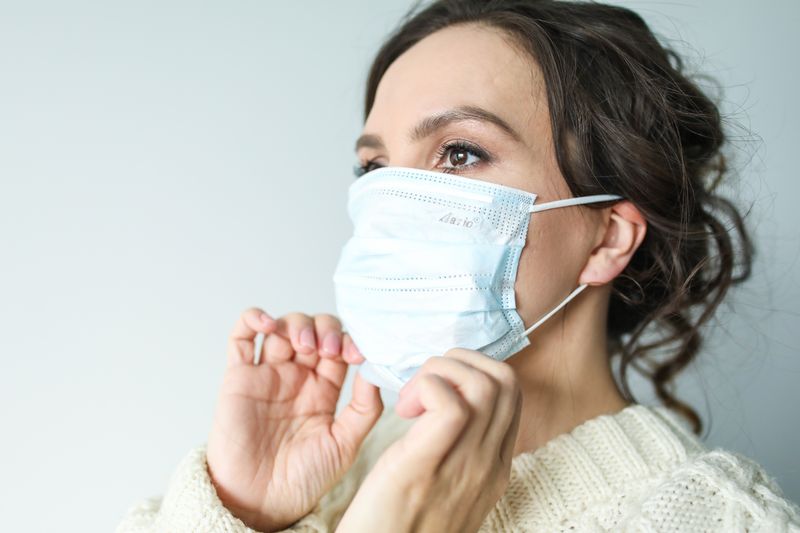
- ✔ Choose a mask that fits comfortably without gaps.
- ✔ Wash reusable masks after each day of use.
- ✔ Replace disposable masks when they become damp or damaged.
- ✔ Carry a spare mask while traveling.
- ✔ Wash your hands before putting on or removing a mask.
- ✔ Continue practicing good hygiene even while wearing a mask.
Frequently Asked Questions
1. Do masks still help during flu season?
Yes. Wearing a properly fitted mask in crowded indoor environments may reduce exposure to seasonal respiratory viruses and help protect vulnerable individuals.
2. Can masks protect against air pollution?
Some high-quality masks can help reduce exposure to airborne particles, dust, and smoke. The level of protection depends on the type of mask and how well it fits.
3. Should healthy people wear masks?
Healthy individuals may choose to wear masks in crowded places, healthcare settings, or during periods of poor air quality or increased respiratory illness within the community.
A Small Habit That Makes a Lasting Difference
The benefits of wearing masks extend beyond preventing illness. They represent a simple, affordable, and practical way to reduce health risks in situations where extra protection is helpful. Combined with healthy eating, regular exercise, proper hygiene, quality sleep, and preventive healthcare, masks become part of a complete strategy for protecting yourself and those around you. Small everyday decisions often create the biggest long-term impact, making simple preventive habits one of the smartest investments in lifelong health.


I am from Pakistan
Oman