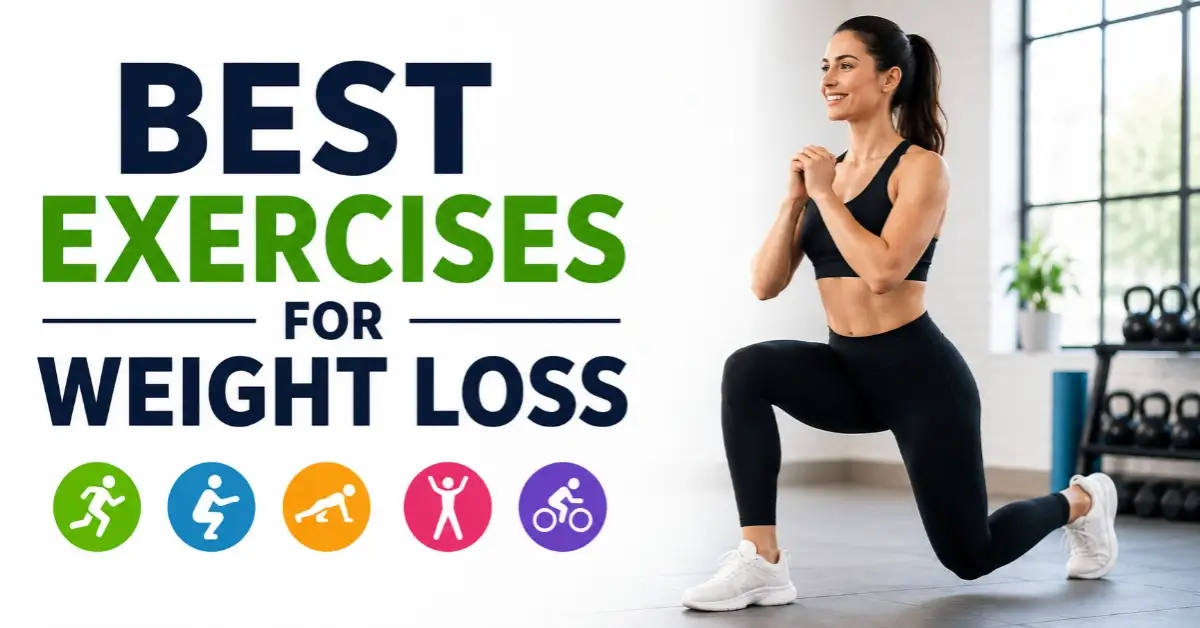
Why the Best Exercises for Weight Loss Really Matter
Weight loss is one of the most common goals for people in the US, UK, Canada, and Australia. While diet plays a big role, exercise is the main factor that shapes both body and mind. The best exercises for weight loss not only help burn calories but also improve heart health, build stamina, and release stress. When you move your body regularly, metabolism becomes stronger and fat loss happens naturally. Weight loss is not only about looking good—it is about feeling confident, being able to move freely, and protecting yourself from diseases. Studies show that people who combine exercise with good nutrition are more successful in losing weight compared to those who focus only on diet. If you want a complete lifestyle approach, read this Balanced Diet Plan article that explains how nutrition and exercise go hand in hand for real results.
The truth is that there is no single “perfect” workout for everyone. The best exercises for weight loss depend on your fitness level, age, body type, and goals. Some people respond well to cardio workouts, while others lose more fat with strength training. The key is to stay consistent and choose exercises that you enjoy. When you enjoy your workouts, you are more likely to continue them for months and years. Weight loss is a journey, not a quick fix. Building healthy exercise habits is the foundation for long-term change. By learning which exercises work best for your body, you can achieve both physical fitness and emotional wellbeing.
Cardio Workouts: The Core of the Best Exercises for Weight Loss
Cardio workouts are among the most effective ways to burn calories quickly. Running, cycling, swimming, and brisk walking are some of the most popular options. These exercises raise the heart rate and help the body use fat as fuel. For example, running just 30 minutes can burn up to 300 calories depending on intensity. Swimming is excellent for those who want a full-body workout without putting stress on the joints. Cycling, whether outdoors or on a stationary bike, is another great option to burn fat and strengthen the legs. Cardio exercises also release endorphins, which are natural mood boosters that reduce stress and anxiety.
For beginners, brisk walking can be a safe and effective way to start. As fitness improves, you can add intervals of jogging or cycling at a higher speed. High-Intensity Interval Training (HIIT) is also a great cardio option. In HIIT, you alternate between short bursts of intense exercise and slower recovery periods. This method burns more fat in less time and keeps metabolism high even after the workout is over. Cardio workouts are flexible and can be done at home, in a park, or at the gym. They are considered the backbone of the best exercises for weight loss because they are simple, accessible, and highly effective.
Strength Training: The Secret Behind the Best Exercises for Weight Loss
While cardio burns calories, strength training is essential for building muscle. More muscle means a faster metabolism, which leads to more fat burned even while resting. Lifting weights, using resistance bands, or doing bodyweight exercises like push-ups, squats, and planks are all powerful for weight loss. Many people ignore strength training when trying to lose fat, but it is one of the most important parts of the process. A stronger body not only looks toned but also prevents injuries and improves posture. When combined with cardio, strength training doubles the results of fat loss.
Another benefit of strength training is that it changes body composition. You may not always see a huge change on the scale, but fat percentage drops while muscle mass increases. This makes you look fitter and feel stronger. Bodyweight exercises are especially helpful for beginners because they do not require any equipment. Simple movements like lunges, planks, or push-ups can be done anywhere. Strength training is not only physical—it also builds confidence and discipline. It shows you that progress is possible with regular effort. To exercise safely, it is smart to learn how to avoid injuries. For this, check the Basic First Aid Kit Guide, which explains how to prepare for small accidents or strains during workouts.
Home Workouts: Accessible and Part of the Best Exercises for Weight Loss
Not everyone has the time or budget for a gym, and that is where home workouts shine. Home workouts are convenient, affordable, and effective when done consistently. Yoga, Pilates, HIIT, and bodyweight circuits are some of the most popular options. Yoga helps with flexibility, balance, and mental peace while still burning calories. Pilates strengthens the core and improves body alignment. HIIT at home is one of the fastest ways to burn fat without equipment. You can design a 20-minute circuit with burpees, mountain climbers, jumping jacks, and squats to achieve great results.
The beauty of home workouts is that they can be adapted to your fitness level. Beginners can start with simple bodyweight exercises, while advanced individuals can add resistance bands or dumbbells. Online fitness platforms and mobile apps provide guided workouts, making it easier to stay on track. Stress also plays a big role in weight loss. If stress is not managed, fat loss slows down. That is why coping strategies matter. For more details, read Coping with Stress, which offers techniques to balance mental health with physical goals. Home workouts give you flexibility and remove excuses, making them one of the best exercises for weight loss in a busy lifestyle.
Lifestyle Choices That Support the Best Exercises for Weight Loss
Exercise alone cannot guarantee weight loss unless supported by healthy lifestyle habits. Balanced nutrition, stress control, and proper sleep are critical. Eating nutritious meals that include lean protein, whole grains, vegetables, and healthy fats fuel the body and improve performance. Junk food and sugary drinks slow down fat loss and add unnecessary calories. Sleep is another crucial factor that people ignore. Poor sleep increases hunger hormones and decreases energy, making workouts harder. A minimum of 7–8 hours of sleep per night helps the body recover and lose weight efficiently. To understand this better, read Healthy Sleep Habits, which highlights the link between rest and fat loss.
Consistency is the key. Even the best exercises for weight loss will not work if done only once in a while. Making exercise a daily habit ensures lasting results. Staying hydrated, managing stress, and keeping a positive mindset are equally important. Setting realistic goals and tracking progress can keep motivation high. For those looking to combine effective workouts with practical eating strategies, our guide on Healthy Diet for Weight Loss explains how balanced meals, portion control, and smart food choices support fat loss while maintaining energy levels. When healthy eating and regular exercise work together, achieving sustainable weight loss becomes much easier. Lifestyle choices are not short-term—they define your long-term health and shape how effective your exercise routine will be.
Creating a Sustainable Weight Loss Exercise Plan
Many people start exercising with excitement but lose motivation after a few weeks. The problem is often unrealistic expectations. Sustainable weight loss happens when exercise becomes a regular part of your lifestyle rather than a temporary challenge. Instead of focusing only on the number on the scale, pay attention to improvements in strength, endurance, energy levels, and confidence. These changes often appear before significant weight loss and help maintain motivation during the journey.
The best exercises for weight loss are the ones you can perform consistently. A beginner might start with walking and basic bodyweight movements, while someone more experienced may include running, cycling, or strength training. There is no need to copy someone else’s routine. The most effective plan is one that matches your fitness level and daily schedule. Consistency always beats intensity when it comes to long-term results.
Combining Different Exercises for Faster Results
One of the biggest mistakes people make is relying on only one type of exercise. Cardio is excellent for burning calories, but strength training helps preserve muscle mass and increase metabolism. Flexibility exercises improve recovery and reduce injury risk. Combining all three creates a balanced approach that delivers better results than focusing on only one area.
For example, a weekly routine could include three cardio sessions, two strength-training workouts, and one flexibility or recovery day. This combination allows the body to burn calories efficiently while building strength and preventing burnout. Variety also keeps workouts interesting, making it easier to stay committed over time.
In addition, different exercises challenge the body in different ways. Walking improves endurance, strength training builds muscle, and stretching improves mobility. Together, these activities create a stronger and healthier body that supports long-term weight management.
Common Weight Loss Exercise Mistakes
Many people work hard but fail to see results because of common mistakes. One mistake is exercising too much without proper recovery. The body needs time to repair muscles and restore energy. Overtraining often leads to fatigue, reduced performance, and increased injury risk.
Another mistake is focusing only on calorie burning. While burning calories is important, improving overall fitness and health should also be a priority. Strength, flexibility, balance, and cardiovascular fitness all contribute to long-term success.
Some individuals also compare their progress to others. Every person loses weight at a different rate depending on age, genetics, lifestyle, and starting fitness level. Comparing yourself to others often creates frustration. Instead, focus on your own improvements and celebrate small victories along the way.
Why Patience Is Essential for Weight Loss Success
The best exercises for weight loss produce results gradually. Quick fixes and extreme workout plans rarely create lasting success. Healthy weight loss is usually slow and steady. Losing one to two pounds per week is considered safe and sustainable for most people.
Patience allows healthy habits to become permanent. Each workout strengthens the body, improves fitness, and builds discipline. Even when the scale does not move immediately, positive changes are taking place inside the body. Better circulation, stronger muscles, improved heart health, and increased energy are all signs of progress.
Remember that weight loss is not just about reaching a goal weight. It is about creating a healthier lifestyle that can be maintained for years. By staying active, eating well, sleeping properly, and remaining consistent, you can achieve lasting results and enjoy all the benefits of a stronger, healthier body.
Frequently Asked Questions (FAQ)
What are the best exercises for weight loss at home?
HIIT, yoga, Pilates, and bodyweight circuits are excellent for weight loss at home. They require little or no equipment and can be adjusted for beginners or advanced levels.
How often should I do the best exercises for weight loss?
Aim for at least 150 minutes of moderate exercise per week, or 30 minutes per day for 5 days. For faster results, include both cardio and strength training sessions.
Do I need to combine diet with the best exercises for weight loss?
Yes. Exercise helps burn calories, but without a balanced diet, weight loss is slow. A combination of exercise and nutrition gives the best results. See the Balanced Diet Plan for more details.
Can stress stop the effects of weight loss exercises?
Yes. Chronic stress raises cortisol, which slows down fat burning and increases fat storage. Managing stress through relaxation or therapy improves weight loss results.
Which cardio is the most effective for fat loss?
Running and swimming are highly effective cardio workouts for fat loss. Cycling and brisk walking are also great options for beginners. HIIT cardio gives faster results in less time.
How important is sleep when doing the best exercises for weight loss?
Sleep is essential. Poor sleep increases hunger, decreases energy, and slows recovery. At least 7–8 hours of good sleep every night helps maximize fat loss and exercise performance.