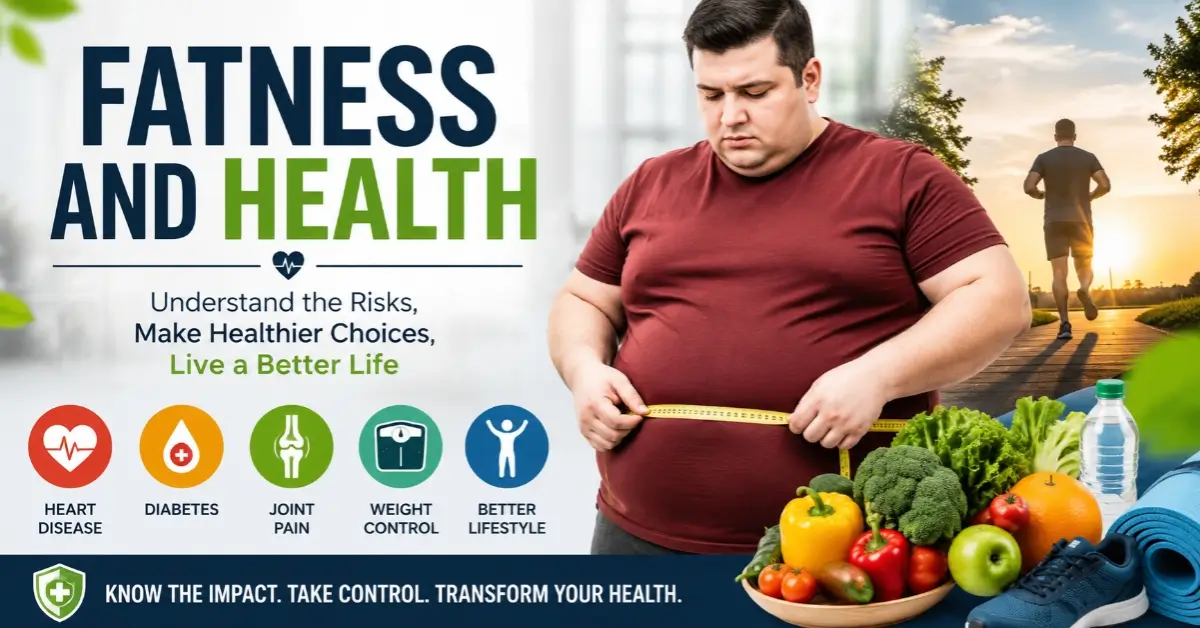
Fatness and health are often discussed together, but the relationship between the two is far more complex than many people realize. Society frequently assumes that every person with a larger body is unhealthy, while every slim person is automatically fit. In reality, health cannot be judged simply by appearance. A person’s eating habits, physical activity, sleep quality, mental well-being, medical history, and lifestyle all play a major role in determining overall health.
Body weight is only one piece of a much larger picture. Some people with obesity develop high blood pressure, type 2 diabetes, or heart disease, while others maintain normal blood pressure, healthy cholesterol levels, and remain physically active for many years. Likewise, many people who appear thin may have poor nutrition, low muscle mass, or hidden health conditions that increase their long-term risks.
Understanding this balanced perspective allows people to focus on improving health instead of chasing unrealistic body ideals. The goal should never be to achieve a perfect number on the scale. Instead, the goal is building a stronger body, better fitness, improved mental well-being, and healthier daily habits that can be maintained for life.
Why Body Weight Doesn’t Tell the Whole Story
Health Is Influenced by Many Different Factors
Doctors no longer rely only on body weight when evaluating someone’s health. During routine medical examinations they also consider blood pressure, cholesterol levels, blood sugar, waist circumference, physical activity, sleep quality, family history, and emotional well-being. Looking at these factors together provides a much more accurate picture of a person’s overall health.
Someone who exercises regularly, eats balanced meals, sleeps well, and has healthy medical test results may enjoy better overall health than someone who weighs less but lives a sedentary lifestyle with poor eating habits.
Fitness Often Matters More Than Appearance
Regular movement improves heart health, strengthens muscles and bones, supports healthy joints, boosts mood, and reduces the risk of many chronic diseases. Walking, cycling, swimming, resistance training, and flexibility exercises all improve physical fitness regardless of body size.
If you’re looking for practical ways to become stronger without extreme workouts, our guide on Best Exercises for Weight Loss explains how consistent physical activity improves both fitness and long-term health.

Myths and Facts About Fatness
| Common Myth | Reality |
|---|---|
| Every overweight person is unhealthy. | Health depends on many factors including activity level, nutrition, sleep, and medical markers. |
| Thin people are always healthy. | People with a healthy-looking weight can still develop diabetes, heart disease, or nutritional deficiencies. |
| Weight loss should happen quickly. | Gradual lifestyle improvements are usually safer and more sustainable. |
| Exercise is only for losing weight. | Exercise strengthens the heart, muscles, bones, and mental health regardless of body weight. |
Healthy Habits Have a Greater Impact Than the Scale
Rather than focusing only on body weight, healthcare professionals increasingly encourage people to build healthy routines they can maintain throughout life. Balanced nutrition, regular exercise, quality sleep, proper hydration, stress management, and preventive healthcare often improve overall well-being far more than crash diets or unrealistic fitness challenges.
Healthy eating doesn’t require giving up every favorite food. Instead, it means choosing nutritious meals more often than unhealthy ones. Whole grains, vegetables, fruits, lean proteins, healthy fats, beans, nuts, and seeds provide nutrients that support both physical and mental health. Small improvements repeated consistently usually produce better long-term results than extreme dieting.
For women looking to build healthier routines that support both confidence and physical wellness, our guide on Smart Health Tips for Women offers realistic daily habits that fit busy lifestyles.
Exercise becomes even more effective when combined with healthy eating. Activities such as walking, swimming, cycling, resistance training, yoga, and stretching improve cardiovascular health, strengthen muscles, support mobility, and reduce stress. These benefits occur whether weight changes quickly or not, making physical fitness one of the most valuable investments in lifelong health.
When Does Extra Body Weight Become a Health Concern?
Although body weight alone does not define health, carrying excessive body fat can increase the risk of certain medical conditions. The location of body fat also matters. Fat stored around the abdomen is generally linked to a higher risk of heart disease, type 2 diabetes, high blood pressure, sleep apnea, and fatty liver disease. This is why healthcare providers often measure waist circumference in addition to weight.
However, these risks should never be used to shame or judge someone. Instead, they should encourage healthier lifestyle choices. Every person’s body is different, and health plans should always be personalized. Age, genetics, hormones, medications, and existing medical conditions all influence body weight. Comparing yourself with others rarely helps. Focus instead on improving your own health one step at a time.
If your weight is affecting your daily activities, causing breathing difficulties, joint pain, poor sleep, or abnormal blood test results, it’s a good idea to speak with a healthcare professional. Early guidance often prevents more serious problems in the future.
Managing Weight Without Extreme Diets
Many people spend years jumping from one diet to another, only to regain the weight later. This cycle often creates frustration and can even harm physical and mental health. Sustainable weight management comes from building habits that you can continue for years rather than weeks.
Instead of eliminating entire food groups, aim to improve meal quality gradually. Fill half your plate with vegetables, include lean protein at every meal, choose whole grains more often than refined carbohydrates, and replace sugary drinks with water whenever possible. These small adjustments are easier to maintain and often produce better long-term results.
Physical activity is equally important. Exercise should never be viewed as punishment for eating. Instead, choose activities you genuinely enjoy. Walking with friends, swimming, dancing, cycling, hiking, strength training, or playing sports all help improve overall fitness while supporting healthy weight management.
For additional guidance on building healthier exercise habits, explore our article on Fitness for Women, which explains how consistent movement improves strength, confidence, and overall wellness regardless of your starting point.

Healthy Lifestyle Changes That Actually Work
The healthiest people usually don’t rely on quick fixes. Instead, they build routines that become part of everyday life. These habits improve far more than body weight—they support heart health, stronger muscles, better sleep, improved digestion, emotional resilience, and higher energy levels.
- Eat regular balanced meals instead of skipping meals.
- Choose water instead of sugary beverages whenever possible.
- Walk for at least 30 minutes most days of the week.
- Include strength exercises two or three times each week.
- Sleep between seven and nine hours every night.
- Reduce stress through relaxation techniques and enjoyable hobbies.
- Attend regular medical checkups even when you feel healthy.
- Celebrate progress instead of aiming for perfection.
One overlooked factor is preventive healthcare. Protecting your health before illness develops is often easier than treating disease later. Our guide on Health Protection Benefits explains how everyday preventive habits strengthen both physical and mental well-being.
Building Confidence at Every Size
Confidence should never depend entirely on body weight. People who respect their bodies are often more likely to care for them through healthy eating, regular movement, sufficient sleep, and preventive healthcare. Self-respect creates motivation that lasts much longer than guilt or shame.
Social media often presents unrealistic body standards that are impossible for most people to achieve. Comparing yourself with edited photos or unrealistic expectations can damage self-esteem and create unnecessary stress. Instead, focus on becoming healthier than you were yesterday rather than trying to look like someone else.
Modern healthcare increasingly recognizes that emotional well-being, physical fitness, nutrition, sleep, and lifestyle all contribute to overall health. This balanced approach helps people create healthier relationships with food, exercise, and their own bodies.
You can also learn how healthier lifestyles continue to evolve in our article on Future of Health, which explores how modern wellness focuses on prevention instead of perfection.

Frequently Asked Questions
1. Can someone be overweight and still be healthy?
Yes. Some people with higher body weight maintain healthy blood pressure, cholesterol, blood sugar, and active lifestyles. Health depends on many factors, not weight alone.
2. Is BMI enough to measure health?
No. BMI is only one screening tool. Doctors also consider waist circumference, medical history, physical activity, blood tests, blood pressure, and overall lifestyle.
3. Should everyone try to lose weight?
Not necessarily. The goal should be improving overall health. Some people benefit more from becoming stronger, more active, and eating healthier even if weight changes slowly.
4. What is the healthiest way to manage body weight?
Healthy weight management comes from balanced nutrition, regular exercise, quality sleep, stress management, and consistent healthy habits instead of crash diets.
Looking Beyond the Scale
Fatness and health should never be reduced to a single number. True wellness includes physical fitness, mental well-being, nutritious eating, quality sleep, preventive healthcare, and positive daily habits. Whether your goal is losing weight, improving fitness, or simply feeling healthier, focus on building a lifestyle that supports long-term success rather than temporary results. Small improvements repeated every day create lasting change, helping you build a stronger, healthier, and more confident future regardless of where your journey begins.



Wonderful.
Mu name is Md Kamruzzaman
Government holder Bangladesh judicial service low Ministri
My country Bangladesh
Mu choice USA . Life partner USA choice
My favourite currenti USA . Final fantasy USA life partner my favourite yourup gril my choice
Pakistan.i.m.singal..and.my…whatsapp.naber.03145309328
Friendship karogi
hy am single please make my friend
Bonsoir
I. Am ampresd
I am joining