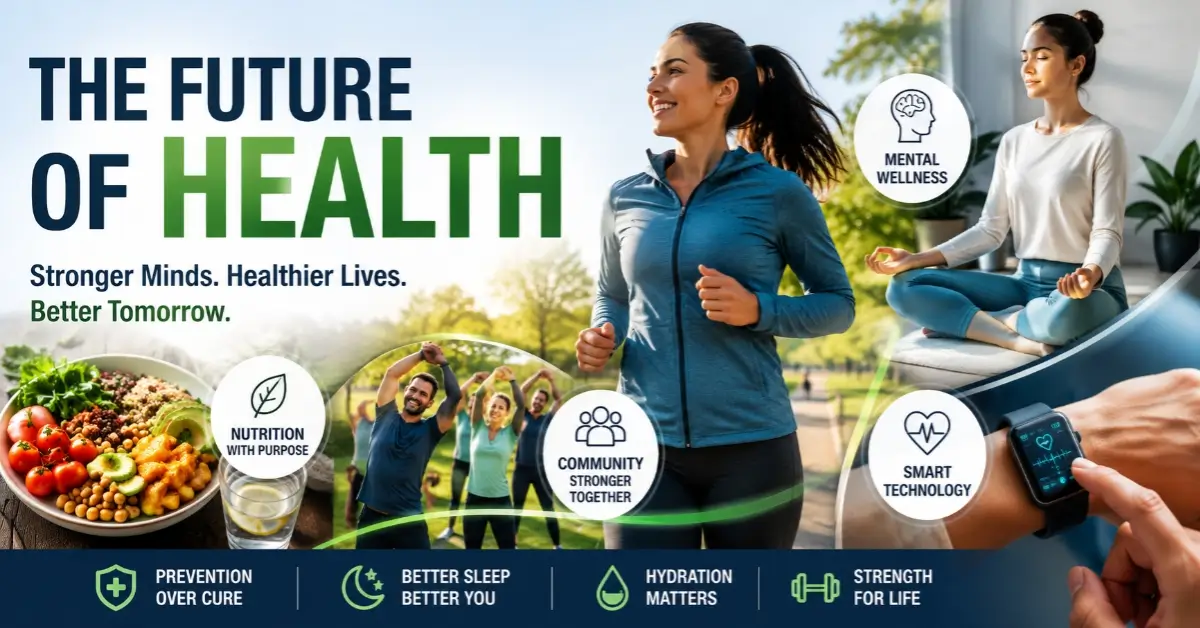
The future of health is no longer just about treating illness after it appears. Around the world, healthcare is shifting toward prevention, healthier lifestyles, personalized care, and technology that helps people stay well instead of simply recovering from disease. People are becoming more aware that long-term wellness depends on everyday habits such as eating nutritious food, staying physically active, getting enough sleep, managing stress, and keeping regular medical checkups. At the same time, advances in digital health are making it easier than ever to understand and improve personal well-being.
Healthcare professionals, researchers, governments, and communities now share a common goal: helping people live longer while enjoying a better quality of life. Rather than relying entirely on medication after health problems develop, many healthcare systems encourage prevention through education, healthy environments, and early screening. This modern approach empowers individuals to take greater control of their own health.
The future of health isn’t driven by technology alone. It combines scientific innovation with practical lifestyle habits that almost anyone can follow. This balance between modern medicine and healthy living is creating a new model of wellness that benefits people of every age.
Prevention Is Becoming More Important Than Treatment
One of the biggest changes happening today is the growing emphasis on preventing disease before it develops. Heart disease, diabetes, obesity, and many other chronic conditions are strongly influenced by everyday lifestyle choices. Because of this, healthcare experts increasingly recommend healthy eating, regular exercise, stress reduction, quality sleep, and routine health screenings as essential parts of long-term wellness.
Many employers now offer workplace wellness programs, while schools and communities encourage healthier eating and more physical activity. These preventive efforts not only reduce healthcare costs but also improve energy, productivity, and overall quality of life.
Many of these changes are already becoming visible across the country. Our guide on Health Trends in America explains how healthier daily habits are becoming a central part of modern wellness.
Technology Is Making Healthcare More Personal
Smart Devices Support Everyday Wellness
Technology has transformed the way people monitor their health. Smartwatches, fitness trackers, blood pressure monitors, sleep trackers, and mobile health applications allow individuals to understand their bodies better than ever before. Instead of waiting until something feels wrong, many people can now identify patterns that help them make healthier decisions earlier.
These devices monitor steps, heart rate, physical activity, sleep quality, calories burned, hydration reminders, and other useful information. While they cannot replace professional medical advice, they help people stay accountable and motivated.
Artificial Intelligence Is Supporting Better Healthcare
Artificial intelligence is becoming an important tool for healthcare professionals. AI can assist doctors by analyzing medical images, identifying disease patterns, organizing patient information, and supporting faster diagnoses. Researchers are also using AI to study enormous amounts of health data that would take humans much longer to process.
Importantly, technology works best when combined with experienced healthcare professionals. AI provides valuable support, but compassionate communication, clinical judgment, and personalized care remain essential parts of medicine.
Lifestyle Medicine Is Shaping the Future
Perhaps the most exciting development in healthcare is the growing recognition that everyday habits have extraordinary power. Lifestyle medicine focuses on improving health through evidence-based behaviors rather than depending solely on medications whenever possible.
Regular walking, strength training, nutritious meals, quality sleep, stress management, and maintaining a healthy weight all contribute to lowering the risk of chronic disease. These habits improve physical health while also supporting emotional well-being.
Many communities are making these healthy choices easier by expanding parks, improving walking paths, building cycling lanes, and promoting outdoor activities. This reflects a broader movement toward healthier environments that naturally encourage active lifestyles.
One example of this broader movement is discussed in Global Health Reset, which explores how simple lifestyle improvements are helping people build healthier futures without relying on extreme approaches.
Sleep and Mental Wellness Are Finally Receiving the Attention They Deserve
For many years, sleep and mental health were overlooked despite their enormous influence on overall wellness. Today, both are recognized as essential pillars of long-term health. Poor sleep affects immunity, memory, concentration, metabolism, and emotional resilience, while chronic stress contributes to numerous physical and mental health problems.
People are increasingly creating healthier evening routines, reducing unnecessary screen time, practicing mindfulness, spending more time outdoors, and learning effective ways to manage daily stress. These simple habits help improve both physical recovery and emotional balance.
If you’d like practical strategies for building these habits, Improve Sleep Quality Naturally and Stress Relief – Simple and Effective Ways to Calm Your Mind and Body provide realistic guidance that supports long-term health.
Building a Healthier Future Requires Everyone
The future of health is not shaped by doctors and hospitals alone. Governments, schools, businesses, workplaces, families, and local communities all play an important role. Creating safe parks, improving access to nutritious food, supporting physical education, and encouraging mental wellness are examples of how communities can improve public health.
Employers are also investing in healthier workplaces by offering wellness programs, flexible schedules, standing desks, mental health support, and opportunities for physical activity. Schools are teaching children about healthy eating, exercise, emotional well-being, and digital safety from an early age. These changes create healthier habits that often continue into adulthood.
Healthcare systems are also becoming more connected. Instead of treating each illness separately, many providers now focus on the whole person, considering physical health, emotional well-being, nutrition, sleep, movement, and social support together.
Women’s Health Is Becoming a Greater Priority
One of the most encouraging developments is the increasing focus on women’s health. Healthcare professionals now recognize that women have unique health needs during different stages of life. Greater awareness is helping women receive better education, earlier screenings, improved preventive care, and personalized treatment options.
Regular exercise, balanced nutrition, healthy sleep habits, and preventive healthcare all contribute to lifelong wellness. Strength training, flexibility exercises, walking, and other forms of physical activity help maintain healthy bones, muscles, and cardiovascular health while supporting emotional well-being.
For practical ideas that encourage long-term fitness and confidence, Fitness for Women provides realistic guidance that fits different lifestyles and fitness levels.
Protecting Health Before Problems Begin
Another important shift is the growing emphasis on protecting health before illness develops. Preventive healthcare includes vaccinations, regular medical checkups, blood pressure monitoring, cancer screenings, healthy eating, physical activity, and avoiding tobacco products. These simple actions often reduce the likelihood of serious health conditions later in life.
People are also learning that healthy habits work together. Nutritious meals provide energy for exercise. Exercise improves sleep. Better sleep supports mental health. Lower stress strengthens immunity. Rather than relying on one solution, lasting wellness comes from combining many small healthy choices.
Our guide on Health Protection Benefits explains how prevention and healthy daily routines work together to build long-term resilience.
Traditional Healthcare vs The Future of Health
| Traditional Approach | Future of Health |
|---|---|
| Treat illness after symptoms appear | Prevent illness before it develops |
| Occasional medical visits | Continuous health monitoring |
| One treatment for everyone | Personalized healthcare plans |
| Limited use of technology | Digital health tools and AI support |
| Focus on disease | Focus on lifelong wellness |
| Reactive healthcare | Preventive and proactive healthcare |
Frequently Asked Questions
1. What does the future of health mean?
It refers to a healthcare approach that combines medical innovation, preventive care, healthy lifestyles, and personalized treatment to improve long-term well-being.
2. Will artificial intelligence replace doctors?
No. AI is designed to support healthcare professionals by improving efficiency and assisting with diagnosis, but human expertise, experience, and compassionate care remain essential.
3. Why is preventive healthcare becoming more important?
Preventive care helps reduce the risk of chronic diseases, improves quality of life, and allows health problems to be identified earlier when treatment is often more effective.
4. What lifestyle habits will matter most in the future?
Balanced nutrition, regular physical activity, quality sleep, stress management, routine health screenings, and avoiding harmful habits will continue to be the foundation of good health.
5. Can technology improve everyday wellness?
Yes. Fitness trackers, smartwatches, health apps, and telemedicine services can help people monitor their progress, build healthier habits, and communicate more easily with healthcare professionals.
Your Health Starts With Today’s Choices
The future of health is being shaped by both innovation and personal responsibility. Technology continues to transform healthcare, but everyday habits remain the strongest foundation for long-term wellness. Choosing nutritious foods, staying active, sleeping well, managing stress, and attending regular health checkups are investments that benefit both present and future health.
You don’t need to wait for tomorrow’s medical breakthroughs to improve your well-being. Every healthy choice you make today contributes to a stronger body, a healthier mind, and a better quality of life for years to come.