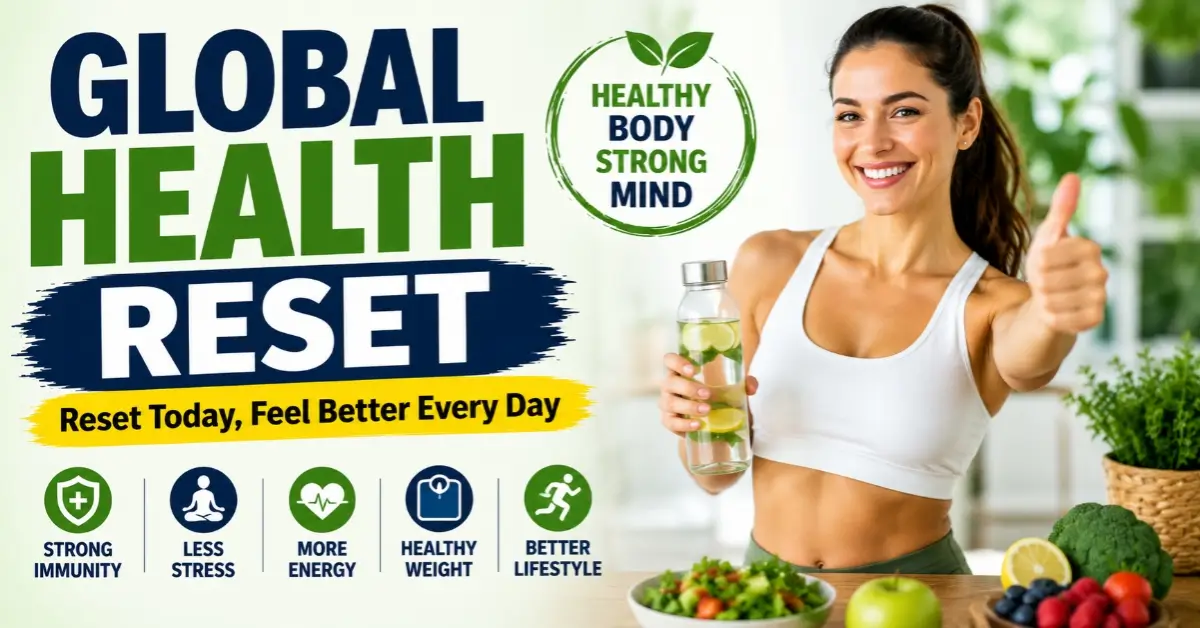
Global health reset is more than a popular wellness phrase. It represents a growing shift toward healthier daily habits that improve both physical and mental well-being. Around the world, more people are moving away from quick-fix diets, extreme fitness challenges, and unhealthy lifestyles. Instead, they are focusing on sustainable routines that support long-term health. Walking more, preparing nutritious meals, reducing stress, sleeping better, and staying active have become practical goals that anyone can achieve.
Modern life offers incredible convenience, but it also encourages long hours of sitting, highly processed foods, constant screen time, and chronic stress. These habits have contributed to rising rates of obesity, heart disease, diabetes, anxiety, and poor sleep. A global health reset doesn’t require expensive equipment or complicated programs. It begins with small choices repeated consistently. Every healthy meal, every walk outside, and every good night’s sleep becomes part of a stronger foundation for lifelong wellness.
Instead of chasing temporary results, this approach encourages building habits that remain effective for years. The objective isn’t perfection—it’s creating a healthier lifestyle that feels realistic, enjoyable, and sustainable.
Why the World Is Rethinking Health
For many years, health advice focused mainly on treating illness after it appeared. Today, more people recognize the value of prevention. Rather than waiting until health problems develop, individuals are investing in daily habits that reduce risk and improve quality of life.
Communities are creating more walking paths, encouraging outdoor activities, expanding cycling routes, and promoting healthier food choices. Employers are paying greater attention to employee wellness, while families are spending more time preparing meals at home and staying active together. These changes reflect a growing understanding that good health begins with everyday decisions rather than occasional efforts.
The global health reset also recognizes that physical and mental health cannot be separated. Better nutrition supports brain function, regular movement improves mood, quality sleep strengthens the immune system, and stress management benefits both mind and body.
Walking Is One of the Simplest Health Investments
One habit continues to stand out because almost anyone can begin immediately—walking. It requires no expensive membership, very little equipment, and can fit into almost any schedule. Walking supports heart health, improves circulation, strengthens muscles and joints, helps regulate blood sugar, reduces stress, and contributes to maintaining a healthy weight.
Many people believe they need intense workouts to improve their health. While structured exercise certainly has benefits, regular walking remains one of the most accessible ways to build fitness. Even thirty minutes of brisk walking each day can produce meaningful improvements when practiced consistently.
If you’d like practical ideas for making walking part of your routine, The Art of Walking explains why this simple activity continues to transform lives through better physical and emotional health.
Strength Has Become a New Definition of Wellness
The meaning of fitness is changing. Instead of chasing unrealistic body ideals, many people now focus on becoming stronger, more capable, and more resilient. Functional strength improves everyday life by making ordinary activities—lifting groceries, climbing stairs, playing with children, or maintaining good posture—feel easier and safer.
Strength training also supports healthy bones, protects joints, improves metabolism, and helps maintain muscle as we age. Perhaps even more importantly, becoming physically stronger often increases confidence and encourages healthier choices in other areas of life.
This shift reflects one of the core ideas behind the global health reset: health isn’t measured only by appearance. It’s measured by how well your body supports the life you want to live. If you’re interested in learning why functional strength has become such an important part of modern wellness, Unbreakable – The Modern Rise of Physical Strength explores this growing movement in greater detail.
Healthy Living Looks Different for Everyone
One of the biggest myths about wellness is that everyone should follow the same routine. In reality, healthy living looks different for every individual. Age, work schedules, family responsibilities, fitness levels, and personal goals all influence what a realistic lifestyle looks like.
Many women are discovering that consistent movement, balanced nutrition, and realistic exercise routines produce better long-term results than extreme workout plans. Building strength gradually, improving mobility, and staying active throughout the week create sustainable progress without unnecessary pressure.
If you’re looking for practical ideas designed specifically for women, Fitness for Women offers simple strategies that support confidence, strength, and lifelong health.
Building Healthy Habits That Actually Last
Many people start a healthier lifestyle with enthusiasm but lose motivation after only a few weeks. The reason usually isn’t a lack of willpower—it’s trying to change everything at once. The global health reset encourages a different approach. Instead of chasing perfection, focus on small habits that fit naturally into your daily routine.
Begin with one realistic goal. Drink an extra glass of water every morning, walk for twenty minutes after dinner, or prepare a healthy lunch instead of ordering fast food. Once that habit becomes automatic, add another. Over time, these small improvements become part of your lifestyle instead of feeling like temporary rules.
Creating a consistent routine also reduces decision fatigue. When healthy choices become automatic, they require less effort. If you’re looking for practical ideas, How to Build a Daily Routine That Supports Your Health Goals explains how simple routines create long-term success.
Nutrition Is the Foundation of Every Health Reset
Exercise alone cannot compensate for poor nutrition. Food provides the energy your body needs to repair tissues, support immunity, regulate hormones, and maintain healthy muscles. Instead of following restrictive diets, aim for balanced meals built around vegetables, fruits, whole grains, lean proteins, healthy fats, legumes, nuts, and seeds.
Highly processed foods often contain excessive sugar, sodium, and unhealthy fats while providing very little nutritional value. Replacing them with whole foods doesn’t need to happen overnight. Small substitutions—choosing water instead of sugary drinks, adding vegetables to lunch, or replacing processed snacks with fruit and nuts—can make a significant difference over time.
Hydration is equally important. Every organ depends on adequate water intake to function efficiently. Proper hydration supports digestion, circulation, body temperature, energy levels, and physical performance. If drinking enough water is difficult, The Importance of Drinking Water offers simple ways to build this habit into your day.
Recovery Is Just as Important as Activity
Many people focus entirely on movement while overlooking recovery. However, your body becomes stronger during recovery—not during the workout itself. Sleep, stress management, hydration, and proper nutrition all allow muscles to repair while supporting healthy immune function and mental clarity.
Poor sleep can reduce motivation, increase cravings for unhealthy foods, and make exercise feel much harder. Likewise, ongoing stress may affect digestion, blood pressure, mood, and overall well-being.
Creating a relaxing evening routine, reducing screen time before bed, and learning simple stress-management techniques all contribute to better health. If you’d like additional guidance, Improve Sleep Quality Naturally and Stress Relief – Simple and Effective Ways to Calm Your Mind and Body provide practical advice that complements an overall wellness lifestyle.
Old Lifestyle vs Global Health Reset
| Old Lifestyle | Global Health Reset |
|---|---|
| Skipping meals | Balanced, regular meals |
| Long hours of sitting | Daily movement and walking |
| Poor sleep habits | Consistent sleep routine |
| Highly processed foods | Whole, nutrient-rich foods |
| Constant stress | Mindfulness and recovery |
| Short-term diets | Sustainable healthy habits |
Your Personal Global Health Reset Checklist
- Walk for at least 30 minutes most days.
- Eat vegetables and fruit with every main meal.
- Drink enough water throughout the day.
- Strength train two or three times each week.
- Sleep 7–9 hours consistently.
- Reduce unnecessary screen time before bed.
- Practice a simple stress-management habit every day.
- Focus on progress instead of perfection.
Frequently Asked Questions
1. What does a global health reset mean?
It refers to adopting sustainable lifestyle habits that improve physical, mental, and emotional well-being instead of relying on quick fixes.
2. Do I need an expensive fitness program?
No. Walking, strength exercises using body weight, balanced nutrition, quality sleep, and consistent daily habits are often enough to build a healthier lifestyle.
3. How long does it take to notice results?
Many people begin feeling more energetic within a few weeks, while long-term health improvements develop through consistent habits over several months.
4. Is this approach suitable for beginners?
Yes. The global health reset is built around realistic lifestyle improvements that people of different ages and fitness levels can adapt to their own needs.