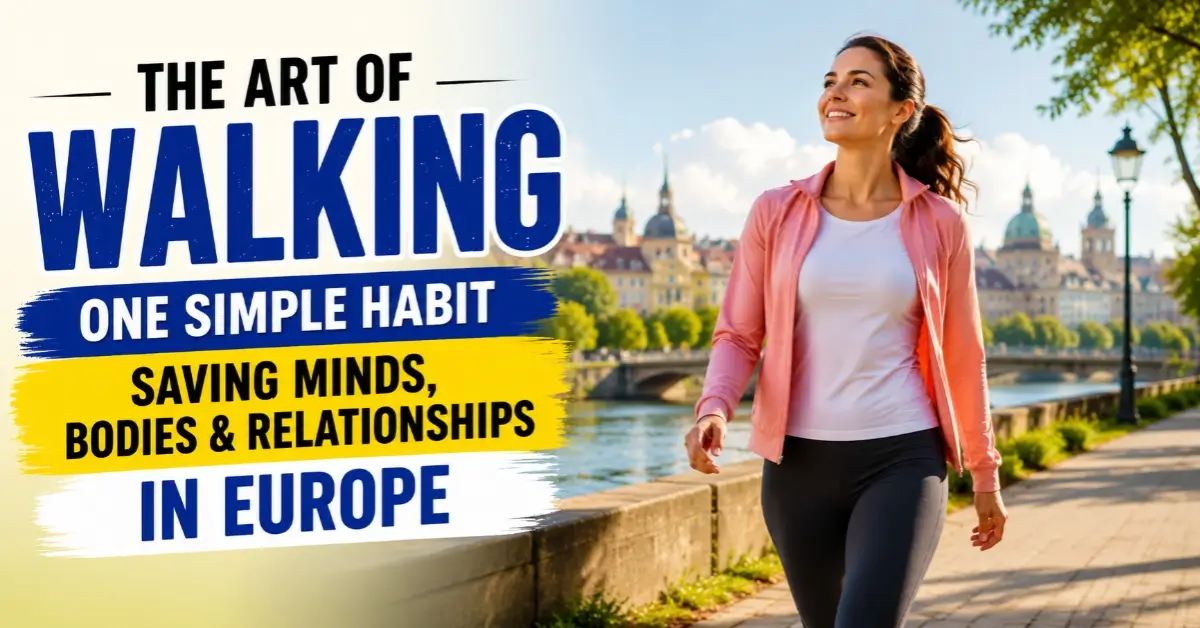
The art of walking is one of the simplest yet most powerful habits for improving overall health. Unlike expensive fitness programs or complicated workout routines, walking requires no special equipment, no gym membership, and very little planning. Across Europe, walking has become part of everyday life rather than just another form of exercise. From quiet village streets to busy city centers, millions of people choose to walk because it benefits both the body and the mind.
Modern research continues to highlight the importance of regular movement. Walking supports cardiovascular health, strengthens muscles and joints, improves circulation, reduces stress, and helps people maintain a healthy body weight. Beyond these physical benefits, walking also encourages mindfulness, improves emotional well-being, and creates valuable opportunities for meaningful conversations with family and friends. This combination of physical and emotional benefits is why many health professionals consider walking one of the easiest ways to build a healthier lifestyle.
- Improves heart and lung health.
- Supports healthy weight management.
- Reduces stress and anxiety.
- Strengthens muscles and joints.
- Encourages better sleep and higher energy.
- Creates opportunities for stronger relationships.
Walking Is More Than Just Exercise
Many people think walking is only useful for burning calories, but its impact reaches much further. Every walk supports the body’s natural systems by improving blood circulation, delivering oxygen throughout the body, and helping muscles stay active. Unlike high-intensity workouts that may not be suitable for everyone, walking is accessible to children, adults, older adults, and people who are just beginning their fitness journey.
Walking also gives the brain an opportunity to slow down. During a peaceful walk, people often organize their thoughts, solve problems more clearly, and reduce the mental pressure created by busy daily schedules. This explains why many successful professionals intentionally schedule walking into their daily routine instead of spending every break sitting indoors.
Healthy routines are built through consistency rather than perfection. Our guide on How to Build a Daily Routine That Supports Your Health Goals explains how simple daily habits like walking can improve long-term health.
Physical Benefits of Walking Every Day
| Benefit | How Walking Helps |
|---|---|
| Heart Health | Supports healthy blood circulation and cardiovascular fitness. |
| Weight Management | Burns calories while supporting a healthy metabolism. |
| Joint Health | Improves flexibility and keeps joints moving comfortably. |
| Muscle Strength | Builds endurance in the legs, hips, and core muscles. |
| Energy Levels | Improves oxygen delivery throughout the body. |
| Sleep Quality | Regular activity often supports deeper, more restful sleep. |
Walking also lowers the risk of several long-term health conditions when combined with balanced nutrition and healthy lifestyle choices. Even a brisk 30-minute walk most days of the week can contribute to healthier blood pressure, improved cholesterol levels, and better blood sugar control.
For women looking to combine walking with other simple fitness strategies, our article on Fitness for Women shares practical ways to improve strength, mobility, and overall wellness without complicated workout plans.
Walking Supports Mental Well-Being
Physical activity influences much more than muscles and bones. Walking naturally supports emotional health by helping the brain release endorphins and other chemicals associated with improved mood. Many people notice they feel calmer, more focused, and less overwhelmed after spending time walking outdoors.
Nature walks can be especially beneficial. Parks, forests, riversides, and quiet walking trails provide an opportunity to disconnect from screens, traffic, and constant notifications. Spending time outdoors also encourages mindfulness, allowing people to become more aware of their breathing, surroundings, and present moment instead of focusing only on daily stress.
Walking with friends or family members adds another important benefit. Conversations often flow more naturally while walking side by side than when sitting face-to-face. This creates stronger communication, reduces loneliness, and strengthens relationships over time.
Modern healthcare increasingly recognizes the connection between physical movement and emotional health. Our article on Future of Health explains why preventive lifestyle habits such as walking continue to play an important role in long-term wellness.
How Walking Strengthens Relationships
Walking is one of the few activities that benefits both physical health and human connection at the same time. Across Europe, it is common to see couples, families, friends, and even coworkers taking walks together instead of meeting only in restaurants or cafés. Walking creates a relaxed environment where conversations happen naturally without the distractions of phones, televisions, or busy schedules.
For couples, a daily walk offers time to reconnect after work, discuss goals, solve problems, and simply enjoy each other’s company. Parents who walk with their children often encourage healthier lifestyles while creating lasting family memories. Even short evening walks can strengthen relationships because they provide uninterrupted time together.
Social connection is an important part of overall wellness. Walking clubs and community events are becoming increasingly popular because they combine physical activity with friendship, motivation, and emotional support.
Why European Cities Encourage Walking
Many European cities are designed with pedestrians in mind. Wide sidewalks, public parks, cycling paths, green spaces, and car-free zones encourage people to choose walking instead of driving short distances. This design improves public health while reducing traffic congestion and air pollution.
Walking also supports environmental sustainability. Fewer short car journeys mean cleaner air, quieter neighborhoods, and healthier communities. Governments continue investing in walkable infrastructure because encouraging daily movement reduces healthcare costs while improving quality of life.
Personal health and environmental health often work together. Our article on Health Protection Benefits explains how everyday preventive habits create healthier lives for individuals and communities.
Building a Walking Habit That Lasts
- ✔ Start with 15–20 minutes each day.
- ✔ Walk at the same time every day.
- ✔ Wear comfortable walking shoes.
- ✔ Invite a friend or family member.
- ✔ Choose parks or safe walking routes.
- ✔ Increase distance gradually as fitness improves.
- ✔ Stay hydrated before and after longer walks.
- ✔ Focus on consistency instead of speed.
Walking should feel enjoyable rather than stressful. Some people enjoy listening to music or podcasts, while others prefer quiet surroundings to relax and clear their minds. The best walking routine is the one you can maintain for months and years.
If you’re looking for more practical ideas to build a healthier lifestyle, our guide on Smart Health Tips for Women shares everyday wellness habits that complement regular walking.
Common Walking Mistakes
| Mistake | Better Approach |
|---|---|
| Walking only occasionally | Walk consistently throughout the week. |
| Wearing uncomfortable shoes | Choose supportive walking footwear. |
| Poor posture | Keep your shoulders relaxed and head up. |
| Skipping hydration | Drink water before and after longer walks. |
| Trying to do too much too soon | Increase time and distance gradually. |
Frequently Asked Questions
1. How long should I walk each day?
Most health experts recommend about 30 minutes of moderate walking on most days of the week, but even shorter walks provide meaningful health benefits.
2. Is walking enough exercise?
For many people, regular walking is an excellent foundation for a healthy lifestyle. Additional strength training and flexibility exercises may provide even greater long-term health benefits.
3. Can walking improve mental health?
Yes. Walking may reduce stress, improve mood, increase energy, and support better emotional well-being, especially when combined with time spent outdoors.
4. Is walking suitable for older adults?
In many cases, yes. Walking is considered one of the safest forms of physical activity, although anyone with medical concerns should consult a healthcare professional before beginning a new exercise routine.
Every Step Builds a Healthier Future
The art of walking proves that meaningful lifestyle changes do not have to be complicated. A simple daily walk strengthens the heart, supports mental well-being, improves relationships, and encourages a healthier, more active life. Whether you’re walking through a quiet neighborhood, a city park, or a scenic European street, every step contributes to better physical health and emotional balance. When practiced consistently, walking becomes more than exercise—it becomes a lifelong investment in your health, happiness, and overall quality of life.




Hi how are you my name Asif Pakistan tell me need married