Every year, millions of people across the United States, Canada, the United Kingdom, and Australia begin a weight-loss journey with one simple question: Which exercise burns the most fat? The internet is full of conflicting advice. Some people say running is the answer, while others recommend weight lifting, HIIT, cycling, or walking. The truth is that successful weight loss rarely depends on a single workout. Instead, it comes from combining the right exercise with healthy nutrition, consistency, and realistic expectations.
The best exercise for weight loss is one you can perform regularly without giving up after a few weeks. Whether you prefer brisk walking through your neighborhood, lifting weights at the gym, cycling on weekends, or joining fitness classes, every type of movement contributes to better health and increased calorie burning.
This guide explains how different exercises affect fat loss, why building muscle matters, and how simple lifestyle habits can help you achieve long-term results instead of temporary success.
- ✔ Burn more calories through regular movement.
- ✔ Build muscle to support a faster metabolism.
- ✔ Combine cardio and strength training.
- ✔ Eat nutritious meals that fuel recovery.
- ✔ Stay consistent instead of chasing quick fixes.
- ✔ Focus on long-term healthy habits.
Why Exercise Matters for Weight Loss
Weight loss happens when your body consistently uses more energy than it receives from food and drinks. Exercise increases calorie expenditure while improving cardiovascular health, preserving muscle mass, boosting metabolism, and supporting emotional well-being.
However, many beginners make the mistake of believing that longer workouts automatically produce better results. In reality, consistency always beats occasional intense sessions. A balanced weekly routine performed month after month is far more effective than exhausting yourself for one week before quitting.
Exercise also delivers benefits that go far beyond the number shown on the scale. Better sleep, improved mood, stronger bones, healthier joints, increased confidence, and reduced stress all contribute to a healthier lifestyle that supports sustainable weight management.
| Exercise Type | Main Benefit | Best For |
|---|---|---|
| Walking | Easy calorie burning | Beginners |
| Strength Training | Builds muscle and metabolism | Long-term fat loss |
| HIIT | High calorie burn in less time | Busy schedules |
| Running | Improves endurance and burns calories quickly | Intermediate to advanced exercisers |
Walking: The Most Underrated Fat-Burning Exercise
Walking remains one of the safest and most effective exercises for people beginning their fitness journey. It requires no expensive equipment, places minimal stress on the joints, and can easily become part of everyday life. A brisk 30–45 minute walk performed most days of the week helps burn calories while improving heart health, circulation, and endurance.
Many people underestimate walking because it feels simple. Yet when practiced consistently alongside healthy eating habits, it becomes a powerful tool for gradual and sustainable fat loss.
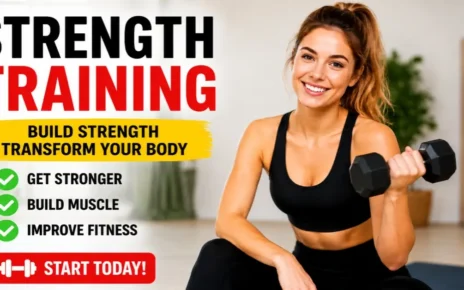
Strength Training: Burn More Calories Even While Resting
Strength training is often misunderstood. Some people worry that lifting weights will make them bulky, but for most adults it actually helps create a leaner appearance by increasing muscle mass while reducing body fat. Muscle tissue requires more energy than fat tissue, meaning your body continues burning more calories even while resting.
Focus on compound exercises such as squats, lunges, rows, push-ups, and presses two or three times each week. These movements train multiple muscle groups simultaneously, making workouts more efficient and supporting long-term weight management.

HIIT: Maximum Results in Less Time
High-Intensity Interval Training (HIIT) alternates short bursts of intense activity with brief recovery periods. A typical workout may include 30 seconds of fast movement followed by 30–60 seconds of slower recovery. This pattern can continue for 15–25 minutes depending on your fitness level.
HIIT is especially popular among busy professionals because shorter workouts can still provide significant cardiovascular and calorie-burning benefits. Beginners should start gradually and allow adequate recovery between sessions.
Running: A Powerful Choice for Fat Loss
Running continues to be one of the highest calorie-burning forms of exercise available. Besides supporting weight loss, it strengthens the heart, improves lung capacity, and builds endurance. Whether you prefer outdoor trails, parks, or treadmill sessions, regular running can become an important part of a healthy lifestyle.
If you’d like to learn how consistent running transforms both physical and mental health, explore our article on The Transformative Power of Daily Running, where we discuss practical strategies for building a sustainable running routine.
Cycling: A Low-Impact Way to Burn Calories
Cycling is an excellent option for people who want to lose weight without placing excessive stress on their knees or ankles. Whether you ride outdoors through your local neighborhood or use a stationary bike at the gym, cycling strengthens the legs, improves cardiovascular fitness, and burns a significant number of calories.
One of the biggest advantages of cycling is that you can easily adjust the intensity. Beginners may start with comfortable rides of 20–30 minutes, while experienced riders can increase speed, distance, or resistance to continue challenging their bodies.
Swimming: A Full-Body Workout
Swimming combines cardiovascular exercise with gentle resistance training. Every major muscle group works together while the water supports your joints, making swimming an excellent choice for older adults, beginners, or anyone recovering from minor injuries.
Besides supporting weight loss, swimming improves flexibility, endurance, lung capacity, and overall fitness. Because it feels refreshing even during warm weather, many people find it easier to stay consistent throughout the year.
Can You Lose Weight Without Going to the Gym?
Absolutely. Some of the most effective exercises require little or no equipment. Walking, jogging, bodyweight workouts, stair climbing, jump rope, resistance bands, yoga, and home HIIT sessions can all help create the calorie deficit needed for weight loss.
The most important factor isn’t where you exercise—it’s whether you can continue doing it week after week. A simple home workout that you enjoy is usually far more effective than an expensive gym membership you rarely use.
There isn’t one “perfect” fat-burning exercise. The best workout is the one you enjoy enough to perform consistently while supporting it with healthy eating and quality sleep.
Nutrition Makes Every Workout More Effective
Exercise and nutrition work as partners. Even the best workout routine cannot fully compensate for poor eating habits. Choosing balanced meals with lean protein, whole grains, fruits, vegetables, and healthy fats provides your body with the fuel it needs for better performance and recovery.
Healthy snacks can also prevent overeating later in the day while keeping your energy stable between meals. If you’re looking for practical ideas, explore our guide on Healthy Snack Ideas for an Energy Boost Throughout the Day.
Your Mindset Shapes Your Results
Many people begin exercising with excitement but lose motivation after a few weeks because results don’t appear immediately. Sustainable weight loss requires patience. Small improvements repeated consistently almost always produce better long-term results than extreme short-term diets or exhausting workout plans.
Developing a positive mindset makes it easier to overcome setbacks and continue progressing. Our article on The Power of Positive Thinking for Daily Health explains how mental resilience supports healthier lifestyle choices.
Healthy Habits That Keep the Weight Off
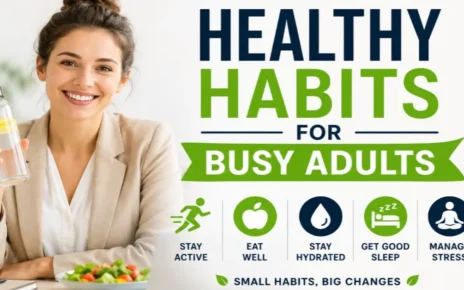
Successful weight management depends on much more than exercise alone. Sleeping well, staying hydrated, preparing meals at home, limiting sugary drinks, and remaining physically active throughout the day all contribute to lasting success.
Building these routines gradually is far more effective than trying to change everything overnight. Our guide on 50 Simple Healthy Habits to Improve Your Daily Routine shares practical habits that support long-term fitness and overall health.
When Weight Loss Becomes More Difficult
Sometimes people follow healthy eating and regular exercise plans but still struggle to lose weight. In some cases, underlying medical conditions such as thyroid disorders, hormonal changes, certain medications, or metabolic conditions may affect progress.
If your weight remains unchanged despite consistent healthy habits, discussing your concerns with a qualified healthcare professional is worthwhile. Our resource on Medical Diseases and Health Resources provides additional information about health conditions that may influence overall wellness.
Common Mistakes That Slow Weight Loss
Many people work hard in the gym but unintentionally make mistakes that limit their progress. Losing weight isn’t about exercising harder every day—it’s about combining smart training with healthy recovery and sustainable habits.
- Skipping strength training and relying only on cardio.
- Eating more calories than you burn after workouts.
- Ignoring sleep and recovery.
- Changing workout programs every week.
- Expecting dramatic results within a few days.
- Not drinking enough water.
- Spending long hours sitting after exercising.
- Comparing your progress with others instead of focusing on your own journey.
A Simple Weekly Workout Plan for Beginners
| Day | Workout |
|---|---|
| Monday | 30–40 minutes brisk walking + light stretching |
| Tuesday | Full-body strength training |
| Wednesday | Cycling or swimming (30–45 minutes) |
| Thursday | HIIT workout (15–20 minutes) |
| Friday | Strength training + core exercises |
| Saturday | Jogging, hiking, or your favorite sport |
| Sunday | Active recovery with walking or gentle stretching |
You don’t need perfect workouts every day. Missing one session won’t ruin your progress. Simply return to your routine the next day and keep moving forward.
Frequently Asked Questions
1. Which exercise burns the most calories?
Running, HIIT, swimming, and vigorous cycling generally burn the most calories, but the best choice depends on your fitness level and consistency.
2. Is walking enough to lose weight?
Yes. Walking can support weight loss when combined with healthy eating and regular activity. Increasing your pace and walking consistently improves results.
3. Should I do cardio or strength training?
Both are valuable. Cardio burns calories during exercise, while strength training builds muscle that supports long-term calorie burning.
4. How many days a week should I exercise?
Aim for at least 150 minutes of moderate exercise each week, along with two or more strength-training sessions.
5. Is HIIT better than running?
HIIT burns many calories in less time, while running improves endurance and cardiovascular fitness. Both can be effective depending on your goals.
6. Can I lose weight without joining a gym?
Absolutely. Walking, jogging, bodyweight workouts, cycling, home HIIT, and swimming are all effective options.
7. Why am I exercising but not losing weight?
Hidden calories, inconsistent eating habits, poor sleep, stress, medical conditions, or gaining muscle while losing fat may all affect the number on the scale.
8. What’s the most important rule for successful weight loss?
Choose exercises you genuinely enjoy, pair them with balanced nutrition, and stay consistent over the long term instead of looking for quick fixes.
Your body doesn’t change because of one intense workout—it changes because of hundreds of healthy decisions repeated over time. Every walk, every workout, every balanced meal, and every positive choice brings you one step closer to your goal. Focus on building habits you can maintain for years, and weight loss will become a natural result of a healthier lifestyle rather than a temporary challenge.


4.5
5
5
1
2
3.5
3
0.5
Thanks
mk2019053@gmail.com
Hi I will get a job
Running