Introduction: Why Environmental Hazards and Safety Measures Matter
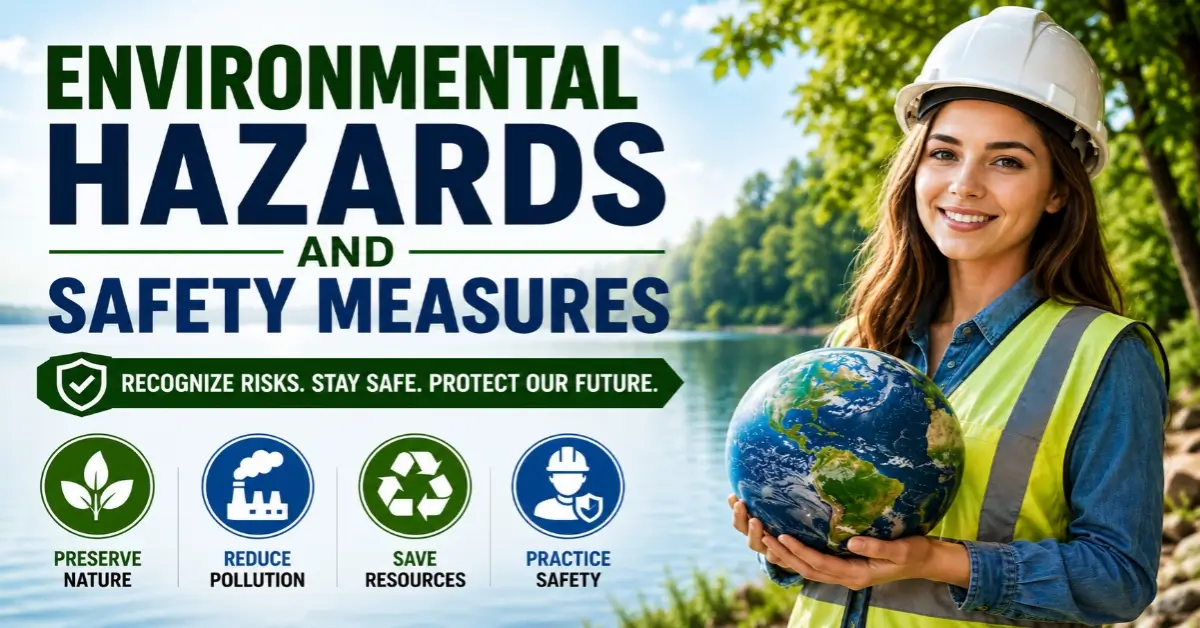
Environmental Hazards and Safety Measures are topics that affect every individual, family, and community. From air pollution in cities to toxic chemicals in workplaces, hazards surround us more than we realize. These risks can cause long-term health problems such as respiratory diseases, skin disorders, and even cancers. Beyond human health, environmental hazards also damage ecosystems, reduce biodiversity, and harm the planet we rely on for food and water. This is why safety measures are not optional—they are essential for survival and growth. Understanding how to respond to hazards makes people more resilient, workplaces safer, and societies healthier. Unfortunately, many communities still ignore early warning signs and underestimate the risks, leaving themselves vulnerable. Modern approaches highlight the need for education, policy, and awareness campaigns to protect lives. A great example of this holistic approach can be found in our analysis of Global Health Reset, which shows how health and environment must be addressed together for a safer future.
Air Pollution and Protective Measures
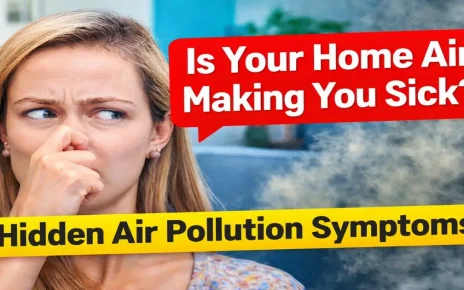
One of the most visible and harmful environmental hazards is air pollution. Smog, industrial emissions, and vehicle exhaust create harmful particles that enter our lungs and bloodstream. Long exposure to polluted air increases risks of asthma, lung cancer, and cardiovascular disease. Children and elderly people are especially vulnerable, and cities with high pollution levels often report higher hospital admissions. To address this, safety measures include reducing industrial emissions, switching to renewable energy, and encouraging public transport. On an individual level, people can protect themselves by using air purifiers indoors, wearing protective masks in polluted environments, and avoiding outdoor exercise during high-smog days. Masks have become a symbol of protection, not only during pandemics but also against pollution. You can read more about how masks serve as guardians against health risks in Guardians of Health – Discovering the True Benefits of Wearing Masks. Clean air is not just an environmental issue; it is a basic human right that safety measures must protect consistently.
Chemical Exposure and Workplace Safety
Another critical area of environmental hazards and safety measures involves chemicals in workplaces and households. Factories often use or release substances that are hazardous to workers and nearby residents. Pesticides, cleaning agents, and industrial solvents may seem harmless but can cause poisoning, skin burns, and chronic illness if handled improperly. Chemical exposure is not limited to factories—everyday products at home can also be risky if not used with care. Proper labeling, safe storage, and protective gear like gloves and masks reduce exposure risks. Employers have a legal and moral duty to provide training and safety equipment to workers. Accidents like chemical leaks not only harm employees but also pollute soil and water for years. Governments enforce occupational health and safety laws, but individual awareness remains vital. People must know how to handle, dispose, and respond to chemical risks. Our review of Future of Health highlights how rising environmental challenges demand safer practices at both personal and institutional levels.
Climate Change and Natural Hazards
Climate change is multiplying the risks of environmental hazards. Extreme weather events like floods, wildfires, and hurricanes are more frequent and severe. These disasters destroy homes, displace families, and cause billions of dollars in losses. Beyond economic damage, they also create long-lasting trauma in communities. Safety measures here include strong infrastructure planning, early warning systems, and public education about disaster response. Simple steps like knowing evacuation routes or keeping emergency kits at home can save lives during natural hazards. Communities also need to focus on sustainable living—reducing waste, conserving energy, and protecting forests. Climate change cannot be reversed overnight, but adapting to its challenges is critical. Collective responsibility and action at every level—from individuals to governments—make the difference. By connecting environmental hazards with broader safety measures, societies can reduce risks and prepare for uncertain futures. These climate-driven hazards remind us that safety is not just about avoiding accidents but also about building resilience against unpredictable forces of nature.
Water Contamination and Public Health
Water contamination remains one of the most serious environmental hazards worldwide. Clean water is essential for drinking, cooking, agriculture, and sanitation. When water sources become polluted with chemicals, industrial waste, sewage, or harmful microorganisms, communities face significant health risks. Contaminated water can spread diseases such as cholera, typhoid, hepatitis, and various gastrointestinal infections. Children, older adults, and people with weakened immune systems are often the most vulnerable.
Industrial activities, agricultural runoff, and improper waste disposal are major causes of water pollution. Pesticides and fertilizers used in farming can enter rivers and groundwater supplies, affecting both human health and aquatic ecosystems. Safety measures include proper water treatment systems, regular testing of public water supplies, and responsible waste management practices. Households can further protect themselves by using certified water filters, storing drinking water safely, and following local health advisories. Access to clean water is not only a public health issue but also a basic human right that supports long-term community wellbeing.
Noise Pollution and Mental Wellbeing
Noise pollution is often overlooked when discussing environmental hazards, yet its effects on physical and mental health can be significant. Constant exposure to traffic noise, construction activity, industrial machinery, or loud entertainment venues increases stress levels and reduces quality of life. Prolonged exposure to excessive noise can contribute to sleep disturbances, high blood pressure, reduced concentration, and anxiety-related symptoms.
Children exposed to high noise levels may experience difficulties with learning and academic performance, while adults often report fatigue and irritability. Safety measures include urban planning that reduces noise exposure, installation of sound barriers, use of protective hearing equipment in workplaces, and encouraging quieter community environments. Individuals can reduce personal exposure by using noise-canceling devices, creating quiet spaces at home, and limiting unnecessary exposure to loud environments. Protecting mental wellbeing is an important part of environmental safety, and controlling noise pollution contributes to healthier and more productive communities.
Waste Management and Environmental Protection
Improper waste disposal is a growing environmental hazard that affects public health, wildlife, and natural ecosystems. Household garbage, industrial waste, electronic devices, plastics, and hazardous materials can contaminate land and water when not managed correctly. Landfills that are poorly maintained often release harmful chemicals into surrounding soil and groundwater. Plastic waste is particularly concerning because it can remain in the environment for hundreds of years while harming animals and entering the food chain through microplastics.
Effective waste management begins with reducing unnecessary consumption and encouraging recycling whenever possible. Communities can support environmental safety by separating recyclable materials, composting organic waste, and disposing of hazardous items through approved collection programs. Businesses also have a responsibility to minimize waste generation and adopt sustainable production methods. Public education campaigns help individuals understand how everyday disposal habits affect the environment. By reducing waste and promoting responsible disposal practices, societies can lower pollution levels and create healthier environments for future generations.
Emergency Preparedness and Environmental Safety
Environmental hazards often become more dangerous when people are unprepared for emergencies. Natural disasters, chemical spills, industrial accidents, and severe weather events require quick and organized responses. Emergency preparedness helps individuals and communities react effectively during crises. Families should maintain emergency kits containing water, food, flashlights, batteries, first-aid supplies, and important documents. Knowing evacuation routes and communication plans can significantly improve safety during emergencies.
Workplaces should conduct regular safety drills and ensure employees understand emergency procedures. Schools, hospitals, and public institutions must also develop response plans that protect vulnerable populations. Modern technology provides additional support through weather alerts, emergency notification systems, and hazard monitoring tools. Preparedness reduces panic and improves decision-making when environmental threats occur. Rather than waiting for disasters to happen, communities should actively prepare for potential risks. A culture of preparedness strengthens resilience and reduces the long-term impact of environmental hazards.
Building a Culture of Safety for the Future
The most important safety measure is building a culture of awareness and responsibility. Environmental hazards exist everywhere, but consistent education and training empower people to act safely. Schools can teach children about environmental protection, workplaces can provide safety drills, and governments can enforce strict EHS policies. A strong safety culture ensures that people do not wait for disasters before taking action. Instead, they prevent risks from escalating in the first place. Technology can also help—mobile apps, smart sensors, and AI systems now detect pollution, chemical leaks, and weather risks faster than humans alone.
Personal safety awareness is equally important when responding to environmental hazards. Basic emergency knowledge can prevent minor incidents from becoming major emergencies. Understanding how to react during accidents, injuries, or sudden health events helps individuals protect themselves and others. Learning essential safety skills through resources such as First Aid for Burns supports a stronger culture of preparedness and environmental responsibility.
By combining traditional awareness with modern tools, we can create safer environments. Communities that value safety today ensure healthier futures for tomorrow. Environmental hazards may never disappear completely, but safety measures give us control over how we face them. As individuals, families, and nations, our future depends on making environmental safety a top priority every single day.Frequently Asked Questions (FAQ)
What are the most common environmental hazards?
The most common hazards include air pollution, chemical exposure, contaminated water, and extreme weather events linked to climate change.
How can individuals reduce environmental risks?
Individuals can reduce risks by using protective masks, avoiding harmful chemicals, supporting clean energy, recycling, and staying prepared for natural disasters with emergency kits and plans.
How does air pollution affect human health?
Air pollution can increase the risk of asthma, respiratory infections, cardiovascular disease, and lung cancer. Long-term exposure is especially dangerous for children and older adults.
What are common workplace environmental hazards?
Common workplace hazards include chemical exposure, poor air quality, excessive noise, unsafe equipment, and inadequate protective measures. Proper training and safety equipment help reduce these risks.
Why is environmental safety important for communities?
Environmental safety protects public health, reduces disease risks, preserves natural resources, and improves quality of life. Safe environments support healthier and more resilient communities.