Introduction: Understanding Anxiety in Modern Life
Coping with Anxiety is a daily reality for millions. Anxiety is more than simple worry; it can affect thoughts, sleep, and relationships. In today’s fast pace, work pressure, financial uncertainty, and constant news create mental noise. As a result, the body stays in “alert mode”—heart racing, sweaty palms, tight breathing. Recognizing this pattern is the first step toward calm. Fortunately, anxiety responds to small, consistent actions. Clear routines, gentle exercise, and mindful pauses reduce intensity. In addition, talking about feelings lowers shame and isolation. Think of anxiety like a volume knob, not an on/off switch. With practice, you learn how to turn the sound down. This guide offers simple strategies you can start today. The goal is not perfection. Instead, aim for steady progress and kinder self-talk so daily life becomes lighter and more manageable.
Lifestyle Changes that Reduce Anxiety
Healthy habits make a strong baseline. First, move your body. A daily 20–30 minute walk releases endorphins and eases muscle tension. If gyms feel hard, try stretch breaks, stairs, or short dance sessions. Second, fuel your brain. Limit caffeine and high sugar, which can spike jitters; choose slow-energy foods like oats, nuts, and leafy greens. Third, protect sleep. A regular bedtime, dim lights, and screens-off 60 minutes before bed help the brain settle. Even brief naps can refresh, but avoid late afternoon naps. Hydration also matters; mild dehydration raises stress. Finally, create tiny anchors: morning sunlight, a glass of water, three deep breaths before emails. These cues tell the nervous system, “You are safe.” For deeper guidance on rest and recovery, see Sleep Health. Small habits, done daily, build resilience faster than occasional big changes.
Mindfulness and Relaxation Techniques
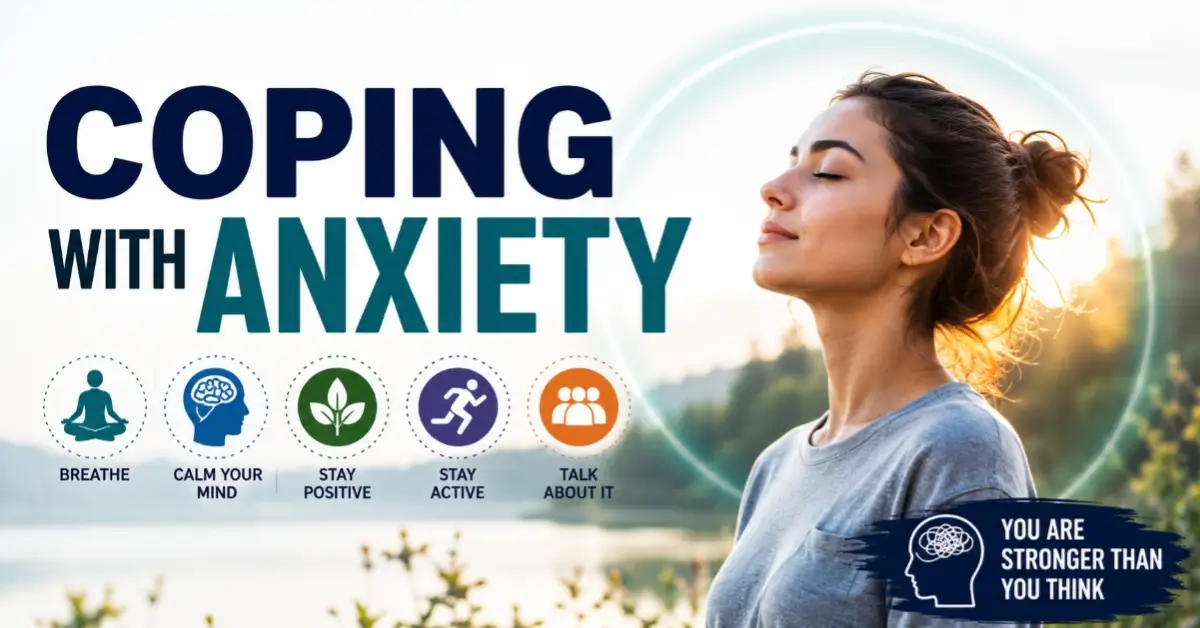
Mindfulness trains attention to stay in the present. Start with one minute. Inhale through the nose for four counts, exhale for six. Notice the cool air, the gentle rise of the ribs. When thoughts wander—because they will—gently return. Over time, add simple tools: box breathing (4–4–4–4), a body scan, or five-sense grounding (see, hear, feel, smell, taste). In addition, try slow yoga or a warm shower to relax muscles. Music, nature sounds, or journaling can also lower stress hormones. Choose one practice and repeat it at the same time daily. Consistency rewires the brain more than intensity. If meditation feels hard, use mindful chores: wash dishes slowly, walk without your phone, sip tea with full attention. Therefore, the nervous system learns a new default—less alarm, more ease. With practice, you will notice quicker recovery after stressful moments.
Social Support and Communication
Connection calms the body. A five-minute honest chat can soften anxiety more than an hour of silent worry. Tell a trusted person, “I’m feeling tense; can I share for two minutes?” Clear requests invite helpful responses. Meanwhile, support groups—online or local—offer belonging and practical tips. You hear, “Me too,” and shame fades. In relationships, name your triggers and preferred support: “When I’m anxious, please slow down and speak softly,” or “Walk with me while I breathe.” Boundaries also help; it is okay to say, “I cannot discuss this late at night.” In return, listen with curiosity, not quick fixes. Laughter, small plans, and shared meals rebuild safety. When connection becomes a habit, anxiety has less room to grow. Community does not remove problems. However, it makes problems lighter to carry, one conversation at a time.
Professional Help and Therapy
Sometimes self-help is not enough, and that is okay. Therapists offer structured tools such as Cognitive Behavioral Therapy (CBT), which challenges anxious thinking and builds new patterns. Exposure therapy reduces fear step by step, while Acceptance and Commitment Therapy (ACT) teaches value-based action. If symptoms disrupt sleep, work, or relationships, ask a doctor about options. Short-term medication can stabilize the system while you practice skills. Likewise, therapy plus lifestyle change often works best. Keep notes between sessions—triggers, thoughts, and what helped. Bring those notes to guide treatment. Also, monitor mood overlaps; anxiety and low mood often arrive together. For a deeper look, read our Depression Guide. Seeking help is an act of strength, not failure. Early support prevents symptoms from “hard-wiring” and speeds recovery.
Daily Coping Strategies and Habits
Think “toolkit,” not “single cure.” First, write a worry list, then mark what you can do today, this week, or never. Action shrinks fear; letting go shrinks it too. Next, break tasks into micro-steps—five-minute bursts with short breath breaks. Use the 3-3-3 rule: name three things you see, three sounds, and move three body parts. Limit news cycles and doom-scrolling; schedule a small, fixed window for updates. Reduce alcohol and nicotine, which spike anxiety later. Add gentle joy: a plant, a playlist, a walk with sunlight. Practice gratitude—three specific lines at night. In addition, service helps: send a kind text, hold the door, share food. Helping others returns a sense of power and meaning. For broader stress strategies, visit Stress-Free Life. Bit by bit, these habits create a calmer baseline you can rely on.
Long-Term Resilience and Hope
Anxiety may not vanish, yet you can change your relationship with it. Picture a wave: you cannot stop waves, but you can learn to float. Build a simple relapse plan—early signs, helpful actions, and people to call. Review it monthly. Celebrate tiny wins: answered one email, took a walk, slept 20 minutes more. Therefore, motivation grows. Create “health buffers”: movement, sleep, sunlight, connection, creativity. When life gets messy, buffers absorb shock. If a setback arrives, pause and reset rather than judge yourself. Self-compassion is not indulgence; it is fuel for change. Many people who once felt trapped by anxiety now live steady, meaningful lives. They practiced, relapsed, adjusted, and kept going. You can too. Progress looks ordinary on the outside, but it feels like freedom on the inside—quiet, steady, and real.
Anxiety Symptoms You Should Never Ignore
Occasional worry is normal, but some anxiety symptoms should never be ignored. Constant nervousness, panic attacks, chest tightness, difficulty sleeping, racing thoughts, and ongoing fear can interfere with daily life. Some people experience physical symptoms such as headaches, stomach discomfort, dizziness, muscle tension, or rapid heartbeat. These symptoms can sometimes be mistaken for other health conditions, which is why proper evaluation is important.
When anxiety continues for weeks or months, it can affect work performance, relationships, and overall wellbeing. Early recognition allows people to seek support before symptoms become overwhelming. Keeping track of triggers, sleep patterns, and emotional responses helps identify patterns that can be addressed through lifestyle changes or professional guidance. Learning to recognize warning signs is one of the most important parts of coping with anxiety successfully.
Coping with Anxiety at Work and School
Workplaces and educational environments are common sources of anxiety. Deadlines, exams, presentations, financial concerns, and social pressures can create ongoing stress. One helpful strategy is breaking large tasks into smaller steps. Focusing on one task at a time reduces overwhelm and improves concentration. Taking short movement breaks, staying hydrated, and avoiding excessive caffeine can also help maintain emotional balance throughout the day.
Students and professionals benefit from building healthy routines that include regular sleep, exercise, and relaxation practices. Mindfulness techniques are especially useful when dealing with performance anxiety or excessive worry about future outcomes. Learning how to stay present rather than focusing on worst-case scenarios often reduces anxiety levels significantly. For additional support, explore our guide on Managing Stress and Anxiety, which provides practical strategies for maintaining mental wellbeing in everyday life.
Frequently Asked Questions (FAQ)
What are the best quick coping strategies for anxiety?
Use slow breathing (4-in, 6-out), the 3-3-3 grounding rule, a five-minute walk, and a brief check-in with a supportive person. Repeat these small steps during the day.
When should I seek professional help?
If anxiety disrupts sleep, work, or relationships—despite self-help—consult a therapist or doctor. Early support prevents symptoms from getting entrenched.
Can anxiety cause physical symptoms?
Yes. Anxiety can cause headaches, muscle tension, stomach discomfort, dizziness, rapid heartbeat, sweating, and sleep problems. Physical symptoms are common and often improve when anxiety is managed effectively.
How can I reduce anxiety naturally?
Natural ways to reduce anxiety include regular exercise, quality sleep, mindfulness practices, deep breathing, limiting caffeine, staying connected with supportive people, and maintaining a healthy daily routine.
Is anxiety a mental illness or a normal reaction to stress?
Feeling anxious occasionally is a normal response to stress. However, when anxiety becomes persistent, excessive, or begins affecting daily life, it may develop into an anxiety disorder that requires professional support.