1) Why Preventing Viral Infections Matters More Than Ever
Preventing Viral Infections is not only about avoiding sickness for yourself; it is about protecting your family, workplace, and community. Viruses spread silently through air, hands, shared objects, and close gatherings. By the time symptoms show, you may have already passed it on to others. Prevention therefore works like an invisible shield—it reduces spread before trouble begins. One important lesson from recent global events is that no single habit is enough. Instead, multiple small habits form layers of defense: clean hands, better ventilation, timely vaccination, and quick rest when symptoms appear. These actions combine to make outbreaks smaller and easier to manage. In addition, prevention protects vulnerable groups—elderly people, those with chronic illnesses, children, and pregnant women. When we act with care, we reduce pressure on hospitals, keep schools running, and allow life to continue with fewer disruptions. For broader safety culture, you can explore our guide on Environmental Hazards and Safety Measures. Prevention is not fear—it is respect, kindness, and responsibility woven into daily life.
2) Breaking the Chain of Transmission: Air, Hands, and Surfaces
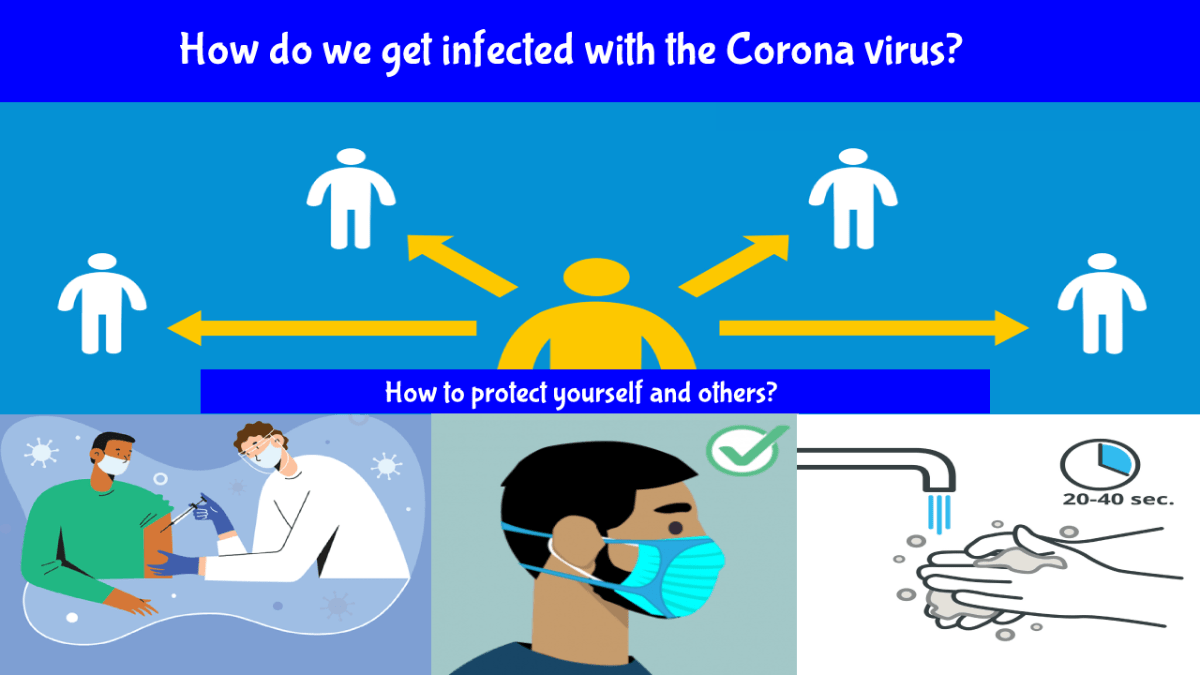
Most viruses travel through three routes: air, hands, and shared surfaces. Airborne spread is common in crowded or poorly ventilated spaces like buses, offices, or schools. Opening windows, creating cross-ventilation, and using outdoor areas when possible reduce risk. In high-risk settings, a well-fitting mask adds a layer of protection without major effort. Hands are the second route. We touch door handles, railings, or phones and then touch our eyes, nose, or mouth. Washing hands for 20 seconds with soap or using sanitizer after public contact is a simple habit that breaks this cycle. The third route is surfaces. Regular cleaning of high-touch objects—switches, keyboards, shared tools—makes a big difference. Use disinfectant wisely: focus on hot spots rather than spraying everywhere. Also practice cough etiquette: sneeze into your elbow or tissue, dispose of it quickly, and wash hands afterward. Carry a small kit with tissues, sanitizer, and a spare mask. Small daily corrections like standing slightly apart from coughing people or choosing outdoor coffee tables reduce exposure without harming social life. Prevention is about smart design, not restriction. These small steps prevent viruses from moving easily from one person to the next.
3) Vaccination and Community Protection
Vaccination is one of the strongest shields against viral infections. While it does not stop every case, it significantly reduces severe illness, hospitalization, and long recovery times. Staying up to date with seasonal vaccines such as flu shots and region-specific boosters keeps communities safe. For example, teachers, healthcare workers, and those working in crowded settings benefit greatly from timely vaccines. Planning matters: schedule doses before high-exposure seasons or planned travel. Vaccines work best when combined with habits like hand hygiene and ventilation. If you feel symptoms, test early if tests are available. A quick response reduces spread at home or work. Isolate respectfully, inform close contacts, and rest. Antibiotics should not be used for viral infections because they treat bacteria, not viruses. Overuse of antibiotics can weaken our ability to fight true bacterial infections in the future. A helpful family practice is keeping a small health log: symptoms, exposures, and care routines. It speeds decisions during busy times. For example, homes prepared for other emergencies such as burns recover faster in crises; see our post First Aid for Burns for ideas on calm, safe responses. Vaccines, daily habits, and family readiness together build stronger defense systems for everyone.
4) Home, Workplace, and School Readiness
Prevention becomes easier when we create systems. At home, adopt routines like washing hands after coming inside, placing shoes and bags in fixed spots, and wiping phones after crowded trips. Keep airflow strong: a fan near a window can help push stale air out. Build a sick-day kit with basics like thermometer, pain relievers, rehydration salts, tissues, and spare masks. In shared living, label bottles or cups to reduce mix-ups. At work, discuss flexible policies for seasonal waves: remote options, short outdoor meetings, and quick breaks for airing rooms. Encourage supportive stay-home policies—when people rest, they return faster and reduce wider spread. Schools should set up hand hygiene stations, remind families about symptom checks, and hold more events outdoors where possible. Posting a clear flowchart for symptoms (fever, cough, sore throat) helps households act faster. Preparedness also extends to emergency awareness. Families who know how to handle sudden events like strokes react with calm rather than panic. To learn more about this critical skill, see First Aid for Stroke. Prevention at home, work, and school is not about control—it is about smooth flow, where everyone knows what to do without fear.
5) Daily Habits: Sleep, Food, Exercise, and Mental Strength
Strong immunity grows from consistent daily habits. Sleep is essential—immune systems reset while you rest. Aim for 7–8 hours, reduce screens before bedtime, and keep a regular schedule. Nutrition matters too. Choose whole foods like vegetables, fruits, beans, nuts, and fish over processed sugar. Stay hydrated, as dehydration weakens your defenses. Physical activity helps more than you think: daily walks, light stretching, or climbing stairs support circulation and energy. Natural light in the morning balances body clocks and boosts mood. Stress control is equally important. Chronic stress weakens defenses, making you more vulnerable to infections. Try deep breathing, journaling, or short meditation. Even a warm shower or ten minutes outdoors reduces tension. Connection is also protective—laughter and supportive conversations calm the nervous system. If worry grows, mental tools become as important as masks. Our guide Coping with Anxiety shows simple ways to manage stress so prevention habits do not feel heavy. Prevention is not perfection; it is balance. Small corrections over time create a lifestyle where health feels natural, not forced.
6) Travel, Public Spaces, and Information Hygiene
Travel and public life bring joy but also higher risk. Prepare with a small kit: sanitizer, masks, tissues, and basic medicines. On planes or buses, wipe armrests and tray tables, adjust air vents to flow away from your face, and choose window seats when possible. Prefer outdoor dining or well-ventilated spots indoors. At hotels, open windows upon arrival. If you feel unwell during travel, rest instead of forcing activity; one day of pause protects the whole group. On return, check for symptoms and rest if needed. Equally important is “information hygiene.” Avoid spreading rumors, miracle cure claims, or panic headlines. Follow health authorities and share verified advice. Remember: antibiotics do not treat viruses, and misuse creates long-term harm. Prevention at scale comes from good habits and good information. Viral and bacterial infections often share similar prevention strategies, including hygiene, safe food practices, and strong immunity. To learn more about everyday protection measures, read our guide on Bacterial Infections Prevention. Prevention is hopeful. It gives control today, lowers fear, and keeps tomorrow safer for all.
Who Is Most Vulnerable to Viral Infections?
Although anyone can catch a viral infection, some groups face a higher risk of serious illness. Older adults, infants, pregnant women, and people with weakened immune systems require extra protection. Individuals living with diabetes, heart disease, cancer, or chronic lung conditions may experience more severe symptoms and longer recovery periods. Healthcare workers, teachers, and people working in crowded environments are also exposed to viruses more frequently.
Understanding risk factors helps people take preventive measures earlier. Vaccinations, good hygiene, healthy sleep, balanced nutrition, and avoiding close contact with sick individuals become even more important for vulnerable populations. Families should also pay attention to symptoms and seek medical advice promptly when high-risk individuals become ill. Prevention works best when protection begins before exposure occurs.
Frequently Asked Questions (FAQ)
What is the best way of preventing viral infections?
There is no single best method. Use multiple layers: clean hands, fresh air, timely vaccines, smart use of masks, and resting when sick. These simple steps work together to create strong defense against viruses, protecting both you and the community.
Do I need to disinfect my house every day?
No, daily deep disinfection is not required. Focus on high-touch spots such as door handles, phones, switches, and keyboards. Regular cleaning with soap and targeted disinfecting is enough, especially when paired with good hand hygiene and ventilation.
Can antibiotics help in preventing viral infections?
No. Antibiotics only treat bacterial infections. Viral illnesses like flu, colds, or seasonal viruses cannot be treated with antibiotics. Misusing antibiotics for viruses reduces their effectiveness when you truly need them for bacterial diseases in the future.
When should I wear a mask to prevent infections?
Wear a mask in crowded indoor spaces, on public transport, or when visiting people at high risk. During flu seasons or outbreaks, masks add an easy extra layer. If you have symptoms, wearing a mask protects the people around you.
How can families manage if one member gets sick?
Set up a separate space if possible, improve ventilation, and use separate towels and utensils. Rotate caregivers so no one is overexposed. Clean common surfaces, practice hand hygiene, and encourage rest. Keeping a small sick-day kit at home makes this process smoother and less stressful.
How do stress and sleep affect viral infection prevention?
Chronic stress and poor sleep weaken the immune system. This makes it harder for the body to fight viruses. Build steady routines such as regular bedtimes, daily movement, breathing exercises, healthy meals, and supportive social connections to keep your immune system strong.
Educational content only; not a substitute for medical advice. For emergencies, seek professional care immediately.

Related Articles