1) Why Bacterial Infections Prevention Matters
Preventing bacterial infections is not only an individual task—it is a community responsibility. Schools, workplaces, and public spaces play a role in reducing risk. Campaigns about hand hygiene, safe food handling, and antibiotic misuse educate people about their role in public health. Overusing antibiotics leads to resistance, which turns once-simple infections into dangerous ones. Awareness helps families and communities choose wisely. Hospitals also carry risks, so infection control measures like sterilized equipment, protective gear, and strict cleaning are crucial. Travel requires extra caution: carry sanitizer, eat at trusted places, and avoid sharing bottles or utensils. Information also matters. Share only verified advice from trusted medical sources, not rumors or untested remedies. Prevention culture works when everyone participates. Healthy communities are more productive, children attend school more regularly, and healthcare systems save resources for critical needs. In addition, preventing infections helps reduce long-term inflammation in the body, which is linked to many chronic diseases. To understand this connection better, read Chronic Inflammation. Bacterial infections are preventable, but only when people act together, consistently and responsibly.
2) Food Safety and Clean Habits
One of the most common sources of bacterial infections is contaminated food. Every year, millions suffer from foodborne illnesses caused by bacteria like Salmonella, E. coli, or Listeria. Simple steps at home can prevent this. Wash hands before cooking, clean kitchen surfaces, and separate raw meat from vegetables. Cook food thoroughly, especially poultry, eggs, and seafood, as heat kills harmful bacteria. Store leftovers safely—refrigerate within two hours and never eat food that smells odd or looks spoiled. Pay attention to water quality as well; unsafe water is a carrier of bacteria that causes diarrhea and typhoid. Street food, though tempting, often skips hygiene steps, so choose carefully. Reusable kitchen towels and sponges can carry bacteria—wash and replace them often. Fast food and ready-to-eat meals are common in modern life, but you can still make them safer. Learn how small changes can protect your health with our post Rethinking Fast Food. Prevention is not about saying no to modern choices; it is about adding safety steps so that convenience and health live together. With awareness, the risk of bacterial infections from food reduces sharply.
3) Strengthening the Body’s Defense System
While hygiene keeps bacteria away from your body, a strong immune system helps fight the ones that slip through. Building immunity requires daily effort—balanced meals, regular exercise, proper hydration, and adequate rest. Whole foods with natural vitamins, minerals, and probiotics strengthen gut health, which is the body’s first line of defense against bacterial invaders. Exercise improves blood flow, ensuring immune cells travel efficiently. You do not need an expensive gym to get stronger; even running or brisk walking makes a difference. In fact, consistent movement can be transformative. Read our post Lace Up, Show Up, and Run to see how simple running habits can create long-term resilience. Exercise also improves mood and reduces stress, both of which directly affect immunity. Stress hormones weaken your defenses, so relaxation and physical strength go hand in hand. Remember, prevention is not a single step but a system. Hygiene, food safety, and daily fitness together reduce risks. When your body is strong, bacteria find fewer chances to cause harm, and minor infections resolve faster without major complications.
4) Daily Lifestyle Adjustments for Prevention
Bacterial infection prevention also comes down to daily lifestyle. Sleep is a natural healer. Adults should aim for 7–8 hours of consistent rest to allow the immune system to recharge. Hydration keeps your body ready to flush toxins and maintain cellular balance. Hygiene in personal spaces matters too—change towels and bed sheets regularly, wash clothes properly, and avoid sharing personal items like razors or toothbrushes. Workplaces can reduce risk by promoting regular cleaning and encouraging sick employees to rest instead of pushing through. Small habits like handwashing after meetings, wiping shared desks, and keeping personal items separate prevent bacteria from spreading. A holistic approach also includes mindful exercise routines. Our article A Holistic Approach to Daily Exercise Routine explores how simple movements, stretching, and balanced training create a lifestyle that naturally blocks infections. When prevention becomes part of daily rhythm, it no longer feels like extra work. It feels normal, natural, and empowering. These adjustments are easy to teach children as well, making them lifelong habits for the next generation.
5) Community Awareness and Global Responsibility
Preventing bacterial infections is not only an individual task—it is a community responsibility. Schools, workplaces, and public spaces play a role in reducing risk. Campaigns about hand hygiene, safe food handling, and antibiotic misuse educate people about their role in public health. Overusing antibiotics leads to resistance, which turns once-simple infections into dangerous ones. Awareness helps families and communities choose wisely. Hospitals also carry risks, so infection control measures like sterilized equipment, protective gear, and strict cleaning are crucial. Travel requires extra caution: carry sanitizer, eat at trusted places, and avoid sharing bottles or utensils. Information also matters. Share only verified advice from trusted medical sources, not rumors or untested remedies. Prevention culture works when everyone participates. Healthy communities are more productive, children attend school more regularly, and healthcare systems save resources for critical needs. Families that understand prevention also manage other health challenges with clarity. For example, the role of financial security in dealing with unexpected illness is explored in The Safety Net of Health Insurance. Bacterial infections are preventable, but only when people act together, consistently and responsibly.
Who Is Most at Risk of Bacterial Infections?
Although anyone can develop a bacterial infection, some groups face a higher risk than others. Infants and young children have developing immune systems that may not respond as effectively to harmful bacteria. Older adults are also more vulnerable because immunity naturally weakens with age. People living with diabetes, cancer, chronic lung disease, kidney disease, or autoimmune disorders often have a harder time fighting infections. Individuals recovering from surgery or serious illness may also face increased risk.
People who work in healthcare, food preparation, childcare, or crowded environments encounter more opportunities for bacterial exposure. Travelers visiting areas with poor sanitation should be especially careful about food and water safety. Understanding personal risk factors allows individuals to take additional precautions. Prevention becomes more effective when people recognize where they may be vulnerable and act before problems develop. For additional protection strategies, read Preventing Viral Infections, which explains how everyday prevention habits help reduce the spread of infectious diseases.
Hand Hygiene: The Simplest Protection Against Bacteria
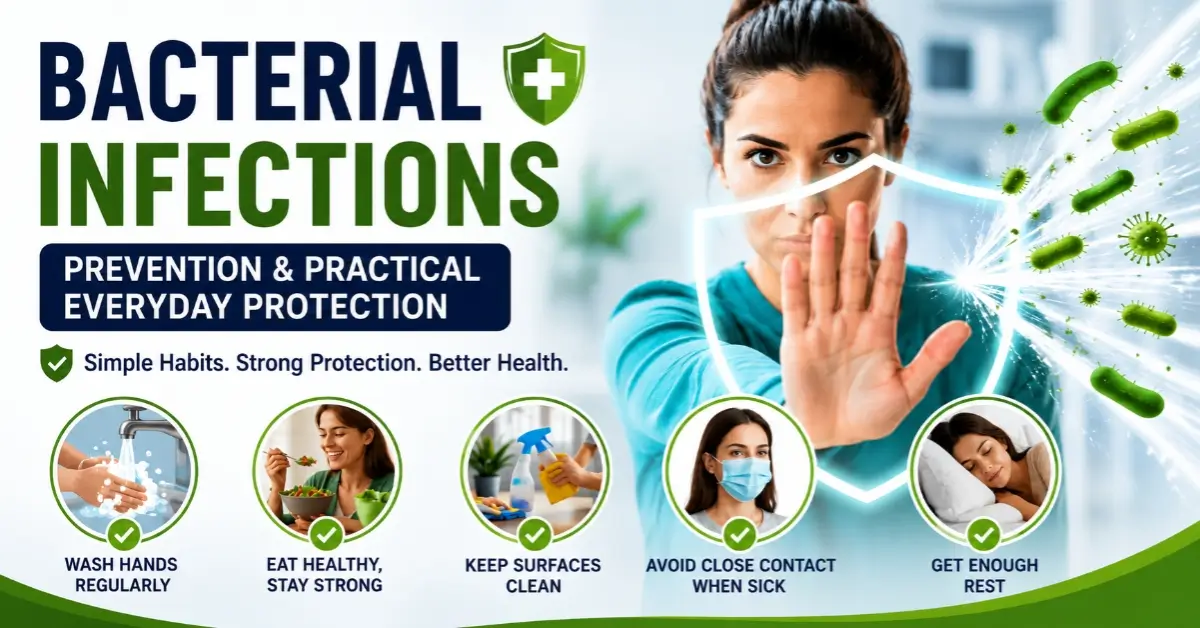
Handwashing remains one of the most effective methods of bacterial infections prevention. Many harmful bacteria spread when contaminated hands touch food, surfaces, eyes, nose, or mouth. Washing hands with soap and clean water for at least 20 seconds removes many disease-causing organisms before they can enter the body. Important times to wash hands include before eating, after using the restroom, after handling raw meat, after coughing or sneezing, and after returning home from public places.
When soap and water are unavailable, alcohol-based hand sanitizers can provide temporary protection. However, proper handwashing remains the gold standard. Parents should teach children good hand hygiene early because these habits often continue throughout life. Communities that promote regular handwashing frequently experience lower rates of bacterial and other infectious diseases. Simple habits practiced consistently often provide the strongest protection. Good nutrition also supports these efforts by helping the immune system function effectively. Learn more in our guide on Balanced Diet Plan, which highlights how healthy eating strengthens the body’s natural defenses.
Frequently Asked Questions (FAQ)
What are the most common ways bacterial infections spread?
Bacterial infections spread mainly through contaminated food, unsafe water, direct contact, poor hygiene, and sometimes from surfaces. Simple prevention steps such as handwashing, food safety, and clean environments lower these risks.
How can I prevent foodborne bacterial infections?
Wash hands before cooking, clean surfaces, cook meat and eggs properly, and refrigerate leftovers quickly. Avoid spoiled food and use safe water. Following these steps prevents Salmonella, E. coli, and other foodborne bacteria.
Do antibiotics prevent bacterial infections?
No. Antibiotics treat bacterial infections but do not prevent them. In fact, misuse of antibiotics makes bacteria resistant, which creates larger problems. Prevention relies on hygiene, immunity, and responsible use of medicine.
How does exercise help in bacterial infection prevention?
Regular exercise improves blood flow and strengthens immune defenses. Activities like running, walking, or structured routines support resilience. For example, daily running and holistic exercise reduce stress and prepare the body to fight bacteria more effectively.
Who is most at risk of bacterial infections?
Infants, older adults, people with weakened immune systems, and individuals with chronic illnesses such as diabetes or cancer face a higher risk of bacterial infections and should take extra preventive measures.
Educational content only; not a substitute for medical advice. For emergencies, seek professional care immediately.