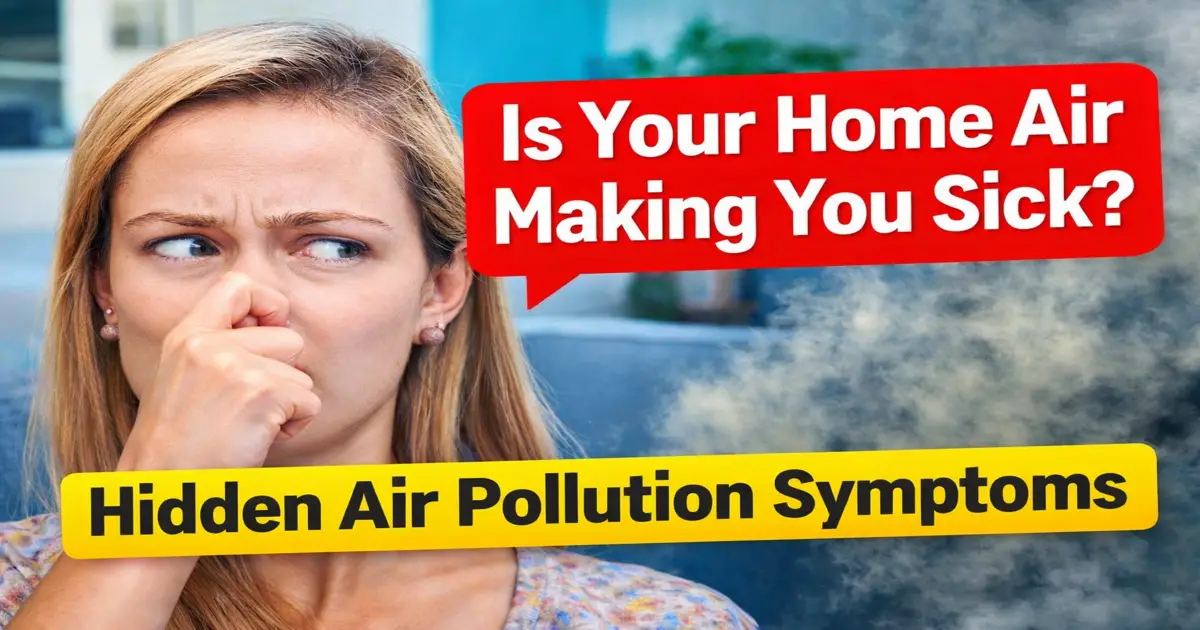
Home Indoor Air Pollution Symptoms Checklist: Hidden Health Risks You Must Know
Understanding Home Indoor Air Pollution Symptoms Checklist
What Is Indoor Air Pollution?
The home indoor air pollution symptoms checklist helps identify hidden health problems caused by polluted indoor air. Many people think pollution only exists outside, but indoor air can be even more dangerous. Dust, smoke, chemicals, and poor ventilation all contribute to unhealthy air inside homes. These pollutants come from everyday sources like cooking, cleaning products, and even furniture. When air circulation is poor, these harmful particles build up over time. This can affect your lungs, skin, and overall health without you even noticing. Understanding indoor pollution is the first step toward prevention. By learning about these hidden risks, you can take action to improve your home environment. Clean indoor air is essential for maintaining long-term health and preventing serious conditions.
Why Indoor Air Quality Matters for Health
The home indoor air pollution symptoms checklist highlights how poor air quality directly impacts your health. Breathing polluted air daily can weaken your immune system and increase the risk of infections. Children and elderly people are especially vulnerable because their bodies are more sensitive. Poor indoor air can cause headaches, fatigue, and breathing problems. It can also worsen existing conditions like asthma and allergies. Maintaining clean air is important for protecting your family’s health. Simple steps like opening windows and using proper ventilation can make a big difference. A healthy indoor environment supports better sleep, improved focus, and stronger immunity. Ignoring air quality issues can lead to long-term health problems that are difficult to treat.
Common Symptoms You Should Not Ignore
The home indoor air pollution symptoms checklist includes several warning signs that people often ignore. These symptoms may seem minor at first but can indicate serious problems. Common signs include constant coughing, sneezing, headaches, and dizziness. You may also notice irritation in your eyes, nose, or throat. Fatigue and difficulty concentrating are also linked to poor air quality. In children, symptoms may include frequent illness or low energy levels. If you notice these signs regularly, your indoor environment may be affecting your health. Early awareness helps you take action before the condition becomes worse. Ignoring these symptoms can lead to chronic respiratory issues and other health complications over time.
Main Causes and Prevention of Indoor Air Pollution

Major Sources of Indoor Pollution
The home indoor air pollution symptoms checklist identifies common sources that contribute to indoor pollution. Cooking smoke, tobacco smoke, and household chemicals are major contributors. Cleaning products often release harmful fumes that affect air quality. Mold and damp areas also produce harmful spores that can cause breathing problems. Poor ventilation traps these pollutants inside the home. Even air fresheners and scented products can contain chemicals that harm your health. Understanding these sources helps you reduce exposure and improve air quality. Being mindful of what you use inside your home can protect your family from hidden dangers.
How to Improve Indoor Air Quality
The home indoor air pollution symptoms checklist also focuses on simple ways to improve indoor air. Proper ventilation is the most effective method. Opening windows regularly allows fresh air to circulate and removes harmful pollutants. Using exhaust fans while cooking can reduce smoke buildup. Keeping your home clean and dust-free also helps improve air quality. Indoor plants can naturally filter toxins and improve oxygen levels. Avoiding harsh chemicals and switching to natural cleaning products is another useful step. Small changes in daily habits can make a big difference in maintaining a healthy indoor environment. Consistency is key when it comes to improving air quality.
Protecting Children and Family Health
The home indoor air pollution symptoms checklist is especially important for protecting children and family members. Children are more sensitive to polluted air because their lungs are still developing. Poor indoor air can lead to frequent illnesses and weak immunity. You can learn more about keeping your family safe by following this helpful guide on daily infection prevention routine. Supporting your child’s health is also essential, and this guide on child immune system support can help you build stronger immunity. Maintaining clean air at home reduces the risk of infections and improves overall wellbeing. Taking preventive steps today can protect your family from serious health problems in the future.
When to Take Action and Seek Help
The home indoor air pollution symptoms checklist reminds you to take action when symptoms become frequent or severe. If you or your family members experience ongoing respiratory issues, it is important to address the problem immediately. In some cases, indoor pollution can lead to fever or infections, especially in children. You can manage early symptoms at home by following this guide on child fever management at home. Mental health can also be affected by poor environments, so understanding emotional changes is important. This article on emotional numbness symptoms explains how your surroundings can impact your wellbeing. Taking early action can prevent serious complications and help you maintain a healthier living space.

FAQs
What are common symptoms of indoor air pollution?
Common symptoms include coughing, headaches, dizziness, eye irritation, fatigue, and breathing problems.
Why is indoor air pollution dangerous?
Indoor air pollution can weaken the immune system, cause respiratory issues, and increase the risk of chronic diseases.
How can I improve air quality at home?
You can improve air quality by opening windows, using exhaust fans, avoiding harmful chemicals, and keeping your home clean.
Who is most affected by indoor air pollution?
Children, elderly people, and individuals with respiratory conditions are most affected by indoor air pollution.
Can indoor air pollution cause long-term health problems?
Yes, long-term exposure can lead to chronic respiratory diseases, heart issues, and weakened immunity.
When should I consult a doctor?
You should consult a doctor if symptoms like breathing difficulty, persistent cough, or fatigue continue for a long time.




گینر مای پروتئین، یک مکمل غذایی با کالری و کربوهیدرات
بالا است که برای ورزشکاران، بدنسازان و
افرادی که به سختی وزن اضافه میکنند
طراحی شده است.