Emotional Numbness Symptoms: Hidden Signs of Depression Many People Ignore
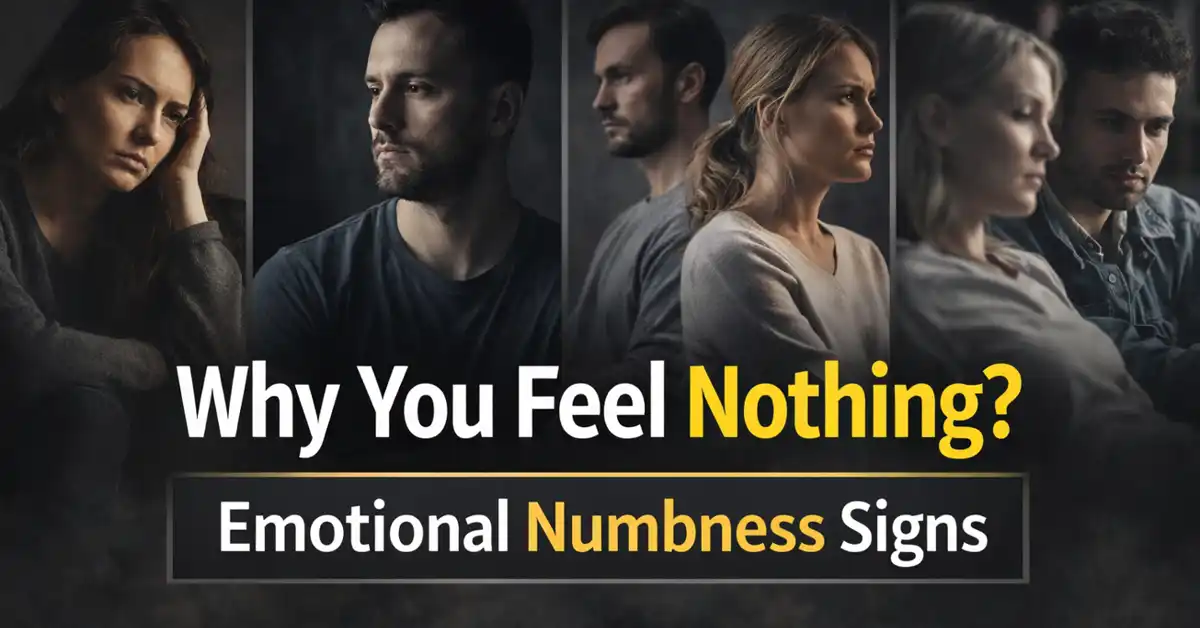
Many people assume depression always means sadness, but that is not always true. In many cases, people experience emotional numbness symptoms instead of obvious sadness. Emotional numbness means feeling disconnected from emotions, relationships, or daily experiences. A person may continue working, talking, and living normally while internally feeling empty or emotionally distant. This can be confusing because the outside life appears normal while the inside emotional world feels quiet or flat. Emotional numbness symptoms can appear during periods of intense stress, trauma, or long-term emotional exhaustion. Mental health specialists explain that sometimes the brain reduces emotional intensity as a protective response when a person feels overwhelmed. Recognizing emotional numbness symptoms early helps individuals understand their emotional health and encourages them to take supportive steps toward improving mental wellbeing.

Understanding Emotional Numbness and Why It Happens
Emotional Disconnection From Daily Life
One of the most noticeable emotional numbness symptoms is the feeling of emotional disconnection from daily life experiences. Activities that once created excitement or happiness may suddenly feel neutral or uninteresting. People sometimes describe it as watching life happen instead of actively feeling part of it. Emotional responses become weaker, and moments that normally trigger joy or sadness may feel emotionally flat. This emotional distance does not always mean someone does not care about their life or relationships. Instead, it often reflects emotional overload or mental fatigue. When the brain processes too much stress or emotional pressure for a long time, it may temporarily reduce emotional reactions to protect the mind. Understanding this response can help individuals realize that emotional numbness symptoms are signals that emotional health needs attention and care.
Another common sign is losing emotional connection with people or activities that were once meaningful. Individuals may still spend time with family or friends but feel internally distant from those interactions. They might smile, talk, and participate in conversations while feeling emotionally detached inside. This experience can create confusion because everything outwardly appears normal while internally there is a sense of emptiness. Emotional numbness symptoms sometimes appear gradually, making them difficult to notice at first. Over time, the person may realize that emotional reactions are weaker than before. Recognizing these subtle changes helps people become more aware of their mental state and encourages them to seek supportive routines that improve emotional balance and psychological wellbeing.
Loss of Motivation and Emotional Energy
Loss of motivation is another sign that may appear with emotional numbness symptoms. Individuals may still complete daily responsibilities, but they often feel mentally tired or emotionally drained while doing so. Tasks that once felt meaningful may start to feel automatic or mechanical. The person might continue working, studying, or managing responsibilities while internally feeling disconnected from the purpose behind those activities. This lack of emotional energy can also affect creativity and enthusiasm. When emotional engagement decreases, the brain may struggle to find motivation for hobbies or personal interests. Over time, emotional numbness symptoms can influence how individuals perceive their goals and relationships. Paying attention to these changes can help people recognize when emotional exhaustion is affecting their daily life and mental health.
Emotional numbness symptoms can also appear alongside physical and mental fatigue. Individuals often report feeling mentally foggy or having difficulty concentrating on tasks that previously felt easy. Emotional disconnection may make decision-making harder because feelings often guide choices and motivation. When emotional signals become weaker, people may feel uncertain about what they truly want or value. This experience can create frustration because the person knows something feels different but cannot easily explain the change. Recognizing emotional numbness symptoms early allows individuals to explore supportive habits such as rest, stress reduction, and emotional awareness practices that help restore balance and reconnect them with their emotional experiences.
Long-term stress can sometimes contribute to emotional numbness symptoms as well. When the body remains under constant pressure, stress hormones can affect emotional processing and reduce emotional responsiveness over time. 1 This protective reaction may help the mind cope temporarily, but prolonged emotional shutdown can affect relationships and overall wellbeing. Understanding the connection between stress and emotional numbness helps people recognize why emotional balance is important. Healthy routines such as regular exercise, balanced nutrition, and supportive relationships help restore emotional stability. These habits allow the mind to gradually reconnect with emotions and rebuild healthy psychological resilience.
How Emotional Numbness Connects to Depression
Hidden Depression and Emotional Shutdown
Many people are surprised to learn that emotional numbness symptoms can be linked to hidden forms of depression. Instead of feeling intense sadness, individuals may feel emotionally empty or disconnected from their feelings. This type of depression can be difficult to recognize because the person may continue functioning normally in daily life. They may go to work, talk with friends, and complete responsibilities while quietly experiencing emotional emptiness. Mental health specialists often describe emotional numbness as a signal that the brain is overwhelmed and temporarily reducing emotional intensity. 2 Recognizing emotional numbness symptoms can therefore help individuals notice early emotional changes before more serious mental health challenges develop.

Emotional numbness symptoms may also affect relationships because emotions help people connect with others. When emotional responses become weaker, communication and empathy can feel more difficult. Individuals may feel frustrated because they know they care about loved ones but cannot fully express those emotions. Over time this emotional distance can influence social interactions and personal confidence. Learning to recognize emotional numbness symptoms helps individuals understand that emotional changes often have underlying causes such as stress, exhaustion, or depression. Awareness encourages people to seek supportive strategies that restore emotional connection and strengthen mental health resilience.
Steps Toward Rebuilding Emotional Balance
Recovering emotional balance usually begins with small changes in daily habits and emotional awareness. Healthy routines such as physical movement, balanced nutrition, and restful sleep support the brain’s emotional regulation system. For example, following simple lifestyle strategies described in daily habits for chronic disease management can improve both physical and emotional health over time. When the body becomes healthier and stress levels decrease, emotional responsiveness often improves as well. These lifestyle changes provide the foundation for rebuilding emotional connection and mental wellbeing.
Relationships also play an important role in emotional recovery. Supportive conversations with trusted friends, family members, or counselors allow individuals to share feelings that may have been suppressed for a long time. Emotional expression helps release mental tension and reconnect people with their inner emotional world. Articles such as love and health highlight how emotional connections and supportive relationships strengthen overall wellbeing. When people feel understood and supported, emotional numbness symptoms often become easier to manage and gradually improve.
Finally, emotional awareness should include paying attention to broader health signals as well. Physical symptoms, lifestyle stress, and mental health patterns are often connected. Recognizing warning signs explained in early cancer symptoms checklist reminds individuals that overall health awareness is essential. Emotional wellbeing is deeply connected with physical health, and maintaining both together supports a balanced life. By understanding emotional numbness symptoms and responding with awareness, people can gradually rebuild emotional energy and restore a stronger connection with their lives.
Frequently Asked Questions
What are emotional numbness symptoms?
Emotional numbness symptoms include feeling disconnected from emotions, losing interest in activities, difficulty feeling happiness or sadness, and experiencing mental fatigue or emotional emptiness.
Can emotional numbness be a sign of depression?
Yes, emotional numbness can be linked to depression. Instead of sadness, some people experience emotional emptiness or lack of feeling, which can be a hidden sign of depression.
What causes emotional numbness?
Common causes include chronic stress, trauma, anxiety, depression, emotional burnout, and sometimes medication side effects. These factors can affect how the brain processes emotions. 0
How does emotional numbness affect daily life?
People experiencing emotional numbness may feel disconnected from relationships, lose motivation, or struggle to enjoy activities that once brought happiness.
Can emotional numbness be treated?
Yes, emotional numbness can improve through stress management, healthy lifestyle habits, therapy, emotional awareness, and supportive social connections.
When should someone seek help for emotional numbness?
If emotional numbness symptoms continue for several weeks or begin affecting relationships, work, or daily life, it is recommended to consult a mental health professional.