Early Cancer Risk Factors Checklist: A Complete Prevention Guide
Understanding Early Cancer Risk Factors Checklist
The early-cancer-risk-factors-checklist is an essential guide for people who want to understand how cancer develops and what warning signs to watch for. Many people ignore small health issues, but these can be early signals of serious conditions. Cancer does not appear suddenly. It grows slowly due to different factors such as unhealthy lifestyle habits, environmental exposure, and genetic risks. This checklist helps you become more aware of these factors so you can take action early. Awareness plays a powerful role in prevention because when you understand risks, you can avoid them. Early detection is also very important, as it increases the chances of successful treatment. By following this checklist, you can identify harmful patterns in your daily routine and improve them. It also helps you stay alert about changes in your body. Taking simple steps today can protect your health in the future and reduce the risk of developing cancer over time.
Lifestyle Habits That Increase Cancer Risk
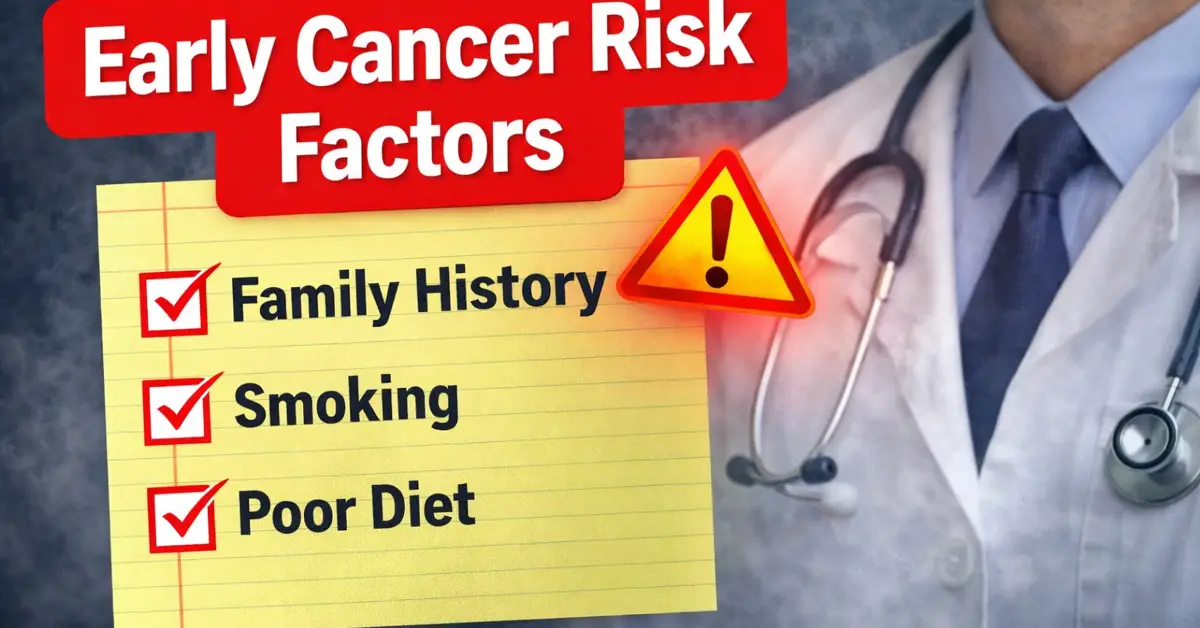
The early-cancer-risk-factors-checklist clearly highlights how daily lifestyle habits can increase cancer risk. Smoking is one of the biggest causes of cancer, especially lung cancer, and it affects millions of people worldwide. Alcohol consumption also increases the risk of liver, throat, and mouth cancers. Lack of physical activity leads to obesity, which is strongly linked to several types of cancer. Poor sleep patterns and high stress levels weaken the immune system, making it harder for the body to fight harmful cells. Unhealthy eating habits, such as consuming processed food and sugary drinks, also contribute to increased risk. Making small but consistent changes in your lifestyle can significantly improve your health. For example, regular exercise can strengthen your body and reduce risks. You can learn more about building a healthier routine by reading this guide on benefits of daily exercise. These changes may seem simple, but they can have a powerful long-term impact.
Environmental and External Risk Factors
The early-cancer-risk-factors-checklist also includes environmental factors that many people overlook in their daily lives. Exposure to air pollution, harmful chemicals, and radiation can increase cancer risk over time. People working in industries such as construction or factories are often exposed to dangerous substances without realizing their long-term impact. Even sunlight can be harmful if proper protection is not used, leading to skin cancer. Using sunscreen, wearing protective clothing, and avoiding toxic environments are important steps for prevention. Clean air and safe drinking water also play a major role in maintaining good health. Being aware of your surroundings helps you avoid hidden risks that can damage your body slowly. Small precautions like reducing exposure to harmful substances can protect your health. Environmental safety is an important part of cancer prevention and should never be ignored if you want to stay healthy for the long term.

Genetic and Medical Risk Factors
The early-cancer-risk-factors-checklist includes genetic and medical factors that may increase your chances of developing cancer. If cancer runs in your family, your risk may be higher compared to others. Certain chronic diseases such as diabetes and long-term inflammation can also contribute to cancer development. Infections like HPV and hepatitis are linked to specific types of cancer if left untreated. Regular medical checkups are important to identify potential risks early. Screening tests can help detect cancer before symptoms appear, making treatment easier and more effective. While you cannot change your genetic makeup, you can manage your health through proper care and awareness. Staying informed about your medical history helps you take preventive steps. Doctors often recommend tests based on your age and risk level, so following medical advice is very important for long-term health protection.
Diet and Nutrition Risks
The early-cancer-risk-factors-checklist shows that diet plays a crucial role in cancer prevention. Eating too much processed food, sugar, and unhealthy fats can increase the risk of cancer. Obesity caused by poor eating habits is strongly linked to several types of cancer, including breast and colon cancer. On the other hand, a healthy diet rich in fruits, vegetables, and whole grains helps protect your body. Antioxidants found in natural foods fight harmful cells and reduce inflammation. Drinking enough water and avoiding junk food can improve your overall health. Making better food choices is one of the easiest ways to reduce cancer risk naturally. If you want to improve your eating habits, you can explore this helpful guide on healthy diet plan for weight loss. A balanced diet not only protects your body but also improves your energy and overall wellbeing.
Early Warning Signs You Should Never Ignore
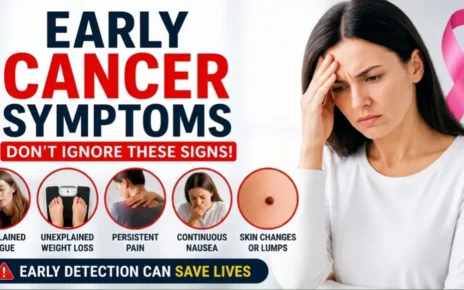
The final part of the early-cancer-risk-factors-checklist focuses on early warning signs that people often ignore. Symptoms like unexplained weight loss, constant fatigue, unusual lumps, or changes in skin appearance should never be overlooked. Persistent cough, difficulty swallowing, or long-lasting pain may also indicate serious health issues. Early detection greatly increases the chances of successful treatment, which is why paying attention to your body is very important. Regular screenings and self-checks can help you detect problems early. Many people delay medical consultation, which can make the situation worse. Being aware and taking quick action can save lives. This checklist helps you stay alert and encourages you to take your health seriously. By understanding these warning signs and acting early, you can protect yourself and reduce the risk of developing severe health conditions in the future.
FAQs
What is an early cancer risk factors checklist?
It is a list of common lifestyle, environmental, and medical factors that can increase your chances of developing cancer.
Can lifestyle changes reduce cancer risk?
Yes, healthy habits like exercise, balanced diet, and avoiding smoking can significantly lower cancer risk.
How important is early detection of cancer?
Early detection increases treatment success and helps prevent cancer from spreading.
Does diet affect cancer risk?
Yes, unhealthy diets increase risk, while fruits and vegetables help protect against cancer.
When should I see a doctor for cancer symptoms?
You should consult a doctor if you notice unusual symptoms like lumps, weight loss, or long-lasting pain.