Child Fever Management at Home: Safe and Simple Ways to Care for Your Child
Child fever management at home is one of the most important concerns for parents, especially when children suddenly develop high temperature. Fever is not a disease but a natural response of the body fighting infection. Many parents feel worried when their child becomes warm or uncomfortable, but understanding how to manage fever properly can reduce stress and improve care. A mild fever often helps the immune system respond to viruses and bacteria more effectively. However, knowing when to take action is important. Parents should observe symptoms carefully and provide supportive care. Child fever management at home focuses on comfort, hydration, and monitoring changes so that children recover safely without unnecessary complications.
Understanding Fever in Children
Fever in children usually happens when the body detects infection. The immune system raises body temperature to slow down the growth of harmful microorganisms. This process is natural and often beneficial, but it can make children feel tired, irritable, and weak. Most childhood fevers are caused by viral infections such as cold or flu, but bacterial infections can also be responsible. Parents should not panic immediately but instead understand the reason behind the fever. Recognizing how fever works helps parents stay calm and provide better care. Child fever management at home begins with awareness and understanding of how the body responds during illness.
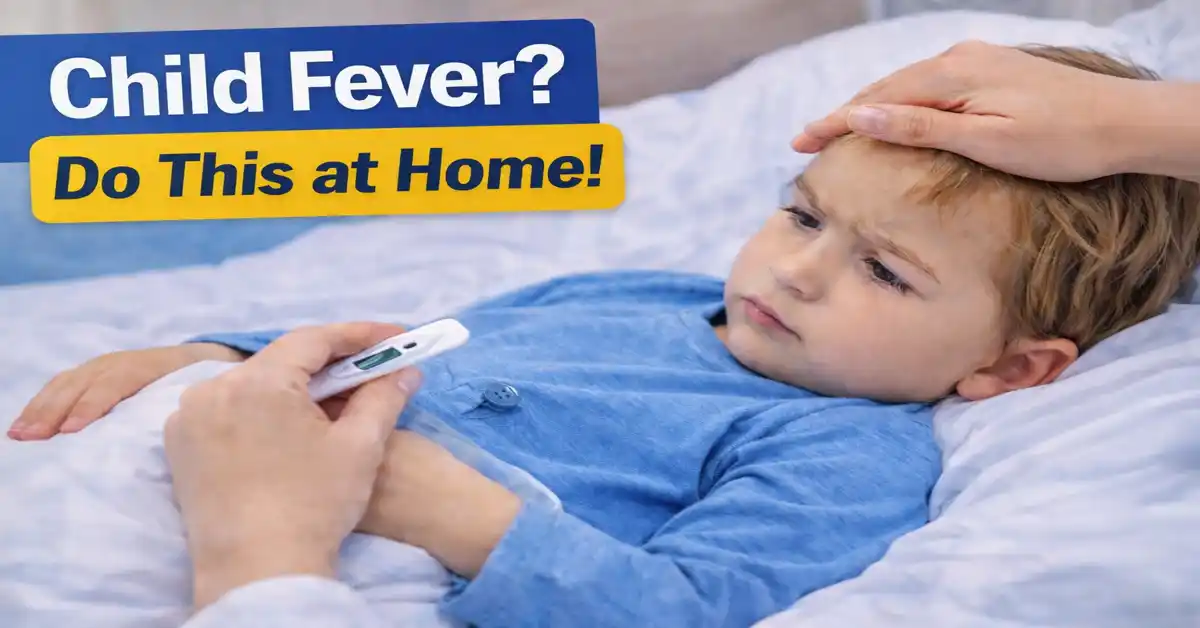
Temperature measurement is an important part of managing fever. Using a reliable thermometer helps determine whether the fever is mild, moderate, or high. A temperature above normal range indicates that the body is actively fighting infection. Parents should check temperature regularly and monitor any sudden increases. Observing additional symptoms such as cough, vomiting, or weakness helps provide a clearer picture of the child’s condition. Accurate monitoring allows parents to decide whether home care is sufficient or if medical attention is required. This step plays a key role in effective child fever management at home.

Simple Home Care Methods
One of the most effective ways to support child fever management at home is by keeping the child well hydrated. Fever can lead to fluid loss through sweating, which may cause dehydration if not managed properly. Giving water, soups, or oral fluids helps maintain hydration and supports the body’s recovery process. Light and nutritious food can also help provide energy without putting stress on the digestive system. Children should not be forced to eat heavily, but offering small portions regularly helps maintain strength. Proper hydration and nutrition play a key role in helping the body fight infection naturally.
Comfort is equally important during fever. Dressing the child in light clothing and maintaining a cool room environment can help regulate body temperature. Overheating the child with heavy blankets should be avoided because it can increase discomfort. Lukewarm sponging may help reduce temperature gently, but cold water should not be used as it may cause shivering. Rest is essential, as the body needs energy to recover. Allowing the child to sleep and relax helps speed up healing. These simple steps are essential for effective child fever management at home and help reduce discomfort during illness.

When to Be Concerned
Although most fevers are mild and manageable, some situations require careful attention. If a child has a very high fever, persistent vomiting, breathing difficulty, or unusual behavior, parents should consider seeking medical advice. Infants and very young children require extra care because their immune systems are still developing. Monitoring symptoms closely helps identify when home care is no longer enough. Understanding warning signs allows parents to act quickly and prevent complications. Child fever management at home is effective only when symptoms remain mild and manageable.
Parents should also watch for signs of underlying health conditions. If fever continues for several days without improvement, it may indicate a more serious issue. Information about early health warning signs can help parents stay alert. For example, guidance provided in early signs of weak immunity in children explains how repeated illness can signal deeper health concerns. Recognizing these patterns helps parents take better care of their child’s health and seek timely medical attention when necessary.
Building Strong Immunity for Prevention
Preventing frequent fever episodes involves strengthening the child’s immune system. Healthy daily habits such as balanced nutrition, regular sleep, and physical activity play a major role in improving immunity. Children who maintain strong immune systems are less likely to experience frequent infections. Encouraging outdoor play and healthy routines helps build resilience against common illnesses. Parents should focus on long-term health rather than only treating symptoms. Prevention is always more effective than repeated treatment.
Healthy lifestyle habits also include maintaining hygiene and cleanliness. Teaching children to wash their hands regularly and avoid touching their face reduces exposure to harmful germs. These simple habits protect children from infections that often cause fever. Parents can also learn more about maintaining long-term health routines through helpful resources such as daily habits for chronic disease management, which highlight the importance of consistent health practices. By combining prevention and care, parents can improve child fever management at home and support long-term wellbeing.
Frequently Asked Questions
What is child fever management at home?
Child fever management at home involves simple care methods such as hydration, rest, temperature monitoring, and keeping the child comfortable to support recovery.
When should parents worry about a child’s fever?
Parents should seek medical advice if the fever is very high, lasts for several days, or is accompanied by symptoms like breathing difficulty or severe weakness.
How can fever be reduced safely at home?
Fever can be managed by giving fluids, ensuring rest, using light clothing, and maintaining a comfortable room temperature to help the body recover naturally.
Is fever always dangerous for children?
No, fever is usually a natural response of the body fighting infection, but monitoring symptoms is important to ensure the child remains safe.
How does hydration help during fever?
Hydration prevents dehydration caused by sweating and helps the body maintain normal functions while fighting infection.