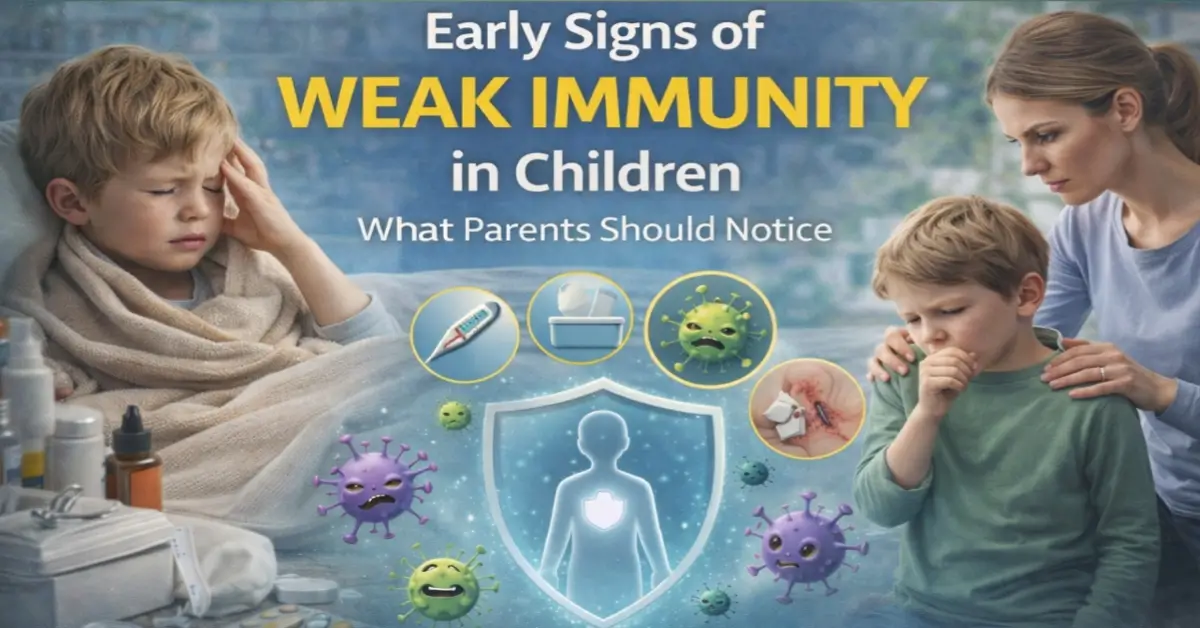
Early Signs of Weak Immunity in Children: Watch These Subtle Clues
Early signs of weak immunity in children often appear slowly and quietly, making them easy to overlook in busy family life. Parents may expect strong symptoms before worrying, yet immunity decline starts with minor patterns that most people ignore. Children with weak immunity may catch common infections more frequently, take longer to recover, or show unusual tiredness during playtime. These subtle changes might feel like normal childhood stuff, but when they persist, they reveal deeper immune challenges that require attention.
Understanding the early signs helps families act sooner, not later. Instead of waiting for severe illness, parents can recognize gradual shifts in health patterns and adjust care accordingly. Early awareness allows parents to gently strengthen their child’s immune defenses with better nutrition, rest routines, and medical guidance when needed. Recognizing these early clues is one of the best ways to protect a child’s long-term health and reduce emotional stress that comes with repeated sickness.
Awareness of early immunity changes also empowers parents to plan ahead rather than react in panic. When families learn to observe subtle health shifts and seek supportive care, children often feel more secure and confident. This creates a positive loop where care, resilience, and recovery grow together.

Physical Signs That Point to Low Immunity
Children with weak immunity often show repeated infections, slow healing, or unusual fatigue. Frequent colds, ear infections, and stomach bugs beyond what’s normal for age may indicate an immune system under stress. Some children may have pale skin or slow recovery from scrapes and bruises. Even though these signs seem small, they build a bigger picture of how the body responds to daily threats and stressors.
Sleep patterns may also change when immunity weakens. A child may need more sleep than usual or wake up feeling tired despite ample rest. Poor sleep affects immune cells and weakens defense against germs. Parents should watch for changes in sleep routines, especially when tiredness continues even after a good night’s rest.
In some cases, appetite changes accompany weak immunity. Children may eat less because their bodies feel unrested or under stress. Reduced appetite slowly affects nutrient intake and energy levels. Observation over weeks rather than days helps parents understand long-term patterns. When physical signs persist and disrupt daily life, it’s time to consider supportive care and medical evaluation rather than waiting for stronger symptoms to develop.

Emotional and Behavioral Clues of Immune Weakness
Immunity is not only physical; it impacts mood and behavior too. Children with weak immunity may feel easily irritated, emotional, or less active during daily playtime. These emotional shifts may seem normal at first but can persist over weeks, signaling deeper stress. Parents often interpret mood changes as “just a phase,” yet repeated irritability often ties back to body stress and immunity challenges.
Reduced interest in play or social activities is another quiet sign. Children with strong immune health typically engage confidently in games and interaction. When a child starts withdrawing gradually, parents should consider overall wellbeing, not only emotional stress. Gentle attention to these behavioral patterns helps families notice health issues earlier rather than later.
Sometimes emotional patterns link with physical discomfort. A child may not complain verbally, but body language such as slowness, lack of smile, or reluctance to join group play reveals fatigue. These emotional and behavioral clues build a clear pattern when observed steadily. Recognizing these signs early helps parents support emotional balance alongside physical immunity care.

Simple Daily Support to Strengthen Child Immunity
Supporting a child’s immunity begins with balanced nutrition. Food rich in vitamins, minerals, proteins, and healthy fats fuels body defenses. Families who follow routines such as low impact daily workout routine often notice that gentle activity supports circulation and overall health without exhausting the body. Balanced meals help immunity recover and function efficiently over time.
Emotional wellbeing also matters for immunity because stress hormones can weaken immune response. Parents who practice guidance like emotional self regulation skills help their children stay mentally balanced, which indirectly supports stronger body defense systems. When emotions remain steady, appetite, sleep, and energy patterns also improve.
Consistent sleep routines, frequent hydration, and gentle outdoor play contribute to stronger immunity. These simple daily steps—when practiced regularly—build not only physical resilience but emotional confidence too. Supporting immunity through everyday habits creates both wellness and peace of mind for children and parents alike.
Frequently Asked Questions
What are the early signs of weak immunity in children?
Frequent infections, constant tiredness, slow healing, poor appetite, and mood changes are common early signs of weak immunity in children.
Why does a child’s immunity become weak?
Poor nutrition, lack of sleep, stress, low physical activity, and certain medical conditions can weaken a child’s immune system over time.
How can parents naturally improve child immunity?
Balanced nutrition, proper sleep, regular outdoor activity, emotional support, and routine medical care help strengthen immunity naturally.
When should parents consult a doctor for weak immunity?
If a child experiences frequent illness, slow recovery, or long-term fatigue, medical evaluation is recommended to identify underlying causes.
Can weak immunity affect a child’s growth and learning?
Yes, repeated illness and low energy can impact physical growth, school performance, and emotional wellbeing if not addressed early.