Home First Aid for Sudden Injuries: Quick Care Everyone Should Know
1. Immediate Response to Cuts and Bleeding
Understanding the First Moments After a Cut
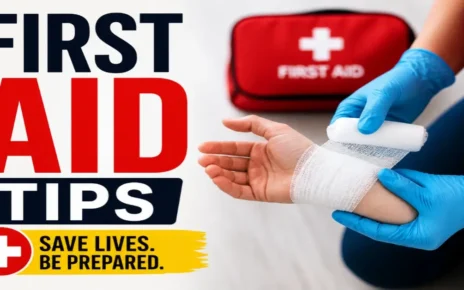
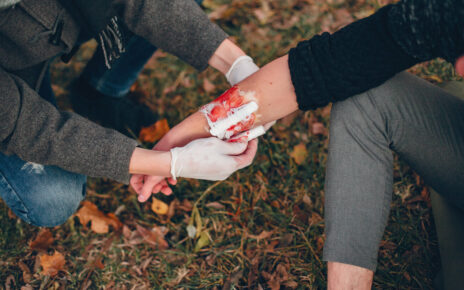
When a child or adult gets a sudden cut, how you react in the first moments can make a big difference in healing and comfort. The first step is to stay calm. Panic increases heart rate, which can make bleeding worse. Instead, gently apply **clean pressure with a cloth or sterile gauze** directly on the wound to slow down the flow. Make sure your hands are washed or use gloves if available, because hygiene matters before you touch an open injury. This simple beginning supports better healing and prevents infection.
Many people underestimate how important calmness and quick action are. During those first seconds, when the mind stays clear, you also protect emotional wellbeing — both for the injured person and yourself. If you notice the bleeding continues despite pressure, it’s a sign to seek medical care. Recognizing this early support step is part of effective **home first aid for sudden injuries**, and it builds confidence in how you handle unexpected health challenges at home.
Supplies You Need at Hand
A well-stocked first aid kit makes emergency care easier. For dealing with cuts and bleeding, keep **sterile gauze, adhesive bandages, antiseptic wipes, and medical gloves** ready. These items help you clean the wound safely and reduce the risk of infection. Antiseptic wipes or solutions like hydrogen peroxide or povidone-iodine prevent bacteria from entering open cuts, which can quickly become a larger health problem if ignored. Keeping these supplies available in a familiar place at home saves precious seconds when accidents happen.
Parents and caregivers should also check expiry dates on first aid supplies. Old or expired materials may lose effectiveness, which defeats their purpose. Regularly reviewing your kit before emergencies ensures you are ready to act confidently. This habit not only strengthens physical health preparedness but supports emotional peace of mind, because you know you can respond safely during sudden injury situations.

When to Seek Medical Help
Some cuts require medical attention rather than simple home care. Long, deep cuts, wounds that expose muscle or bone, or gashes that continue bleeding despite pressure need prompt professional treatment. Also, if the injured person feels dizzy, faint, or shows signs of infection (such as redness spreading, warmth, or fever), do not wait. These are signals that the body is struggling to handle the injury alone. At that point, seeking medical support provides safety and reduces long-term complications.
Remember, effective **home first aid for sudden injuries** is not about replacing doctors but about stabilizing the situation before proper care arrives. This early response improves outcomes and builds confidence in dealing with everyday emergencies calmly. Acting early makes it easier to manage the injury, reduces fear, and supports better healing overall.
2. Handling Sprains, Strains and Minor Bone Injuries
Recognizing Sprains and Strains Early
Sprains and strains often happen during play, sudden movement, or a fall. A sprain affects the **ligaments** (the tissues that connect bones), while a strain affects **muscles or tendons** (tissues that attach muscle to bone). Early signs include pain around a joint, swelling, tenderness, and limited movement. Children may complain of discomfort when walking or using the affected limb. This is where knowing **home first aid for sudden injuries** becomes valuable — you can support recovery by recognizing the difference between normal soreness and signs that need urgent attention.
Behavior aside, the body usually reveals clues: swelling within the first hour, difficulty putting weight on a joint, or bruising are classic signals. When a child suddenly starts limping after play, it may not be just fatigue. Observing these signs immediately helps reduce the risk of long-term damage. Taking quick, supportive action protects muscle tissue, reduces inflammation, and sets the stage for proper healing.
Action Steps: Rest, Ice, Compression, Elevation
A widely recommended method for sprains and minor bone discomfort is **R.I.C.E. (Rest, Ice, Compression, Elevation)**. Begin by minimizing movement — this prevents worsening of the injury. Then, apply a wrapped ice pack for 15–20 minutes several times in the first 24 hours. Ice reduces swelling and dulls pain. Light compression with an elastic bandage stabilizes the joint and discourages excess fluid buildup. Finally, keep the injured area elevated higher than the heart when possible — gravity helps reduce swelling and aids circulation.
R.I.C.E. does not require advanced tools — just calm, consistent care. This gentle method supports healing and keeps pain levels manageable. Families should remember that this approach is temporary and supportive, not a replacement for medical evaluation when needed. The goal of **home first aid for sudden injuries** is to protect, not to assume all sprains are mild. Always observe the child’s response to care — if pain persists despite these steps, it could be time for professional input.

Support for Recovery and Avoiding Reinjury
Recovery does not end once the pain goes away — regaining strength and flexibility matters too. After the initial swelling reduces, gentle movement supported by stretching and mobility helps restore function. Family activities like calm walks or light stretching strengthen muscles over time. Avoid rush or aggressive movements; sudden force on an already strained area can trigger repeat injury.
Sprains and minor injuries also affect emotional confidence. Children may become overly cautious or scared to play again. Encouragement, gentle reassurance, and guided recovery routines help restore both physical and emotional wellbeing. Accepting that healing takes time teaches patience and resilience — essential traits when managing everyday health challenges with care and confidence.
3. Burns, Scalds and Immediate Cooling Techniques
Quick Response to Hot Surface or Liquid Burns
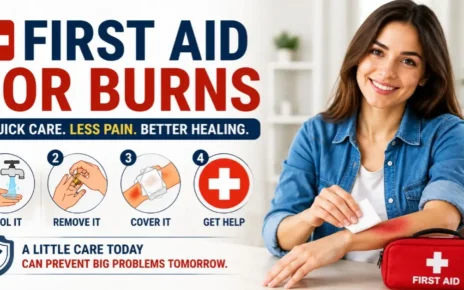
Burns from hot water, cooking spills, or contact with warm surfaces are common in homes with children. Immediate first aid is crucial and starts with cool running water. Place the burned area under **cool (not ice cold) water** for at least 10–15 minutes. This helps reduce heat and soothes nerve endings. Never use ice directly on a burn — it can further damage delicate skin tissue. Cooling the burn right away supports pain reduction and lowers the risk of deeper injury.
During this cooling phase, talk calmly to the child to distract from pain and reassure them. Emotional support matters when children feel scared or overwhelmed. Recognizing these early signs and responding calmly is part of effective **home first aid for sudden injuries**. Just a short period of cool water changes the healing pattern significantly by limiting burn depth and future scarring.
Protecting Burned Skin Safely
After cooling the burn, gently pat the area dry and cover it with a **clean, non-stick sterile dressing**. This keeps out dirt and reduces infection risk. Avoid butter, toothpaste, or oily substances — they trap heat and promote infection. Burn care is simple yet critical: clean bandages, mild breathable dressings, and reassurance help reduce pain and anxiety.
Observing the child’s comfort level and checking for signs of infection are important steps. Burns that affect large areas, blister extensively, or show darkening or pus should be assessed by a medical professional. Doing home first aid well does not replace hospital care when needed — it stabilizes the situation until proper evaluation happens.

What to Watch for After Burn Care
After initial care, watch for pain that gets worse instead of better, redness spreading away from the burn, or fever. These may indicate infection or more serious tissue damage. Children with weakened immunity or previous health issues, such as those discussed in silent vitamin deficiency symptoms , may be more vulnerable to complications and need special attention.
Also observe emotional stability. Some children feel anxious following a painful burn or injury. Awareness of emotional changes, similar to insights shared in hidden signs of mild depression , helps caregivers support both physical and emotional healing without delay.
Frequently Asked Questions
What is home first aid for sudden injuries?
Home first aid for sudden injuries includes immediate care steps like stopping bleeding, cooling burns, and supporting sprains before professional medical help is available.
When should someone seek medical help after an injury?
Medical help is necessary if bleeding does not stop, burns are severe, swelling increases, or the injured person feels dizzy or unconscious.
What items should every home first aid kit contain?
A basic kit should include sterile gauze, bandages, antiseptic wipes, gloves, scissors, burn dressing, and pain relief medication approved by a doctor.
Can proper first aid reduce recovery time?
Yes, quick and correct first aid reduces infection risk, limits damage, and helps the body heal faster and more safely.