Daily Infection Prevention Routine: Simple Habits to Protect Your Health
A daily infection prevention routine is one of the most effective ways to reduce the spread of infectious diseases. Bacteria and viruses exist in many environments including workplaces, schools, public transport, and crowded places. Without proper hygiene and awareness, these microorganisms can easily enter the body and cause illness. A daily infection prevention routine focuses on simple habits that strengthen the body’s defenses and reduce exposure to harmful pathogens. These habits include proper hygiene, healthy lifestyle choices, and environmental awareness. When practiced consistently, these behaviors significantly lower the risk of infections spreading within families and communities. Instead of relying only on treatment after illness occurs, prevention strategies help protect health before problems appear. Developing these habits creates a strong foundation for long-term health and disease prevention.
Personal Hygiene and Daily Protection
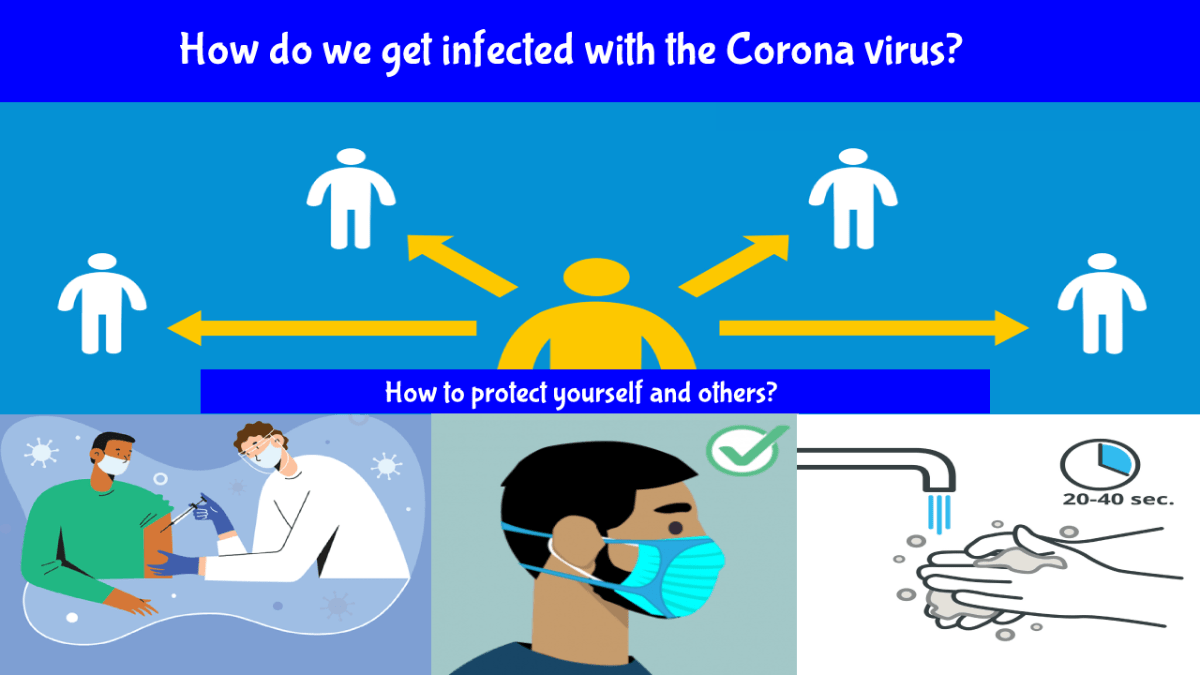
Personal hygiene is the first line of defense in any daily infection prevention routine. Washing hands with soap and water removes harmful germs that accumulate throughout the day. Many infections spread when people touch contaminated surfaces and then touch their eyes, nose, or mouth. Proper handwashing for at least twenty seconds helps reduce this risk significantly. Hygiene habits should be practiced before meals, after using the restroom, and after returning home from public places. Teaching children these habits early can help build long-term health awareness. These simple routines act as protective barriers against harmful microorganisms and reduce the chances of infection spreading.
Cleaning frequently touched surfaces is also an important part of daily protection. Objects like phones, keyboards, door handles, and kitchen surfaces can easily collect bacteria and viruses during normal use. Regular cleaning with disinfectants helps reduce these risks and maintains a healthier environment. In addition, maintaining personal items such as towels, utensils, and water bottles prevents cross contamination between family members. These hygiene practices help create a safer living space and reduce exposure to infectious agents that commonly spread through everyday contact.

Respiratory hygiene also plays a critical role in infection prevention. Covering the mouth and nose while coughing or sneezing helps stop droplets from spreading into the surrounding environment. These droplets often carry viruses responsible for respiratory infections. Using tissues or the elbow instead of bare hands reduces the risk of contamination. Practicing respiratory hygiene protects both the individual and the people nearby, making it an essential habit in public and shared spaces.
Another important habit is avoiding unnecessary face touching. The eyes, nose, and mouth serve as entry points for many viruses and bacteria. When contaminated hands touch these areas, infections can easily enter the body. Becoming aware of this common behavior helps reduce exposure to harmful pathogens. Developing this awareness strengthens daily infection prevention habits and helps maintain better health in everyday environments.
Strengthening Natural Immunity
A strong immune system is essential for maintaining an effective daily infection prevention routine. The immune system acts as the body’s natural defense mechanism, identifying and destroying harmful microorganisms before they cause illness. Balanced nutrition plays a key role in strengthening immunity. Foods rich in vitamins, minerals, and antioxidants help immune cells function effectively. Fruits, vegetables, whole grains, and protein sources provide the nutrients needed to maintain strong defenses against infections.
Regular physical activity also contributes to stronger immunity. Exercise improves blood circulation, allowing immune cells to travel more efficiently throughout the body. Even moderate activities such as walking, stretching, or light workouts can improve immune responses. Guidance on maintaining physical activity for better health can be found in exercise and fitness health benefits, which explains how movement strengthens both physical and immune health.

Sleep is another essential factor that supports immune strength. During sleep, the body produces important immune cells and repairs tissues affected by daily stress. People who maintain consistent sleep routines often experience stronger immune responses compared to those who experience sleep deprivation. Establishing a regular sleep schedule helps the body recover and remain resilient against infections.
Emotional wellbeing also influences immune function. Chronic stress can weaken immune responses and increase vulnerability to infections. Supportive relationships and healthy emotional habits help maintain psychological balance. Research shows that emotional health and physical wellbeing are closely connected, which is why maintaining mental stability helps strengthen the body’s natural defenses.
Environmental Awareness and Prevention
Environmental awareness is another important aspect of a daily infection prevention routine. Poor ventilation and crowded spaces often increase the spread of infectious diseases. Ensuring proper airflow in homes and workplaces helps reduce the concentration of airborne pathogens. Opening windows or improving air circulation can significantly improve indoor air quality and reduce infection risk.

Public health awareness also encourages individuals to recognize early warning signs of illness. Symptoms such as fever, fatigue, persistent cough, or unusual weakness may indicate infection. Learning about early health signals allows people to seek medical care before conditions worsen. Health awareness resources such as benefits of wearing masks also highlight how simple protective measures help reduce infection transmission.
Preventive health education is equally important in reducing the spread of infectious diseases. Understanding how lifestyle choices influence health helps individuals make safer decisions in daily life. Maintaining healthy blood circulation, proper diet, and stress management also contribute to long-term health protection. Information about maintaining overall health can be found in protecting yourself from high blood pressure, which explains how prevention habits improve overall wellbeing.
Ultimately, a daily infection prevention routine combines hygiene, strong immunity, and environmental awareness. These simple habits create powerful protection against infectious diseases and help individuals maintain long-term health. When practiced consistently, these behaviors reduce the spread of illness and support healthier communities.
Frequently Asked Questions
What is a daily infection prevention routine?
A daily infection prevention routine includes simple habits like handwashing, maintaining hygiene, eating healthy foods, and avoiding contact with infected individuals to reduce the risk of disease.
Why is infection prevention important?
Preventing infections helps protect individuals and communities from spreading harmful bacteria and viruses that cause illness and health complications.
How does hygiene help prevent infections?
Proper hygiene such as washing hands, cleaning surfaces, and covering coughs or sneezes helps stop germs from spreading between people.
Can lifestyle habits affect infection risk?
Yes, healthy habits such as balanced nutrition, regular exercise, proper sleep, and stress management help strengthen the immune system and reduce infection risk.
What are common daily habits to prevent infections?
Common habits include handwashing, avoiding touching the face with unclean hands, maintaining clean surroundings, and supporting immune health through healthy living.