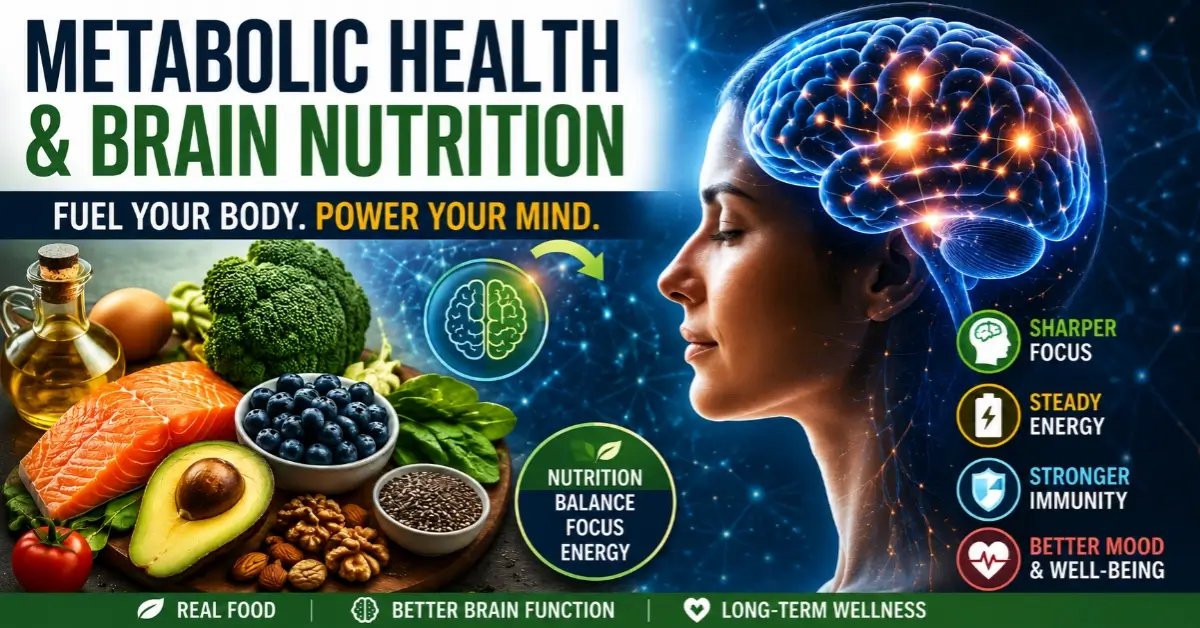
Many people think metabolism only affects weight loss or calorie burning, but the truth is far more important. Your metabolism influences nearly every process in your body, including how well your brain functions. When your metabolic health is strong, your body efficiently converts food into energy, balances blood sugar levels, regulates hormones, and delivers essential nutrients to the brain. When metabolic health declines, it can affect memory, focus, mood, energy levels, and long-term cognitive performance.
Modern lifestyles often make it difficult to maintain optimal metabolic health. Processed foods, poor sleep, chronic stress, and lack of physical activity can gradually disrupt the body’s ability to manage energy effectively. Over time, these issues may contribute to weight gain, insulin resistance, inflammation, and mental fatigue.
The good news is that improving metabolic health and brain nutrition does not require extreme changes. Small, consistent habits can significantly improve how your body and mind perform. Understanding the connection between metabolism and brain function is the first step toward building better long-term health.
What Is Metabolic Health?
Metabolic health refers to how efficiently your body processes and uses energy. A healthy metabolism helps regulate blood sugar, cholesterol levels, blood pressure, and body weight while ensuring your cells receive the fuel they need to function properly.
When metabolic health is functioning well, your body can respond effectively to meals, physical activity, and daily stress. Energy levels remain stable throughout the day, and important organs such as the heart, liver, muscles, and brain work more efficiently.
Poor metabolic health often develops gradually. Many people experience warning signs without realizing they are connected to metabolic function. Fatigue after meals, constant hunger, difficulty losing weight, sugar cravings, and low energy levels may all indicate underlying metabolic challenges.
Nutrition deficiencies can also affect metabolic performance. Essential vitamins and minerals play a critical role in energy production, hormone regulation, and cognitive health. Understanding common Vitamin Deficiency Diseases can help identify factors that may be affecting both metabolism and overall wellness.

How Metabolism Affects Brain Function
Your brain is one of the most energy-demanding organs in the human body. Although it represents only a small percentage of total body weight, it consumes a significant portion of your daily energy supply. This means your brain relies heavily on a healthy metabolism to function at its best.
Every thought, memory, emotion, and decision requires energy. When blood sugar levels become unstable or nutrient delivery is compromised, brain performance often suffers. Individuals with poor metabolic health frequently report symptoms such as brain fog, reduced concentration, forgetfulness, and mental fatigue.
Stable energy production allows the brain to maintain focus and support cognitive performance throughout the day. Healthy metabolic function also supports neurotransmitter production, which influences mood, motivation, learning, and memory.
Research increasingly shows that metabolic dysfunction may increase the risk of cognitive decline over time. This is why healthcare professionals now emphasize the importance of supporting both metabolic and brain health simultaneously rather than treating them as separate concerns.
Signs of Poor Metabolic Health
Many people associate metabolic problems only with obesity, but metabolic dysfunction can affect individuals of various ages and body types. Recognizing the warning signs early can help prevent more serious health issues later.
Common signs of poor metabolic health include:
- Frequent fatigue or low energy.
- Difficulty concentrating or brain fog.
- Increased sugar cravings.
- Unexplained weight gain.
- Difficulty losing weight despite lifestyle changes.
- Elevated blood pressure.
- Poor sleep quality.
- Increased hunger shortly after meals.
- Mood swings and irritability.
These symptoms often develop slowly and may be dismissed as part of everyday life. However, they can indicate that the body is struggling to manage energy efficiently.
Seeking professional guidance through quality Medical Care can help identify metabolic concerns before they progress into more serious health conditions.
The Brain-Metabolism Connection
Scientists now understand that the relationship between metabolism and brain health is much stronger than previously believed. The brain depends on a continuous supply of nutrients and oxygen delivered through healthy circulation and efficient metabolic processes.
Inflammation, insulin resistance, and poor dietary habits can negatively affect both metabolic health and cognitive performance. When the body’s energy systems become less efficient, the brain may receive fewer resources needed for optimal function.
Conversely, improving metabolic health often produces noticeable mental benefits. Many individuals report improved focus, better memory, more stable moods, and increased mental clarity after making positive dietary and lifestyle changes.
This growing area of research highlights why long-term wellness requires a whole-body approach rather than focusing on a single symptom or health concern.
Key Nutrients That Support Metabolic Health and Brain Nutrition
Nutrition provides the foundation for both metabolic efficiency and cognitive performance. Certain nutrients play particularly important roles in supporting energy production and brain function.
Omega-3 fatty acids found in salmon, sardines, walnuts, and flaxseeds help support brain cell structure and reduce inflammation. These healthy fats are widely recognized for their role in memory and cognitive health.
B vitamins contribute to energy production and nervous system function. Deficiencies in these nutrients may affect concentration, mood, and overall energy levels.
Magnesium supports hundreds of biological processes, including blood sugar regulation, muscle function, and brain health. Many adults do not consume enough magnesium-rich foods such as leafy greens, nuts, seeds, and legumes.
Antioxidants found in berries, colorful vegetables, and plant-based foods help protect brain cells from oxidative stress. Combined with a balanced eating pattern and proper hydration, these nutrients support both immediate and long-term health outcomes.
A well-structured eating plan such as a Healthy Diet Guide can provide practical strategies for improving nutrition while supporting metabolic and cognitive performance.

Best Foods for Metabolic Health and Brain Nutrition
The foods you eat every day directly influence how efficiently your metabolism works and how well your brain performs. Choosing nutrient-dense foods can help stabilize blood sugar levels, reduce inflammation, improve mental clarity, and support long-term health.
Fatty fish such as salmon, sardines, and trout are among the best foods for brain nutrition because they provide omega-3 fatty acids that support memory, focus, and cognitive function. These healthy fats may also help reduce inflammation that can negatively affect metabolic health.
Leafy green vegetables like spinach, kale, and broccoli provide vitamins, minerals, fiber, and antioxidants that support both brain and body function. Their nutrient density makes them valuable additions to a balanced diet.
Berries are rich in antioxidants that help protect brain cells from oxidative stress. Blueberries, strawberries, and blackberries are particularly beneficial for supporting memory and healthy aging.
Nuts and seeds provide healthy fats, magnesium, protein, and fiber. Walnuts are especially known for their brain-supporting nutrients, while chia seeds and flaxseeds contribute valuable omega-3 fatty acids.
Whole grains such as oats, quinoa, and brown rice provide steady energy rather than the rapid spikes and crashes often associated with highly processed foods. Stable energy levels support both metabolic function and mental performance throughout the day.
Lifestyle Habits That Improve Both Body and Brain
While nutrition is essential, lifestyle habits play an equally important role in metabolic health and brain nutrition. Small daily habits often produce the greatest long-term results.
Regular physical activity helps improve insulin sensitivity, support healthy body weight, and increase blood flow to the brain. Exercise also stimulates the release of chemicals that support learning, memory, and mood.
Sleep is another critical factor. During sleep, the brain processes information, repairs cells, and clears waste products. Poor sleep can negatively affect metabolism, increase cravings, and reduce cognitive performance.
Stress management is equally important. Chronic stress increases cortisol levels, which may contribute to weight gain, blood sugar imbalances, and mental fatigue. Activities such as walking, meditation, deep breathing, and spending time outdoors can help reduce stress and improve overall wellness.
Mental well-being also influences physical health. Learning more about maintaining strong emotional wellness through Mental Health strategies can support both cognitive function and metabolic balance.
Common Habits That Damage Metabolic Health
Many people unknowingly engage in daily habits that gradually harm both metabolism and brain function. Identifying these habits can help prevent future health complications.
Frequently consuming highly processed foods is one of the most common issues. These foods often contain excessive amounts of added sugars, unhealthy fats, and refined carbohydrates that contribute to blood sugar instability and inflammation.
Skipping meals may also negatively affect metabolic health for some individuals. Long periods without adequate nutrition can contribute to energy fluctuations, increased cravings, and overeating later in the day.
Sedentary lifestyles present another challenge. Spending most of the day sitting reduces calorie expenditure and may negatively affect insulin sensitivity over time.
Chronic sleep deprivation and ongoing stress can further disrupt hormone regulation and energy balance, making it more difficult to maintain optimal metabolic health.
Recognizing and correcting these habits early can significantly improve both physical and mental performance.
The Link Between Metabolic Health and Heart Health
Metabolic health affects much more than weight management. It also plays an important role in cardiovascular health. Conditions such as insulin resistance, obesity, high blood pressure, and elevated cholesterol levels can increase the risk of heart disease.
When metabolic function improves, many cardiovascular risk factors often improve as well. Better nutrition, regular exercise, quality sleep, and healthy weight management support both metabolic and heart health simultaneously.
Understanding the connection between these systems can help individuals make informed decisions about long-term wellness. Learning more about Heart Health can provide additional insight into how lifestyle choices influence cardiovascular function.
Long-Term Benefits of Improving Metabolic Health
Improving metabolic health offers benefits that extend far beyond immediate energy levels. Individuals who prioritize healthy habits often experience better concentration, more consistent energy, improved mood, and greater physical performance.
Long-term benefits may include a lower risk of type 2 diabetes, heart disease, obesity, cognitive decline, and other chronic health conditions. Many people also notice improvements in sleep quality, productivity, and overall quality of life.
Perhaps most importantly, strong metabolic health supports healthy aging. As people grow older, maintaining efficient energy production and proper nutrient utilization becomes increasingly important for preserving both physical and cognitive function.

Final Thoughts
Metabolic health and brain nutrition are closely connected. When your body efficiently processes nutrients and produces energy, your brain receives the support it needs to perform at its best. Likewise, healthy brain function can influence motivation, decision-making, and lifestyle habits that support overall wellness.
By focusing on nutrient-rich foods, regular physical activity, quality sleep, stress management, and preventive healthcare, you can strengthen both your body and mind. The goal is not perfection but consistency. Small improvements made each day can lead to meaningful long-term results.
Investing in metabolic health today may help protect your energy, focus, memory, and overall well-being for years to come. The choices you make at every meal and throughout your daily routine have the power to shape your future health.
Frequently Asked Questions
1. What is metabolic health?
Metabolic health refers to how efficiently your body converts food into energy while maintaining healthy blood sugar levels, cholesterol, blood pressure, and body weight. Good metabolic health supports overall wellness and reduces the risk of chronic diseases.
2. How does metabolic health affect brain function?
Your brain relies on a steady supply of energy and nutrients to function properly. Poor metabolic health can contribute to brain fog, fatigue, difficulty concentrating, memory problems, and reduced mental performance.
3. What foods support both metabolic health and brain nutrition?
Foods such as fatty fish, leafy greens, berries, nuts, seeds, whole grains, and healthy fats provide nutrients that support energy production, cognitive function, and long-term health.
4. Can poor metabolic health increase the risk of chronic diseases?
Yes. Poor metabolic health may increase the risk of conditions such as type 2 diabetes, heart disease, obesity, high blood pressure, and other chronic health problems if left unmanaged.
5. What lifestyle habits improve metabolic health and brain nutrition?
Regular exercise, quality sleep, stress management, proper hydration, and a balanced diet are among the most effective ways to improve both metabolic health and cognitive performance.
6. How long does it take to improve metabolic health?
The timeline varies depending on individual health conditions and lifestyle habits. Many people begin noticing improvements in energy, focus, and overall well-being within a few weeks of making consistent healthy changes.


