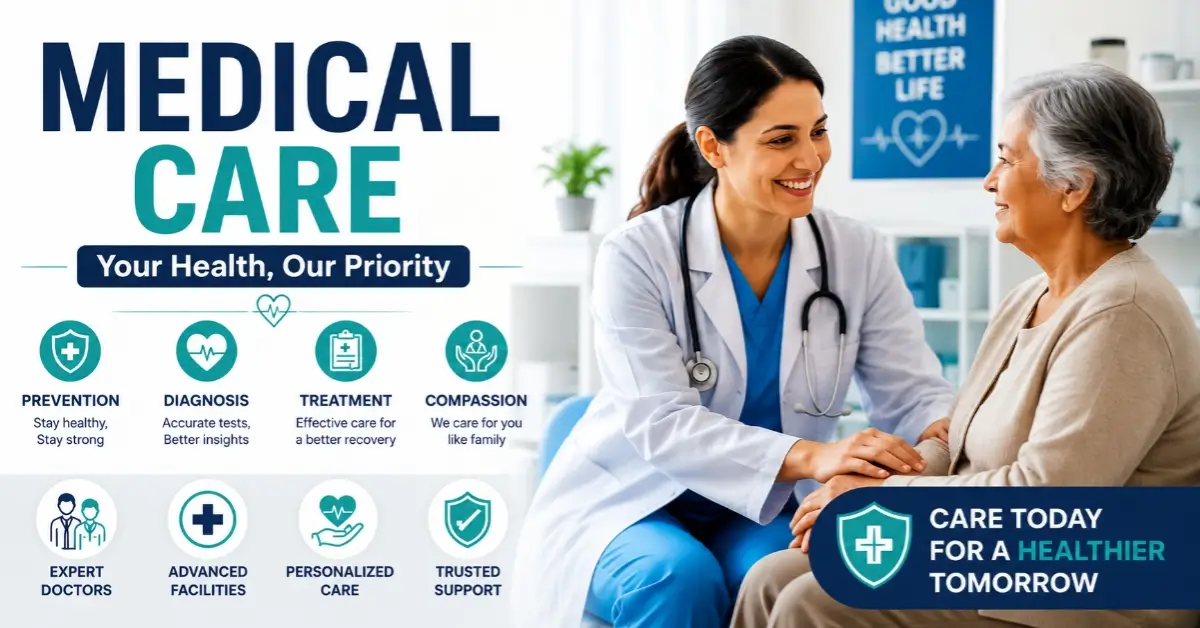
What Is Medical Care?
Medical care plays a critical role in helping people live longer, healthier, and more productive lives. It includes the prevention, diagnosis, treatment, and management of illnesses, injuries, and chronic health conditions. Whether someone needs a routine checkup, emergency treatment, mental health support, or specialized care, access to quality medical services can significantly improve health outcomes.
In countries such as the United States, United Kingdom, Canada, and Australia, healthcare systems continue to evolve to meet the growing needs of their populations. While each country approaches healthcare differently, the goal remains the same: helping people stay healthy and receive the care they need when they need it.
Modern medical care goes far beyond treating disease. It also focuses on prevention, education, mental wellness, and helping individuals make informed decisions about their health. As healthcare technology advances, patients now have more tools and resources available than ever before.
Why Medical Care Is Important
Many health problems can be prevented or treated successfully when they are identified early. Regular medical care allows healthcare professionals to detect warning signs before conditions become serious. Early diagnosis often leads to better treatment outcomes, lower healthcare costs, and improved quality of life.
Routine medical visits can help monitor blood pressure, cholesterol levels, blood sugar, weight, and other important indicators of health. These checkups provide an opportunity to identify potential risks and create a plan for maintaining long-term wellness.
Medical care also provides guidance on healthy lifestyle habits. Healthcare providers often educate patients about nutrition, exercise, sleep, stress management, and preventive health strategies that can reduce the risk of chronic disease.
A strong healthcare system benefits entire communities. Healthy populations are generally more productive, experience lower rates of disability, and place less strain on emergency healthcare services.

Different Types of Medical Care
Medical care includes a wide range of services designed to meet different healthcare needs throughout life. Understanding these services helps individuals make better healthcare decisions.
Primary Care
Primary care is often the first point of contact within the healthcare system. Family doctors, general practitioners, and primary care providers help manage common illnesses, routine screenings, vaccinations, and overall wellness. They also coordinate referrals to specialists when necessary.
Regular primary care visits help build a long-term relationship between patients and healthcare providers, allowing for more personalized treatment and better health monitoring.
Preventive Care
Preventive care focuses on avoiding illness before it develops. This includes health screenings, immunizations, lifestyle counseling, and wellness programs. Preventive healthcare can reduce the risk of serious conditions such as heart disease, diabetes, obesity, and certain cancers.
Simple habits such as maintaining a balanced diet, staying physically active, and attending annual health checkups contribute significantly to preventive care. Building healthy daily routines through proper nutrition is an important part of prevention, which is why many healthcare professionals recommend following evidence-based nutrition guidance such as a Healthy Diet Guide.
Emergency Medical Care
Emergency medical care provides immediate treatment for serious injuries and life-threatening conditions. Emergency departments handle situations such as heart attacks, strokes, severe infections, major accidents, and breathing difficulties.
Quick access to emergency services can often mean the difference between recovery and serious complications. This is why strong emergency healthcare systems remain a priority in developed nations.
Specialized Medical Care
Specialized care involves healthcare professionals with advanced training in specific areas of medicine. Examples include cardiologists, neurologists, oncologists, endocrinologists, and mental health specialists.
Patients with chronic illnesses or complex medical conditions often require specialized care to receive the most effective treatment and long-term management plans.
Common Barriers to Medical Care
Despite significant advances in healthcare, many people still face obstacles when trying to access medical services. These challenges vary between countries and communities but often share common themes.
Healthcare affordability remains a major concern, particularly in regions where insurance coverage may be limited or healthcare costs continue to rise. Even in countries with publicly funded healthcare systems, long waiting times can delay access to certain treatments and specialist services.
Geographic location can also affect access. Rural and remote communities frequently experience shortages of healthcare professionals and medical facilities. Patients may need to travel long distances to receive specialized treatment.
Health literacy presents another challenge. Many individuals struggle to understand medical information, treatment options, or preventive recommendations. Improving health education can help people make informed decisions and participate more actively in their healthcare.
Technology is helping reduce some of these barriers through telehealth services, virtual consultations, and online patient education resources, making healthcare more accessible than ever before.
The Role of Preventive Healthcare in Long-Term Wellness
Preventive healthcare has become one of the most important areas of modern medical care. Rather than waiting for illness to develop, preventive strategies focus on reducing risk factors and promoting healthy behaviors.
Healthcare providers increasingly encourage patients to take proactive steps toward better health. This includes maintaining a healthy weight, exercising regularly, avoiding tobacco products, limiting alcohol consumption, and managing stress effectively.
Heart disease remains one of the leading causes of death worldwide, making preventive cardiovascular care especially important. Regular screenings, healthy lifestyle choices, and education about risk factors can significantly improve outcomes. Learning more about Heart Health can help individuals better understand how daily habits influence long-term cardiovascular wellness.
Preventive healthcare not only improves individual well-being but also helps reduce healthcare costs by decreasing the need for expensive treatments and hospitalizations later in life.

Mental Health and Medical Care
Modern medical care is no longer focused only on physical illnesses. Mental health has become a major healthcare priority across the United States, United Kingdom, Canada, and Australia. Conditions such as anxiety, depression, chronic stress, burnout, and sleep disorders affect millions of people every year and can have a significant impact on overall well-being.
Healthcare professionals increasingly recognize the strong connection between mental and physical health. Long-term stress can contribute to high blood pressure, weakened immunity, digestive problems, and other health concerns. Likewise, chronic medical conditions can affect emotional well-being and quality of life.
Many healthcare providers now include mental health screenings during routine medical visits. Early identification allows individuals to receive support before symptoms become more severe. Counseling, therapy, lifestyle changes, and medical treatment can all play important roles in improving mental wellness.
Developing healthy coping strategies, maintaining strong social connections, staying physically active, and prioritizing sleep can help support mental well-being. Individuals looking to improve emotional health can also benefit from learning more about Mental Health and the practical habits that support long-term resilience.
How Technology Is Transforming Medical Care
Technology is rapidly changing the healthcare industry. Patients now have access to medical services that would have seemed impossible just a decade ago. Telehealth appointments, wearable health devices, mobile health applications, and electronic medical records are making healthcare more convenient and efficient.
Telemedicine became particularly valuable during recent global health challenges, allowing patients to consult healthcare professionals without leaving their homes. This has been especially helpful for people living in rural communities or those with limited mobility.
Wearable devices can now track heart rate, sleep quality, physical activity, blood oxygen levels, and other important health metrics. These tools help individuals monitor their health while providing healthcare professionals with valuable information for personalized treatment plans.
Artificial intelligence is also beginning to assist healthcare providers by helping analyze medical data, identify patterns, and support clinical decision-making. While technology will never replace healthcare professionals, it has the potential to improve accuracy, efficiency, and patient outcomes.
The Connection Between Nutrition and Medical Care
Good nutrition remains one of the most powerful tools for maintaining health and preventing disease. Healthcare professionals consistently emphasize the importance of balanced eating habits because nutrition affects nearly every system in the body.
Poor dietary choices can increase the risk of obesity, heart disease, type 2 diabetes, high blood pressure, and other chronic conditions. On the other hand, nutrient-rich foods support immune function, energy levels, cognitive performance, and overall wellness.
Medical professionals often encourage patients to adopt sustainable eating habits rather than restrictive diets. Small improvements made consistently over time can produce significant health benefits. Nutrition also plays an important role in brain function and long-term cognitive health. Understanding the relationship between food and wellness is easier when exploring topics such as Metabolic Health & Brain Nutrition.
When combined with regular medical care, healthy eating habits can significantly reduce the risk of many preventable diseases.
Tips for Getting Better Medical Care
Individuals can take several practical steps to improve their healthcare experience and achieve better health outcomes. Being proactive and engaged in your healthcare decisions often leads to more effective treatment and prevention strategies.
- Schedule routine health checkups even when you feel healthy.
- Keep an updated list of medications and health conditions.
- Ask questions if you do not understand medical advice.
- Follow recommended screening schedules.
- Maintain healthy lifestyle habits between medical visits.
- Seek medical attention early when symptoms appear.
- Use trusted healthcare resources for health information.
- Build a long-term relationship with a primary care provider.
Taking an active role in healthcare allows patients to make informed decisions and participate more effectively in treatment plans.
The Future of Medical Care
The future of medical care is expected to focus on personalization, prevention, and technology-driven solutions. Healthcare systems are increasingly shifting from treating illness after it develops to preventing disease before it occurs.
Advances in genetics, artificial intelligence, digital health monitoring, and precision medicine may allow healthcare providers to develop more individualized treatment plans. These innovations have the potential to improve outcomes while reducing unnecessary healthcare costs.
Healthcare leaders are also working to improve access, reduce disparities, and ensure that quality medical services are available to more people regardless of location or income level. As populations continue to age, healthcare systems will place greater emphasis on chronic disease management, preventive care, and healthy aging.
The combination of medical expertise, technology, and patient education will likely define the next generation of healthcare services.

Final Thoughts
Medical care is one of the most important foundations of a healthy society. From preventive screenings and primary care visits to specialized treatments and mental health support, quality healthcare improves lives every day.
While healthcare systems differ across countries, the goal remains the same: helping people live healthier, longer, and more fulfilling lives. By combining regular medical care with healthy lifestyle habits, preventive healthcare, and informed decision-making, individuals can take meaningful steps toward better long-term health.
The future of healthcare looks promising, but personal responsibility remains essential. Staying informed, seeking timely medical advice, and prioritizing wellness can make a significant difference in overall quality of life. Investing in your health today is one of the most valuable decisions you can make for your future.
Frequently Asked Questions
1. What is medical care?
Medical care refers to the prevention, diagnosis, treatment, and management of illnesses, injuries, and health conditions. It includes services provided by doctors, nurses, hospitals, clinics, and other healthcare professionals.
2. Why is regular medical care important?
Regular medical care helps detect health problems early, improves treatment outcomes, supports preventive healthcare, and reduces the risk of serious complications from chronic diseases.
3. What is the difference between primary care and specialized care?
Primary care focuses on general health needs, routine checkups, and preventive services, while specialized care is provided by medical experts who treat specific conditions such as heart disease, diabetes, or neurological disorders.
4. How does preventive healthcare reduce medical costs?
Preventive healthcare helps identify risks before they become serious health problems. Early screenings, vaccinations, healthy lifestyle habits, and routine checkups can reduce the need for expensive treatments and hospitalizations.
5. How is technology improving medical care?
Technology improves medical care through telehealth services, electronic health records, wearable health devices, and advanced diagnostic tools that help healthcare providers deliver faster and more accurate care.
6. What role does mental health play in medical care?
Mental health is an essential part of overall healthcare. Conditions such as anxiety, depression, and chronic stress can affect physical health, making mental health support an important component of comprehensive medical care.


