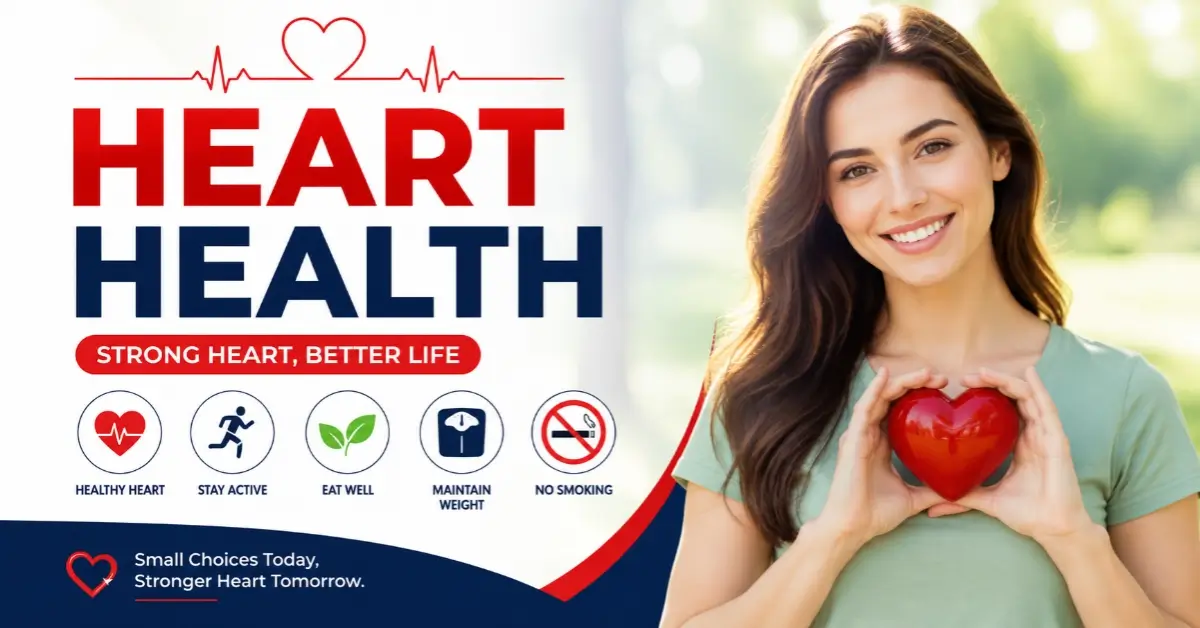
Your heart is one of the hardest-working organs in your body. Every minute of every day, it pumps oxygen-rich blood to your organs, muscles, and tissues, helping every system function properly. Despite its importance, heart health is often overlooked until a problem develops. The reality is that many heart-related conditions build slowly over time, often without obvious symptoms in the early stages.
Heart disease remains one of the leading causes of death worldwide, yet many cases are linked to lifestyle factors that can be improved. Daily habits such as food choices, physical activity, sleep quality, stress levels, and routine health monitoring all play important roles in protecting cardiovascular health.
The good news is that even small changes can have a meaningful impact. You do not need a perfect diet or intense workout routine to support your heart. Consistency matters more than perfection. Understanding the factors that influence heart health is the first step toward building a stronger and healthier future.
What Is Heart Health and Why Does It Matter?
Heart health refers to the overall condition and efficiency of your cardiovascular system, including your heart and blood vessels. A healthy heart pumps blood effectively, maintains proper circulation, and supports the delivery of oxygen and nutrients throughout the body.
When cardiovascular health declines, the risk of serious conditions such as heart attacks, strokes, high blood pressure, and heart failure increases. These conditions can affect quality of life and create long-term health challenges.
Maintaining good heart health offers benefits that extend far beyond disease prevention. People with healthy hearts often experience better energy levels, improved physical endurance, stronger mental well-being, and greater overall vitality.
Heart health also influences other areas of wellness. Healthy circulation supports brain function, kidney health, metabolism, and immune system performance. This is why healthcare professionals consistently emphasize cardiovascular wellness as a foundation of long-term health.
Major Risk Factors That Affect Heart Health
Several factors can increase the risk of developing heart disease. Some risk factors, such as age and family history, cannot be changed. However, many of the most important contributors are linked to daily lifestyle habits.
High blood pressure is one of the most significant cardiovascular risk factors. Over time, elevated pressure can damage blood vessels and place additional strain on the heart. Understanding and managing Blood Pressure is essential for protecting long-term cardiovascular health.
High cholesterol is another major concern. Excess cholesterol can build up inside arteries, reducing blood flow and increasing the risk of heart attacks and strokes. Learning how to manage High Cholesterol through healthy lifestyle choices is an important part of heart disease prevention.
Smoking, excessive alcohol consumption, obesity, physical inactivity, chronic stress, poor sleep habits, and unhealthy eating patterns can also contribute to cardiovascular problems. While these risks may seem overwhelming, many of them can be improved through gradual lifestyle changes.
Diabetes and insulin resistance can further increase cardiovascular risk because elevated blood sugar levels may damage blood vessels over time. This highlights the importance of taking a whole-body approach to health rather than focusing on a single risk factor.
The Role of Nutrition in Heart Health
Nutrition is one of the most powerful tools for protecting the heart. The foods you eat directly influence blood pressure, cholesterol levels, inflammation, body weight, and overall cardiovascular function.
A heart-friendly diet emphasizes whole, minimally processed foods. Vegetables, fruits, legumes, whole grains, nuts, seeds, and lean protein sources provide essential nutrients that support cardiovascular wellness. These foods are naturally rich in fiber, vitamins, minerals, and antioxidants that help maintain healthy blood vessels.
Healthy fats also play an important role. Foods such as salmon, sardines, walnuts, flaxseeds, olive oil, and avocados contain nutrients that support healthy circulation and may help reduce inflammation. Replacing unhealthy fats with healthier options can improve overall heart health.
At the same time, limiting highly processed foods is equally important. Many packaged products contain excessive amounts of sodium, added sugars, and unhealthy fats that may contribute to high blood pressure and weight gain.
Rather than focusing on strict diets, most healthcare professionals encourage sustainable eating habits that can be maintained long-term. Building a healthy relationship with food often produces better results than following restrictive eating plans.
Many of the principles found in Healthy Lifestyle Tips Europe emphasize simple daily habits such as eating fresh foods, staying active, reducing processed food intake, and prioritizing balance. These habits can provide significant cardiovascular benefits over time.
The Connection Between Blood Pressure, Cholesterol, and Heart Disease
Blood pressure and cholesterol are two of the most important measurements used to evaluate cardiovascular health. While they are often discussed separately, they work together in ways that significantly influence heart disease risk.
When blood pressure remains elevated, the force of blood flowing through the arteries can gradually damage vessel walls. This damage creates an environment where cholesterol deposits may accumulate more easily.
As cholesterol builds inside the arteries, blood flow becomes restricted. The heart must work harder to pump blood throughout the body, increasing cardiovascular strain. If an artery becomes severely blocked, the risk of a heart attack or stroke rises significantly.
This is why healthcare providers encourage regular screenings and routine monitoring. Many people have elevated blood pressure or cholesterol levels without noticeable symptoms. Early detection allows for timely intervention before serious complications develop.
Simple lifestyle improvements such as healthy eating, regular movement, stress management, and maintaining a healthy weight can often improve both blood pressure and cholesterol simultaneously. These small changes may reduce cardiovascular risk and support long-term wellness.
Exercise, Sleep, and Stress Management for a Healthy Heart
While nutrition provides the foundation for heart health, daily lifestyle habits often determine long-term success. Exercise, quality sleep, and effective stress management work together to support cardiovascular wellness and reduce the risk of heart disease.
Regular physical activity strengthens the heart muscle, improves circulation, and helps maintain healthy blood pressure and cholesterol levels. The good news is that you do not need to spend hours in a gym to benefit. Activities such as brisk walking, cycling, swimming, gardening, or even active household chores can contribute to better cardiovascular health.
Most health experts recommend at least 150 minutes of moderate exercise per week. Consistency is far more important than intensity. Small amounts of daily movement often provide greater long-term benefits than occasional intense workouts.
Sleep also plays a critical role in protecting the heart. During sleep, the body repairs tissues, regulates hormones, and supports cardiovascular recovery. Poor sleep may increase blood pressure, inflammation, and stress hormone levels, all of which can negatively affect heart health.
Adults should aim for seven to nine hours of quality sleep each night. Creating a consistent bedtime routine, limiting screen exposure before bed, and maintaining a comfortable sleep environment can help improve sleep quality.
Stress management is equally important. Chronic stress can contribute to unhealthy behaviors such as overeating, smoking, inactivity, and poor sleep habits. It may also directly affect blood pressure and cardiovascular function.
Simple stress-reduction practices such as walking, meditation, deep breathing exercises, reading, or spending time with loved ones can help support both mental and physical health. Individuals looking for additional ways to improve daily energy and overall wellness may benefit from the strategies discussed in Energy Boosting.
Early Warning Signs of Heart Problems
One of the challenges with heart disease is that symptoms may develop gradually. Many people ignore early warning signs because they seem minor or unrelated to the heart.
Common symptoms that should not be ignored include:
- Chest pain or discomfort.
- Shortness of breath.
- Unusual fatigue.
- Dizziness or lightheadedness.
- Rapid or irregular heartbeat.
- Swelling in the legs, ankles, or feet.
- Reduced exercise tolerance.
Women may experience different symptoms than men. Nausea, jaw pain, shoulder discomfort, back pain, and unusual fatigue may sometimes occur during cardiovascular events.
Although these symptoms do not always indicate heart disease, they should be evaluated by a healthcare professional, especially when they persist or worsen over time.
Regular health screenings are essential because many cardiovascular risk factors develop silently. Monitoring overall wellness through resources such as a comprehensive Health Conditions Guide can help individuals better understand potential health concerns and when to seek medical advice.
Healthy Aging and Long-Term Heart Protection
As people age, natural changes occur within the cardiovascular system. Blood vessels may become less flexible, metabolism can slow down, and risk factors such as high blood pressure and cholesterol often become more common.
However, aging does not automatically lead to poor heart health. Many older adults maintain excellent cardiovascular function through consistent healthy habits.
Regular exercise, balanced nutrition, routine medical checkups, stress management, and adequate sleep remain important at every stage of life. In fact, these habits often become even more valuable as people grow older.
Healthy aging focuses on preserving quality of life rather than simply extending lifespan. A strong heart allows individuals to remain active, independent, and engaged in the activities they enjoy.
The choices made during your 30s, 40s, and 50s can significantly influence cardiovascular health later in life. This highlights the importance of developing healthy habits as early as possible.
Common Heart Health Myths
Many misconceptions about heart disease continue to circulate, preventing people from taking proactive steps toward better health.
Myth 1: Heart disease only affects older adults.
While age increases risk, cardiovascular problems can affect younger adults, particularly those with unhealthy lifestyles or underlying risk factors.
Myth 2: Heart disease mainly affects men.
Heart disease affects both men and women. In fact, cardiovascular disease remains one of the leading health concerns for women worldwide.
Myth 3: If you feel healthy, your heart must be healthy.
Many risk factors such as high blood pressure and high cholesterol develop without obvious symptoms.
Myth 4: Exercise alone can offset an unhealthy diet.
Physical activity is important, but optimal heart health requires a combination of healthy eating, movement, sleep, and stress management.
Understanding the facts allows individuals to make more informed decisions and focus on habits that truly support cardiovascular wellness.
Final Thoughts
Heart health is not determined by a single choice but by the habits practiced consistently over time. Every healthy meal, walk, workout, good night’s sleep, and stress-management strategy contributes to a stronger cardiovascular system.
The goal is not perfection. Small improvements made consistently often produce the greatest long-term benefits. By paying attention to blood pressure, cholesterol levels, nutrition, physical activity, and overall lifestyle habits, individuals can significantly reduce their risk of cardiovascular disease.
Your heart works continuously to support every part of your body. Giving it the care it deserves today can help improve your energy, protect your health, and enhance your quality of life for years to come.
Frequently Asked Questions
1. What is heart health?
Heart health refers to the overall condition of the heart and blood vessels. It involves maintaining healthy blood pressure, cholesterol levels, circulation, and cardiovascular function.
2. What foods are best for heart health?
Fruits, vegetables, whole grains, legumes, nuts, seeds, fatty fish, and healthy fats such as olive oil are among the best foods for supporting cardiovascular health.
3. How much exercise is recommended for a healthy heart?
Most adults should aim for at least 150 minutes of moderate-intensity physical activity per week, along with muscle-strengthening activities on two or more days.
4. Can stress affect heart health?
Yes. Chronic stress may increase blood pressure, contribute to unhealthy lifestyle habits, and negatively affect cardiovascular function over time.
5. What are the early signs of heart problems?
Common warning signs include chest discomfort, shortness of breath, dizziness, unusual fatigue, irregular heartbeat, and swelling in the legs or ankles.
6. Can heart disease be prevented?
Many cases of heart disease can be reduced through healthy eating, regular exercise, quality sleep, stress management, avoiding tobacco, and routine medical checkups.