Blood pressure is one of the most important indicators of overall health, yet many people rarely think about it until a problem develops. Often called the “silent threat,” high blood pressure can damage the heart, blood vessels, kidneys, and brain for years without causing noticeable symptoms. By the time warning signs appear, significant health complications may already be developing.
The good news is that blood pressure is heavily influenced by daily habits. Healthy eating, regular physical activity, quality sleep, stress management, and routine health monitoring can all help support healthier numbers. Even small improvements can make a meaningful difference over time.
Understanding how blood pressure works is the first step toward protecting your heart and reducing the risk of serious health conditions. Whether your goal is prevention or better management, the right information can help you make smarter decisions for long-term wellness.
What Is Blood Pressure?
Blood pressure measures the force of blood pushing against the walls of your arteries as your heart pumps. Every heartbeat sends blood throughout the body, delivering oxygen and nutrients to organs and tissues. Blood pressure helps determine how efficiently this process occurs.
A blood pressure reading consists of two numbers:
- Systolic Pressure: The top number, representing pressure when the heart contracts and pumps blood.
- Diastolic Pressure: The bottom number, representing pressure when the heart relaxes between beats.
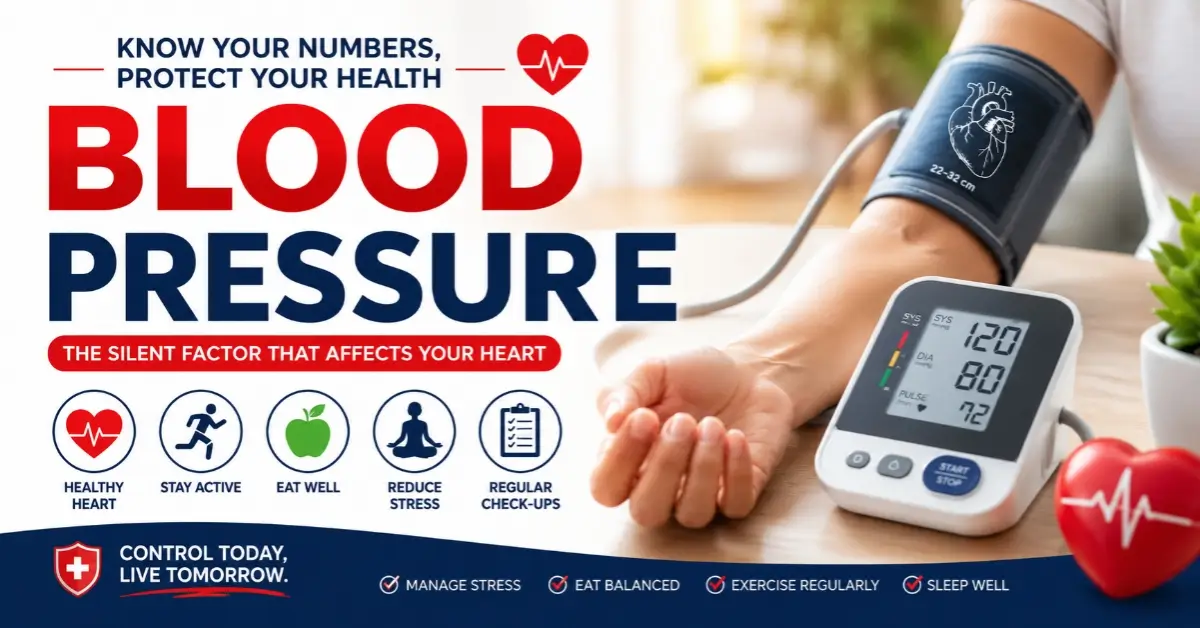
For many adults, a reading around 120/80 mmHg is considered healthy. However, blood pressure naturally changes throughout the day based on activity levels, stress, hydration, sleep, and other factors.
One elevated reading does not automatically indicate a health problem. Healthcare professionals typically look for patterns over time rather than focusing on a single measurement.
Why Healthy Blood Pressure Matters
Healthy blood pressure allows the heart and blood vessels to function efficiently. When pressure remains within a healthy range, the cardiovascular system experiences less strain, helping reduce the risk of long-term complications.
High blood pressure, also known as hypertension, forces the heart to work harder than necessary. Over time, this additional strain can damage blood vessels and increase the risk of heart disease, stroke, kidney disease, and vision problems.
What makes high blood pressure particularly concerning is that many people feel completely normal while damage slowly develops. This is one reason why routine monitoring is so important.
Blood pressure is also closely connected to overall cardiovascular wellness. Maintaining healthy numbers supports circulation, brain function, energy levels, and long-term quality of life. Individuals interested in improving overall cardiovascular wellness may also benefit from learning more about Heart Health and the habits that support a stronger cardiovascular system.
Common Causes of High Blood Pressure
Several factors can contribute to elevated blood pressure. Some risk factors cannot be changed, such as age and family history. However, many of the most important contributors are related to lifestyle choices.
Excess sodium intake remains one of the most common causes. Many processed and packaged foods contain high amounts of sodium that can contribute to fluid retention and increased pressure within the arteries.
Physical inactivity can also increase risk. Regular movement helps improve circulation, maintain a healthy weight, and support cardiovascular function. When activity levels decrease, blood pressure often becomes more difficult to manage.
Being overweight places additional strain on the heart and blood vessels. Even modest weight loss may help improve blood pressure levels for many individuals.
Chronic stress may also play a role. While stress alone does not always cause long-term hypertension, ongoing stress can contribute to unhealthy behaviors such as poor eating habits, lack of sleep, smoking, and reduced physical activity.
High cholesterol is another important consideration. When cholesterol accumulates inside blood vessels, circulation becomes less efficient and cardiovascular strain increases. Understanding how to manage High Cholesterol can support both heart health and healthy blood pressure.
Early Warning Signs and Symptoms
One of the reasons hypertension is often called a silent condition is that symptoms are frequently absent during the early stages. Many individuals discover elevated blood pressure only during routine medical appointments.
However, some people may experience symptoms when blood pressure becomes significantly elevated, including:
- Frequent headaches.
- Dizziness or lightheadedness.
- Shortness of breath.
- Blurred vision.
- Chest discomfort.
- Fatigue.
- Irregular heartbeat sensations.
Because symptoms are not always reliable indicators, regular monitoring remains the most effective way to identify potential concerns.
Seeking appropriate Medical Care and attending routine health screenings can help detect issues early before complications develop.
How Blood Pressure Affects Your Heart and Body
Blood pressure affects far more than just the heart. Over time, uncontrolled hypertension can influence multiple organ systems throughout the body.
The heart must work harder against increased resistance, which may eventually contribute to heart enlargement or heart failure. Blood vessels can become damaged, increasing the risk of cardiovascular events such as heart attacks and strokes.
The kidneys are particularly sensitive to elevated pressure because they rely on healthy blood vessels to filter waste from the bloodstream. Long-term hypertension may reduce kidney function and increase the risk of chronic kidney disease.
The brain also depends on healthy circulation. Poorly controlled blood pressure can increase the risk of stroke, memory problems, and cognitive decline later in life.
This whole-body impact demonstrates why managing blood pressure is about much more than simply achieving a specific number. It is about protecting long-term health and preserving quality of life.
The Role of Nutrition in Blood Pressure Control
Nutrition is one of the most effective tools for supporting healthy blood pressure. The foods consumed daily influence circulation, inflammation, body weight, and cardiovascular function.
Vegetables, fruits, legumes, whole grains, lean proteins, nuts, and seeds provide nutrients that support healthy blood vessels and heart function. Potassium-rich foods may help balance sodium levels and support healthy blood pressure regulation.
Reducing highly processed foods is equally important. Many convenience foods contain excess sodium, added sugars, and unhealthy fats that may negatively affect cardiovascular health.
A balanced eating pattern that emphasizes whole foods often provides better long-term results than restrictive diets. Following the principles outlined in a Healthy Diet Guide can help support both healthy blood pressure and overall wellness.
Daily Habits That Naturally Support Healthy Blood Pressure
Managing blood pressure does not always require dramatic lifestyle changes. In many cases, small daily habits practiced consistently can have a significant impact over time. The key is building routines that are realistic and sustainable.
One of the most effective habits is staying physically active throughout the day. Long periods of sitting can negatively affect circulation and cardiovascular health. Simple activities such as walking after meals, taking the stairs, stretching during work breaks, or spending time outdoors can support healthier blood pressure levels.
Hydration is another often-overlooked factor. Proper fluid intake helps the heart pump blood more efficiently and supports healthy circulation. While water alone will not cure hypertension, staying hydrated can contribute to overall cardiovascular wellness and energy levels.
Consistency matters far more than perfection. Many people focus on making extreme changes for a few weeks, only to return to old habits later. Sustainable improvements that become part of everyday life often produce the best long-term results.
Individuals looking for additional ways to improve daily wellness and energy may find practical strategies in Energy Boosting, which discusses simple habits that support both physical and mental performance.
Sleep, Stress, and Blood Pressure
Sleep and stress management are closely connected to blood pressure regulation. Poor sleep can increase stress hormones, disrupt cardiovascular recovery, and make it more difficult for the body to maintain healthy blood pressure levels.
Adults should generally aim for seven to nine hours of quality sleep each night. Establishing a consistent sleep schedule, limiting screen time before bed, and creating a comfortable sleeping environment can help improve sleep quality.
Chronic stress may also contribute to elevated blood pressure. During stressful situations, the body releases hormones that temporarily increase heart rate and blood pressure. When stress becomes a constant part of daily life, these repeated responses can place additional strain on the cardiovascular system.
Simple stress-management techniques such as deep breathing, meditation, walking, journaling, or spending time with family and friends may help reduce stress and support overall wellness.
Mental well-being and physical health are strongly connected. Learning healthy coping strategies through resources focused on Mental Health can support both emotional wellness and cardiovascular health.
Exercise and Weight Management
Regular exercise remains one of the most effective lifestyle strategies for supporting healthy blood pressure. Physical activity strengthens the heart, improves circulation, and helps maintain a healthy body weight.
Walking is one of the easiest and most accessible forms of exercise. It requires no special equipment and can be adapted to different fitness levels. Cycling, swimming, jogging, dancing, and strength training can also provide cardiovascular benefits.
Weight management is closely linked to blood pressure control. Excess body weight increases the workload placed on the heart and blood vessels. Even moderate weight loss may improve blood pressure and reduce cardiovascular risk.
Rather than focusing solely on the number on the scale, it is often more helpful to prioritize healthy habits that support sustainable progress. Consistent movement, balanced nutrition, quality sleep, and stress management often work together to improve both weight and blood pressure.
When Should You Seek Medical Help?
Regular monitoring is important because blood pressure problems often develop without noticeable symptoms. Routine health screenings help identify concerns before serious complications occur.
You should consider speaking with a healthcare professional if:
- Your blood pressure readings are consistently elevated.
- You experience frequent headaches or dizziness.
- You notice shortness of breath during normal activities.
- You have chest discomfort or irregular heartbeats.
- You have a family history of hypertension or heart disease.
Medical professionals can evaluate risk factors, recommend lifestyle changes, and determine whether additional treatment may be necessary. Early intervention often leads to better long-term outcomes.
Long-Term Prevention and Healthy Aging
Preventing blood pressure problems is often easier than treating them after complications develop. The habits practiced today can significantly influence cardiovascular health years from now.
Healthy aging involves maintaining strong circulation, supporting heart function, and reducing risk factors that contribute to chronic disease. A balanced diet, regular physical activity, healthy body weight, quality sleep, and routine healthcare visits all contribute to long-term prevention.
Blood pressure management should not be viewed as a short-term goal. Instead, it should become part of a broader commitment to overall wellness and healthy living.
When combined with strong cardiovascular habits and routine health monitoring, these lifestyle choices can help reduce the risk of heart disease, stroke, kidney problems, and other complications associated with hypertension.
Final Thoughts
Blood pressure is one of the most important measurements for protecting long-term health. Because hypertension often develops without obvious symptoms, regular monitoring and preventive habits are essential.
The encouraging news is that many of the factors influencing blood pressure are within your control. Healthy eating, physical activity, quality sleep, stress management, hydration, and routine medical care can all contribute to healthier numbers and improved cardiovascular wellness.
Small daily choices may seem insignificant at first, but they often create powerful results over time. By taking proactive steps today, you can support a healthier heart, better circulation, and a stronger future.
Frequently Asked Questions
1. What is considered a healthy blood pressure reading?
For many adults, a blood pressure reading around 120/80 mmHg is considered healthy. Individual targets may vary based on age, medical history, and overall health.
2. Can high blood pressure cause symptoms?
Many people experience no symptoms at all. However, some individuals may notice headaches, dizziness, shortness of breath, fatigue, or blurred vision when blood pressure becomes significantly elevated.
3. What foods help lower blood pressure naturally?
Vegetables, fruits, whole grains, legumes, nuts, seeds, lean proteins, and potassium-rich foods can support healthy blood pressure levels when combined with an overall balanced diet.
4. Does exercise help reduce blood pressure?
Yes. Regular physical activity strengthens the heart, improves circulation, supports weight management, and may help lower blood pressure over time.
5. How often should I check my blood pressure?
The frequency depends on your health status and medical advice. Individuals with hypertension may benefit from regular home monitoring, while others may only need periodic checks during routine healthcare visits.
6. Can stress raise blood pressure?
Yes. Stress can temporarily increase blood pressure and may contribute to unhealthy habits that affect cardiovascular health. Managing stress effectively is an important part of overall blood pressure control.


