High cholesterol is one of the most common health concerns worldwide, yet it often develops without obvious symptoms. Many people feel completely healthy until a routine blood test reveals that their cholesterol levels are higher than recommended. This is why cholesterol is sometimes described as a silent risk factor—it can gradually affect your heart and blood vessels long before you notice anything unusual.
The encouraging news is that high cholesterol is not controlled by medication alone. Daily food choices, physical activity, body weight, sleep, hydration, and other lifestyle habits all influence cholesterol levels over time. Even small improvements can support better heart health when practiced consistently.
Understanding how cholesterol works allows you to make smarter decisions before serious cardiovascular problems develop. Rather than chasing quick fixes, the goal should be creating sustainable habits that protect your heart for years to come.
Understanding Cholesterol Without the Confusion
Cholesterol is a waxy substance that your body naturally produces. It plays an important role in building cells, producing hormones, and supporting normal body functions. Problems begin when cholesterol levels become unbalanced.
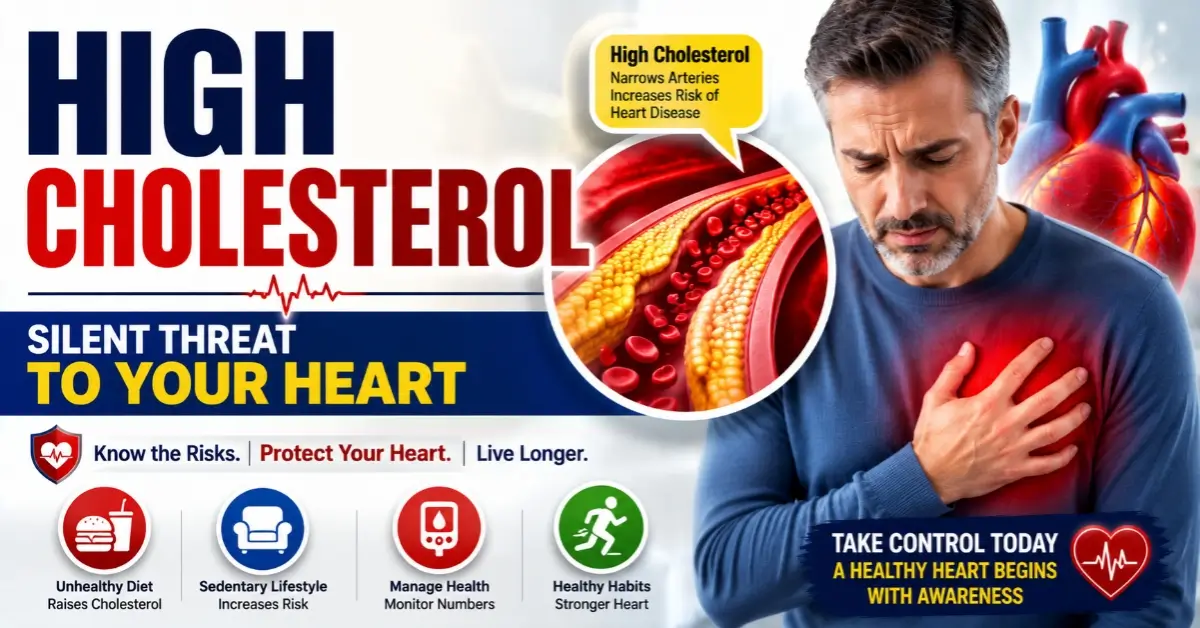
Low-density lipoprotein (LDL) is commonly known as “bad cholesterol” because excess amounts can gradually build up inside artery walls. Over time, these fatty deposits may narrow blood vessels and reduce healthy blood flow.
High-density lipoprotein (HDL), often called “good cholesterol,” works differently. It helps transport excess cholesterol back to the liver, where it can be processed and removed from the body.
Triglycerides are another important part of a cholesterol test. Elevated triglyceride levels often occur alongside high LDL cholesterol and may further increase cardiovascular risk.
The objective is not simply lowering one number. Instead, the goal is improving the overall balance between LDL, HDL, triglycerides, and other cardiovascular risk factors.
Why High Cholesterol Often Goes Unnoticed
Unlike many health conditions, high cholesterol rarely causes immediate symptoms. There is usually no pain, discomfort, or warning signal while cholesterol gradually builds inside the arteries.
This is why routine blood testing becomes so valuable. Many individuals discover elevated cholesterol during annual health examinations rather than because they felt ill.
Although cholesterol itself may not produce symptoms, long-term complications certainly can. As plaque continues to build inside blood vessels, circulation becomes less efficient. This increases the likelihood of heart attacks, strokes, and other cardiovascular diseases.
Understanding overall Heart Health can help explain why managing cholesterol is only one part of protecting the cardiovascular system. Healthy blood vessels, balanced nutrition, regular activity, and routine medical care all work together to reduce long-term risk.
Everyday Habits That Can Raise Cholesterol
Many people assume cholesterol problems are caused only by eating fatty foods. In reality, several lifestyle factors influence cholesterol levels, often working together.
Highly processed foods containing excess saturated fats, trans fats, refined carbohydrates, and added sugars may contribute to unhealthy cholesterol levels over time. Large portion sizes and frequent fast-food meals can further increase risk.
Physical inactivity also plays an important role. Regular movement helps improve HDL cholesterol while supporting healthy weight management and cardiovascular function.
Excess body weight, smoking, chronic stress, and inadequate sleep may also negatively affect cholesterol balance. Even genetics can influence cholesterol levels, which is why some physically active individuals still develop elevated cholesterol despite maintaining healthy lifestyles.
The important message is that no single habit usually causes high cholesterol. Instead, it is often the result of multiple small lifestyle factors accumulating over many years.
Food Choices That Support Healthy Cholesterol
One of the most effective ways to improve cholesterol naturally is through everyday nutrition. Rather than focusing only on foods to avoid, it is often more helpful to emphasize foods that actively support heart health.
Vegetables, fruits, oats, beans, lentils, whole grains, nuts, seeds, olive oil, and fatty fish provide nutrients that help maintain healthy cholesterol levels. Soluble fiber found in oats, barley, apples, and legumes may help reduce LDL cholesterol by limiting its absorption during digestion.
Replacing saturated fats with healthier unsaturated fats can also improve lipid balance. Simple substitutions—such as choosing olive oil instead of butter or eating fish instead of processed meats—can gradually support healthier cholesterol levels.
A balanced eating pattern is usually easier to maintain than restrictive diets. Following practical guidance from a Healthy Diet Guide can help you create sustainable eating habits that benefit both cholesterol levels and overall health.
Hydration also supports normal body function and complements healthy nutrition. While drinking water does not directly lower cholesterol, maintaining proper hydration helps support circulation, digestion, metabolism, and overall wellness. Building better hydration habits becomes much easier after understanding The Importance of Drinking Water in everyday health.
Movement Matters More Than You Think
When people hear the words “high cholesterol,” they often think only about food. While nutrition plays a major role, physical activity is equally important for maintaining a healthy cholesterol balance.
Regular movement helps increase HDL (good cholesterol), supports healthy blood flow, improves circulation, and makes it easier to maintain a healthy body weight. You don’t need intense workouts to experience these benefits. Walking, cycling, swimming, gardening, or even taking the stairs more often can all contribute to better cardiovascular health.
Health experts generally recommend at least 150 minutes of moderate physical activity each week. More importantly, choose activities you actually enjoy. A routine you can maintain for years will always be more effective than an exercise plan you abandon after a few weeks.
For many people, improving cholesterol starts with moving a little more every day rather than trying to exercise perfectly.
Weight, Blood Pressure, and Cholesterol Work Together
Your heart does not see cholesterol as an isolated problem. Blood pressure, body weight, blood sugar, and cholesterol all influence one another.
Excess body weight can increase LDL cholesterol while making it more difficult to maintain healthy blood pressure and blood sugar levels. Likewise, uncontrolled hypertension places additional stress on blood vessels that may already be affected by cholesterol buildup.
This is why healthcare professionals often recommend improving several lifestyle habits at the same time instead of focusing on cholesterol alone.
If you’re working toward a healthier weight, practical advice from Weight Loss can help create sustainable habits instead of relying on short-term diets. Likewise, understanding Blood Pressure makes it easier to see how different cardiovascular risk factors are connected.
Small Daily Habits Create Long-Term Results
Many people search for the fastest way to lower cholesterol, but lasting improvement usually comes from consistency rather than speed.
Preparing more meals at home, choosing healthier snacks, walking after dinner, reducing sugary drinks, managing stress, and getting enough sleep may seem like small actions individually. Together, however, these habits can have a significant impact on long-term heart health.
Improving digestive health may also support overall wellness. A healthy gut plays an important role in nutrient absorption and digestion, making balanced nutrition easier to maintain. Learning more about Gut Health can complement other heart-healthy lifestyle changes.
Healthy living is rarely built through dramatic overnight changes. It develops through ordinary habits repeated day after day.
When Should You Check Your Cholesterol?
Because high cholesterol often develops silently, routine testing is one of the best ways to monitor your cardiovascular health.
Adults should discuss cholesterol screening with their healthcare provider based on age, family history, lifestyle, and existing medical conditions. Individuals with diabetes, obesity, high blood pressure, or a family history of heart disease may benefit from earlier or more frequent testing.
A standard lipid profile typically measures:
- Total cholesterol
- LDL (bad cholesterol)
- HDL (good cholesterol)
- Triglycerides
Monitoring these values over time provides a much clearer picture than relying on a single test result.
Protecting Your Heart Starts Today
High cholesterol rarely develops overnight, and improving it also takes time. Every healthier meal, every walk, every positive habit, and every routine health check becomes part of protecting your cardiovascular system.
Rather than aiming for perfection, focus on building habits you can realistically maintain throughout the year. Small improvements often become powerful when repeated consistently.
Your heart supports you every minute of every day. Giving it the care it deserves through healthier lifestyle choices is one of the most valuable investments you can make for your future.
Frequently Asked Questions
1. Can high cholesterol cause symptoms?
In most cases, high cholesterol does not cause noticeable symptoms. Many people discover it during routine blood tests.
2. Which foods naturally help lower cholesterol?
Foods rich in soluble fiber, including oats, beans, fruits, vegetables, nuts, seeds, and whole grains, may help support healthy cholesterol levels.
3. Does exercise improve cholesterol?
Yes. Regular physical activity can help increase HDL cholesterol while supporting heart health, weight management, and healthy circulation.
4. How often should cholesterol be tested?
The frequency depends on age, medical history, and individual risk factors. Your healthcare provider can recommend an appropriate screening schedule.
5. Can weight loss improve cholesterol levels?
Yes. Even modest weight loss may help reduce LDL cholesterol, improve triglycerides, and support overall cardiovascular health.
6. Is medication always necessary for high cholesterol?
Not always. Some people can improve cholesterol through lifestyle changes, while others may require medication depending on their overall cardiovascular risk and medical history.