Why Home Workouts Fit into Real Life
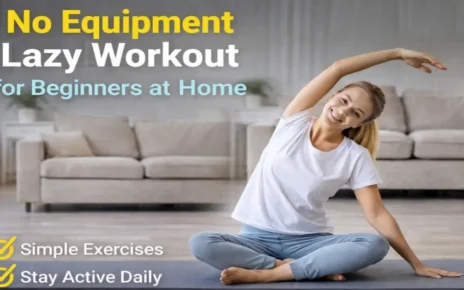
Home workouts are practical because they fit into busy lives. You don’t need machines or a gym membership to get started. A small space and a short routine are enough. Even ten minutes on the living room floor can make a difference. Many people find it easier to stay consistent at home than in a gym. A short workout before breakfast or after work keeps you active without needing to travel.
Another reason home workouts work is privacy. Beginners often feel nervous in crowded gyms. At home, you can learn at your own pace without pressure. You can repeat movements, correct your form, and try new exercises in comfort. This freedom makes workouts less stressful and more enjoyable. With time, you build confidence and strength in your own space.
Home routines are also flexible. If you only have 15 minutes, you can do a quick session. If you feel energetic, you can extend it. You don’t need to follow strict gym hours or class schedules. This freedom helps you build a lasting habit. Related posts like Exercise for a Healthy Life explain how steady daily habits create long-term results. Home workouts are one of the best ways to make consistency simple and natural.
How to Build Strength and Fitness at Home
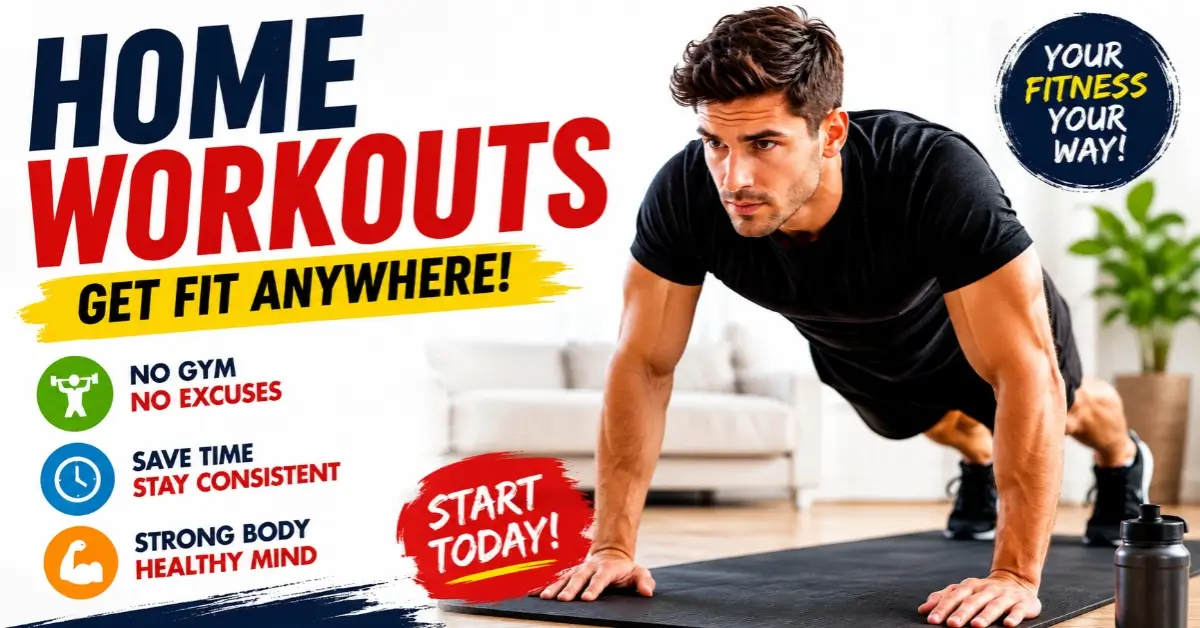
You can start building strength with simple bodyweight exercises. Squats, lunges, push-ups, and planks work multiple muscles at once. These movements also support daily tasks like lifting groceries or climbing stairs. The focus should be on doing each exercise with good form. Ten slow, controlled squats are better than thirty rushed ones. Quality matters more than speed.
As you improve, you can add small challenges. Use a backpack filled with books, a water jug, or resistance bands. These simple tools make exercises harder and help your muscles grow. You can also use short circuits to combine strength and cardio. For example, do squats, planks, and push-ups one after the other, then rest and repeat. This keeps the heart rate high while building strength.
Progress takes time, but small steps add up. Keep track of your workouts in a notebook or app. Write down how many reps you do, how you feel, and any changes you notice. When you can handle a routine easily, make it slightly harder. This steady increase is called progressive overload. Related posts like Strength Training explain more about this principle. Slow progress is safer and more effective than pushing too hard too quickly.
Creating a Sustainable Home Workout Routine
One of the biggest reasons people stop exercising is that they choose routines that are difficult to maintain. Many beginners start with unrealistic expectations, attempting long and intense workouts every day. While motivation is important, consistency matters much more. A simple routine that you can follow three or four times per week is often more effective than an extreme program that leads to burnout after a few days.
The key is to create a workout plan that fits naturally into your lifestyle. If mornings are busy, schedule exercise in the evening. If your energy levels are highest early in the day, complete your workout before work or school. The best workout routine is the one you can maintain consistently over time. Small efforts repeated regularly create better results than occasional intense sessions.
Setting realistic goals also improves long-term success. Instead of focusing only on weight loss or appearance, consider goals such as improving stamina, increasing strength, reducing stress, or feeling more energetic throughout the day. These goals are easier to track and often provide stronger motivation because they improve everyday life.
Many people assume they need expensive equipment to get stronger, but bodyweight exercises can be highly effective. Movements such as squats, push-ups, lunges, and planks build strength, balance, and endurance using only your body weight. If you want more ideas for equipment-free training, explore our guide on Daily Bodyweight Workout, which explains simple exercises that can be done almost anywhere.
Tracking progress is another powerful habit. Keeping a simple notebook or fitness journal allows you to record workouts, repetitions, and personal achievements. Over time, these records help you see improvements that may otherwise go unnoticed. Seeing progress, even small progress, builds confidence and encourages continued effort.
Variety also helps prevent boredom. Repeating the exact same workout every day can make exercise feel like a chore. Try alternating between strength training, cardio workouts, stretching sessions, and mobility exercises throughout the week. This not only keeps workouts interesting but also improves overall fitness by challenging the body in different ways.
Home workouts also provide an opportunity to involve family members. Exercising with a partner, child, or friend increases accountability and makes physical activity more enjoyable. Even simple activities such as walking together, doing stretching exercises, or completing a short workout challenge can strengthen both fitness and relationships.
Another important factor is patience. Results rarely happen overnight. Many people become discouraged because they do not see immediate changes in their appearance or fitness level. However, health improvements often begin internally before they become visible. Better sleep, improved mood, increased energy, and reduced stress are signs that your efforts are working even if physical changes are still developing.
A sustainable approach focuses on long-term health rather than short-term perfection. Missing a workout occasionally does not mean failure. What matters is returning to your routine and continuing to move forward. Home workouts offer flexibility, convenience, and freedom, making them one of the easiest ways to stay active for years to come.
Fuel, Recovery, and Long-Term Habits
Exercise is only one part of the picture. Food, water, and sleep play a big role in how your body responds. Protein-rich foods like eggs, beans, or yogurt help your muscles repair. Whole grains and vegetables give energy, while water keeps you focused. Eating a small snack before exercise, such as fruit, gives extra fuel for your workout.
Recovery is when your muscles grow stronger. Rest days, light stretching, or a short walk help your body heal. Sleep is especially important. Aim for 7–9 hours each night so your body and mind recover fully. Without enough rest, your progress slows down. A simple weekly routine — two or three workout days, one active recovery day, and regular walking — is enough to stay strong and healthy.
Mindset is the final piece. Think of exercise as a life skill, not a short-term project. Some days you may do a full workout, other days only a stretch. Both count. What matters is showing up again and again. Over time, these small actions bring big results: better sleep, more energy, less stress, and greater confidence. Related posts like Gut Microbiome Balance show how daily choices connect to overall wellbeing.
Putting It into Practice: A Simple Home Plan
A weekly plan helps you stay consistent. For example, Day 1 can focus on lower body: squats, lunges, and bridges. Day 2 can be active recovery, like walking or yoga. Day 3 can focus on upper body: push-ups, rows, and dips. Day 4 can be mobility and core: stretching and bird-dogs. Day 5 can be a full-body circuit, mixing cardio and strength. Day 6 can be a fun outdoor activity like hiking or biking. Day 7 can be rest.
This plan is flexible and can be adjusted for beginners or advanced levels. If something feels too easy, add more reps or hold movements longer. If it feels too hard, reduce the sets and go slower. The goal is steady progress, not perfection. Related posts like Strength Training explain how to track and improve safely. With patience, your home routine becomes a reliable habit you can keep for life.
Final Thoughts
Home workouts prove that staying fit does not require expensive equipment or a gym membership. With consistency, proper exercise selection, and healthy recovery habits, anyone can improve their strength, fitness, and overall wellbeing from home. The most important step is simply getting started and making exercise part of your daily routine.
Whether your goal is weight management, increased energy, better health, or improved confidence, home workouts provide a flexible and practical solution. Focus on steady progress, stay patient with the process, and remember that small daily efforts often create the biggest long-term results.
Frequently Asked Questions (FAQs)
Q1: Are home workouts really effective?
A: Yes. Home workouts can improve strength, endurance, flexibility, and overall fitness when performed consistently. Bodyweight exercises such as squats, push-ups, lunges, and planks are highly effective for building strength without gym equipment.
Q2: How many days a week should I do home workouts?
A: Most beginners benefit from exercising 3–5 days per week. It is important to include rest or active recovery days to allow muscles to recover and grow stronger.
Q3: Can I lose weight with home workouts?
A: Yes. Combining regular home workouts with a balanced diet can help burn calories, improve metabolism, and support healthy weight loss over time.
Q4: Do I need equipment for home workouts?
A: No. Many effective exercises use only body weight. As fitness improves, simple tools such as resistance bands, dumbbells, or household items can be added for extra challenge.
Q5: How long should a home workout session last?
A: A workout can be effective in as little as 15–30 minutes. Consistency is more important than workout length, especially for beginners.
Q6: What should I eat before and after a home workout?
A: A light snack such as fruit, yogurt, or whole-grain toast before exercise can provide energy. After a workout, protein-rich foods and healthy carbohydrates help support recovery and muscle repair.
Q7: How can I stay motivated to exercise at home?
A: Setting realistic goals, tracking progress, creating a workout schedule, and choosing activities you enjoy can help maintain motivation and consistency.
Q8: Can beginners start home workouts safely?
A: Absolutely. Beginners should start with simple exercises, focus on proper form, and gradually increase intensity as strength and fitness improve.