Cardio Exercise: Your Path to a Stronger, Healthier Life
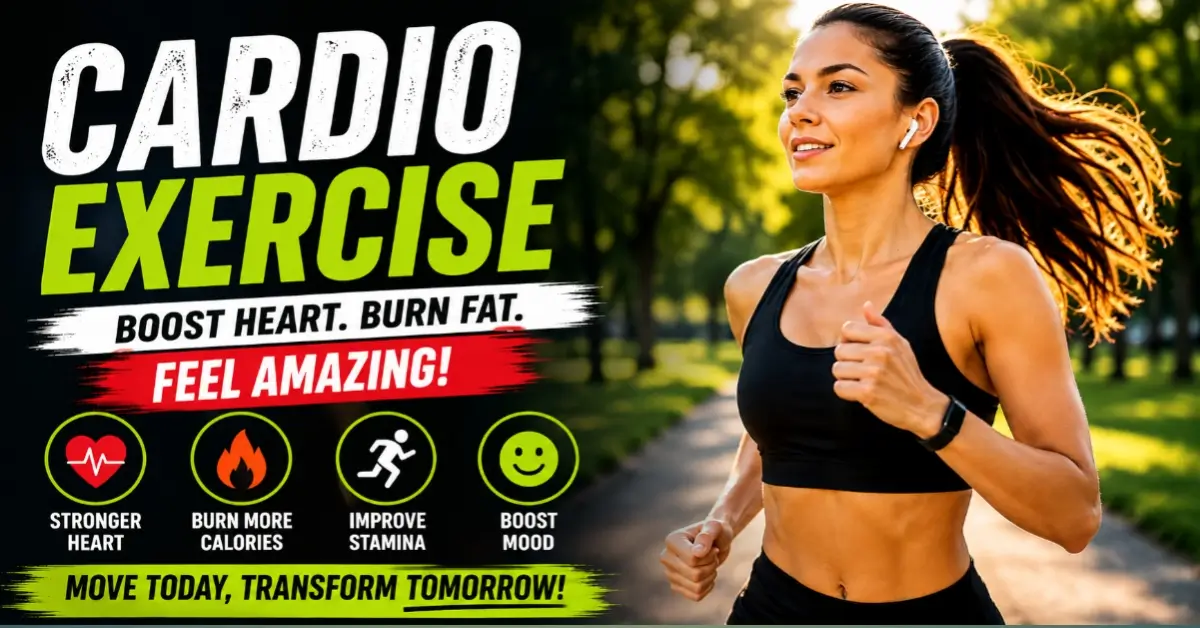
Cardio exercise is more than just movement — it is a lifestyle that unlocks the door to physical, mental, and emotional well-being. People in the U.S., UK, Canada, Australia, and Germany are increasingly searching for ways to integrate this heart-healthy habit into their lives. But why has it become such a hot topic? The answer lies in its wide-ranging benefits. Cardio exercise helps control weight, strengthens the heart, reduces stress, and sharpens the mind — all from a simple commitment to move regularly. Whether you’re a beginner or an athlete, it adapts to your pace and lifestyle.
Understanding the Science Behind Cardio
At its core, cardio exercise increases your heart rate and breathing. This sustained effort strengthens your cardiovascular system, improves oxygen flow, and enhances endurance. From brisk walking and jogging to cycling and swimming, these activities fuel your body with oxygen, allowing your heart to pump more efficiently. For example, a study from Harvard Health shows that 30 minutes of cardio five times a week significantly reduces the risk of heart disease. When done consistently, it also lowers bad cholesterol (LDL), raises good cholesterol (HDL), and manages blood pressure — making it a vital tool for longevity. Furthermore, it boosts lung function and increases mitochondrial density, helping cells generate energy more efficiently. These changes contribute to greater stamina and better resilience under physical and mental stress.

Cardio and Mental Health
People often forget the emotional side of cardio. Regular cardio workouts release endorphins, often referred to as the brain’s ‘feel-good’ chemicals. These help reduce anxiety, combat depression, and improve sleep quality. The article Health Benefits of Running and Jogging also discusses how even light cardio can clear the mind and boost emotional resilience. This explains why cardio is frequently prescribed alongside therapy for managing stress-related disorders. It’s not just about physical transformation — it’s about restoring balance from within. Even a 20-minute walk in nature can help you disconnect from daily worries and reset your mental state. The psychological benefits of cardio are cumulative — the more consistent your efforts, the more lasting the emotional stability and happiness you feel.
Types of Cardio That Fit Any Lifestyle
One of the beauties of cardio is its flexibility. You don’t need a fancy gym or expensive gear to get started. Activities like fast-paced walking, cycling to work, or dancing in your living room are all forms of cardio. Even 10-minute routines performed consistently can yield long-term health benefits. For individuals seeking heart support, the article on Heart Health shares techniques for incorporating daily cardio without burnout. Whether it’s low-impact for beginners or high-intensity intervals for pros, cardio can be customized to any fitness level. Group classes, online videos, or even jumping rope at home can break monotony. The key is to find activities you enjoy so you’ll stick with them. Remember, fun equals sustainability.
Digestive and Metabolic Benefits
Beyond heart health, cardio exercise plays a pivotal role in metabolic regulation. It improves insulin sensitivity, promotes fat loss, and keeps your gut working efficiently. The piece on Digestive Wellness highlights how regular movement boosts digestion and prevents bloating. Additionally, cardio encourages better nutrient absorption by stimulating blood flow. For metabolic performance, refer to Metabolic Health and Brain Nutrition where it emphasizes the relationship between physical exertion and cognitive clarity. It also aids in maintaining hormonal balance, reduces systemic inflammation, and can improve skin health due to increased circulation. All these systems benefit when the body is regularly in motion.

Cardio as a Medical Investment
In today’s world of expensive healthcare, cardio remains a free and powerful preventive tool. It lowers the chances of stroke, diabetes, obesity, and even certain cancers. Doctors often recommend moderate cardio as a foundation for long-term wellness. As explained in Medical Care, physical activity is no longer just an option — it’s a necessity. Cardio exercise builds a body that is resilient to modern health challenges, particularly for sedentary workers and urban lifestyles. In fact, the World Health Organization recognizes physical inactivity as one of the top causes of preventable disease and death globally. Embracing cardio is not just a personal choice — it’s a public health movement.
Creating a Sustainable Cardio Routine
Sticking to cardio is all about finding joy in movement. Set realistic goals, mix up your workouts, and track your progress. For example, start with 15-minute morning walks and gradually increase to 30-minute jogs. Apps, podcasts, or group fitness can keep you motivated. Reward yourself for milestones and remember: consistency matters more than intensity. Building a cardio habit doesn’t require perfection — it requires persistence. When cardio becomes a routine, your mind and body begin to crave the energy boost and clarity it provides. You can also pair cardio with mindfulness for a double benefit — being present while you move enhances both mental focus and physical outcomes.
How to Stay Safe During Cardio Workouts
While cardio is generally safe, it’s crucial to listen to your body. Wear supportive shoes, stay hydrated, and warm up before diving into your routine. Avoid overtraining by including rest days. Pay attention to signs like dizziness or chest pain. Beginners should start slow and gradually build up their endurance. It’s also helpful to consult with a physician if you have underlying conditions. The article Water-Soluble Vitamins offers tips on nutrient replenishment after workouts — especially B-complex vitamins that help restore energy and reduce fatigue. Also, track your heart rate during exercise to avoid pushing past your safe limits. Listening to your body ensures long-term health and injury prevention.
Cardio for Every Age Group
Cardio isn’t just for the young — it’s a lifelong health companion. Children benefit from active play. Adults maintain weight and reduce risk of disease. Seniors improve mobility and prevent falls. Tailoring cardio to age makes it more effective and enjoyable. Walking, swimming, and biking are gentle on joints and perfect for older adults. Dance workouts and jump rope challenge the youth. Even a walk after dinner is cardio. As cardio becomes part of your lifestyle, it adds years to your life and life to your years. Families who exercise together also tend to form stronger emotional bonds, turning cardio into a social connection as well as a health tool.
Why Cardio is the Future of Wellness
In an era of increasing screen time, poor posture, and digital fatigue, cardio offers a return to balance. It’s free, accessible, and effective. Whether you do it in your neighborhood, a park, or your living room, cardio fits into any schedule. It strengthens your body, clears your mind, and boosts your confidence. Combined with proper nutrition, sleep, and hydration, it becomes a powerful tool for transformation. So lace up your shoes, press play on your favorite playlist, and take that first step. Your heart will thank you — and so will your future self.
Cardio exercise is the golden thread that connects the body, heart, and mind. Whether you’re managing blood pressure, boosting metabolism, improving digestion, or elevating your mood, cardio is the answer. Make it a daily ritual — and let your heartbeat lead the way to a vibrant, healthy life.

Cardio Exercise for Weight Loss
One of the biggest reasons people start cardio exercise is to lose weight. Cardio helps burn calories, increase energy expenditure, and improve fat metabolism. Activities such as brisk walking, jogging, cycling, swimming, and dancing can all contribute to healthy weight management when combined with balanced nutrition.
However, successful weight loss is not about exercising for a few days. Consistency is what creates results. A person who performs 30 to 45 minutes of cardio most days of the week is more likely to maintain a healthy weight than someone who follows short-term fitness trends. Cardio also improves insulin sensitivity, making it easier for the body to use energy efficiently instead of storing excess calories as fat.
Another advantage of cardio is that it supports long-term weight maintenance. Many people lose weight through restrictive diets only to regain it later. Regular physical activity helps prevent this cycle by keeping metabolism active and supporting healthy body composition. Combined with healthy eating habits, cardio remains one of the most effective tools for sustainable weight management.
Benefits of Cardio Exercise for Women
Cardio exercise offers unique benefits for women of all ages. Regular cardiovascular activity helps maintain a healthy weight, improves heart health, strengthens bones, and supports hormonal balance. Women who stay physically active often report higher energy levels, better mood, and improved confidence.
Cardio is especially valuable during periods of hormonal change such as pregnancy recovery, perimenopause, and menopause. Activities like walking, cycling, swimming, and low-impact aerobics help improve circulation while placing less stress on the joints. Regular movement can also reduce symptoms of anxiety and improve sleep quality.
In addition, cardio supports long-term health by lowering the risk of heart disease, which remains one of the leading health concerns for women worldwide. Whether performed at home, outdoors, or in a gym, cardio exercise provides a practical and effective way for women to invest in their physical and mental wellbeing.
7-Day Beginner Cardio Exercise Plan
If you’re new to cardio exercise, starting slowly is the best approach. The goal is to build consistency rather than push too hard in the beginning.
- Day 1: 20-minute brisk walk
- Day 2: 25-minute walk with light stretching
- Day 3: 20-minute cycling or stationary bike session
- Day 4: Active recovery with a gentle walk
- Day 5: 30-minute brisk walk or light jog
- Day 6: Dance workout or swimming session
- Day 7: Relaxing walk and full-body stretching
This simple plan helps improve endurance without overwhelming the body. As fitness levels improve, you can gradually increase duration and intensity. The most important factor is consistency. Small efforts repeated week after week create lasting improvements in cardiovascular health, energy levels, and overall fitness.
Frequently Asked Questions (FAQ)
1. What is cardio exercise?
Cardio exercise is any physical activity that increases your heart rate and breathing, such as walking, running, cycling, swimming, or dancing. It helps improve heart health, endurance, and overall fitness.
2. How often should I do cardio exercise?
Most adults should aim for at least 150 minutes of moderate-intensity cardio or 75 minutes of vigorous cardio per week to support overall health and fitness.
3. Is cardio exercise good for weight loss?
Yes. Cardio exercise helps burn calories, improve metabolism, and support fat loss when combined with a balanced diet and healthy lifestyle habits.
4. Which cardio exercise burns the most calories?
Running, jump rope, high-intensity interval training (HIIT), cycling, and swimming are among the cardio exercises that burn the most calories.
5. Can beginners do cardio every day?
Beginners can perform light cardio such as walking daily, but it is important to listen to the body and include recovery time when doing more intense workouts.
6. Does cardio exercise improve mental health?
Yes. Regular cardio exercise releases endorphins that help reduce stress, anxiety, and symptoms of depression while improving mood and overall mental wellbeing.
7. What is the best time of day to do cardio exercise?
The best time is whenever you can stay consistent. Some people prefer morning workouts for energy, while others perform better in the afternoon or evening.