Why Children Get Frequent Colds and How to Reduce Infections
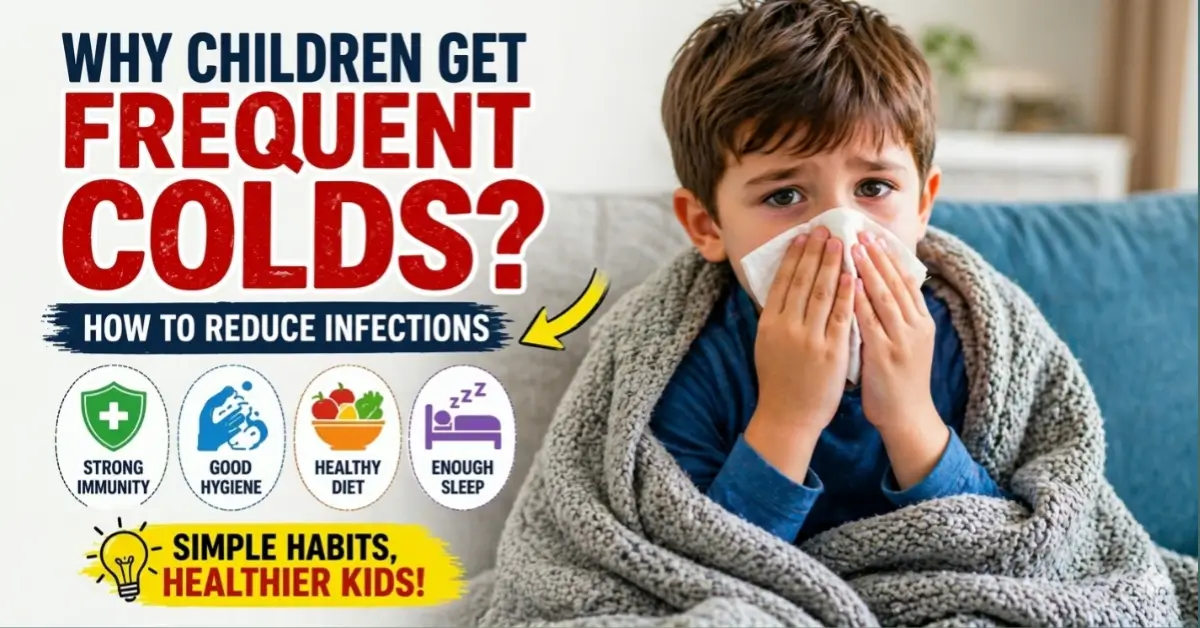
Many parents notice that their children seem to catch colds more often than adults, especially during seasonal changes or school months. This can be frustrating and worrying at the same time. The truth is that children are still developing their immune system, which means their body is learning how to respond to different viruses and bacteria. Each cold is actually part of that learning process. However, frequent infections can also indicate underlying issues such as weak immunity, poor nutrition, or exposure to germs in crowded environments. Understanding why this happens is the first step toward reducing how often your child gets sick. Parents who are aware of these patterns can take simple but effective steps to improve their child’s health and daily routine.
Common Reasons Behind Frequent Colds in Children
Children are naturally exposed to more germs than adults, especially in schools, playgrounds, and daycare environments. Their immune system is still maturing, which makes them more vulnerable to catching infections quickly. One major reason is close contact with other children, where viruses spread easily through touch, coughing, or shared items. Another factor is hygiene habits, as younger children may not wash their hands properly or frequently. In addition, lack of proper nutrition can weaken the immune response, making it harder for the body to fight infections. Parents can better understand these patterns by learning how child immune system boosting foods support stronger defenses. Small daily improvements in diet and hygiene can significantly reduce the chances of frequent illness.

1. Weak Immune System Development
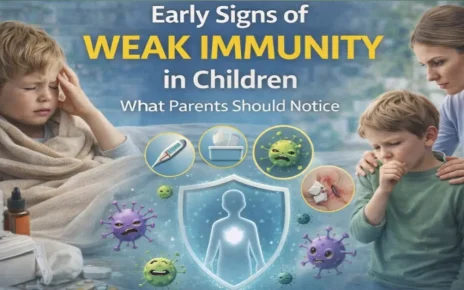
A child’s immune system takes time to fully develop, which is why younger children tend to get sick more often. Their body is constantly learning how to identify and fight different viruses. While this process is natural, certain factors can slow down immune development. Poor sleep, unhealthy diet, and lack of physical activity can weaken the body’s defenses. Children who do not receive enough vitamins and minerals may struggle to recover quickly from infections. Parents should focus on building strong immunity through daily habits and balanced nutrition. Creating a consistent routine can make a noticeable difference in reducing the frequency of colds.
2. Poor Hygiene Habits
Hygiene plays a major role in preventing infections, especially in children. Many kids forget to wash their hands after playing, using the restroom, or before eating. This increases the chances of germs entering their body. Teaching simple hygiene habits can go a long way in protecting children from frequent colds. Regular handwashing, avoiding touching the face, and using clean tissues can help reduce exposure to viruses. Parents should guide children consistently until these habits become part of their routine. Simple actions like these can significantly lower the risk of infections over time.

3. Lack of Proper Nutrition
Nutrition is one of the most important factors in maintaining a strong immune system. Children who consume processed foods or lack essential nutrients are more likely to fall sick frequently. Vitamins such as C, D, and zinc are essential for fighting infections. A balanced diet that includes fruits, vegetables, proteins, and healthy fats helps the body stay strong. Parents should avoid excessive sugary snacks and focus on natural, nutrient-rich foods. If you want to understand how daily health habits impact children, you can also explore early signs of dehydration in children and how hydration supports overall health.
How to Reduce Infections in Children
Reducing infections does not require complicated solutions. Simple daily habits can make a significant difference in your child’s health. Ensuring proper sleep is one of the most effective ways to strengthen immunity. Children who get enough rest recover faster and are less likely to get sick frequently. Physical activity is another important factor. Outdoor play and movement help improve circulation and strengthen the body’s defenses. In addition, maintaining a clean environment at home can reduce exposure to harmful germs. Parents should focus on consistency rather than perfection when building these habits.
4. Importance of Daily Routine
Creating a structured daily routine helps children maintain better health. Regular meal times, proper sleep schedules, and consistent hygiene habits support overall well-being. Children thrive in environments where routines are predictable and stable. This not only improves physical health but also reduces stress and supports emotional balance. Parents can make small adjustments in daily routines to ensure children stay active, eat well, and rest properly. These small changes can lead to long-term improvements in health and immunity.

5. Reducing Exposure to Germs
While it is impossible to completely avoid germs, reducing unnecessary exposure can help lower the risk of infections. Parents should encourage children to avoid sharing personal items like water bottles, utensils, or towels. Keeping frequently touched surfaces clean at home can also prevent the spread of bacteria. During cold seasons, limiting close contact with sick individuals can be helpful. At the same time, it is important to allow children to build natural immunity through normal daily interactions. Finding the right balance between protection and exposure is key to long-term health.
Frequently Asked Questions
Why do children get frequent colds?
Children get frequent colds because their immune system is still developing and they are exposed to more germs in schools, playgrounds, and social environments.
How can I reduce infections in my child?
You can reduce infections by improving hygiene habits, providing a balanced diet, ensuring proper sleep, and encouraging regular physical activity.
Is it normal for kids to get sick often?
Yes, it is normal for young children to get several colds each year as their immune system is still learning to fight infections.
Can diet affect how often children get colds?
Yes, poor nutrition can weaken the immune system, making children more likely to get frequent infections and take longer to recover.
Do hygiene habits really help prevent colds?
Yes, proper hygiene such as regular handwashing and avoiding touching the face can significantly reduce the spread of viruses.
When should I worry about frequent colds in my child?
If your child has severe symptoms, takes longer to recover, or gets infections very frequently, it is best to consult a healthcare professional.