Emotional Self Regulation Skills: How to Stay Mentally Strong Every Day
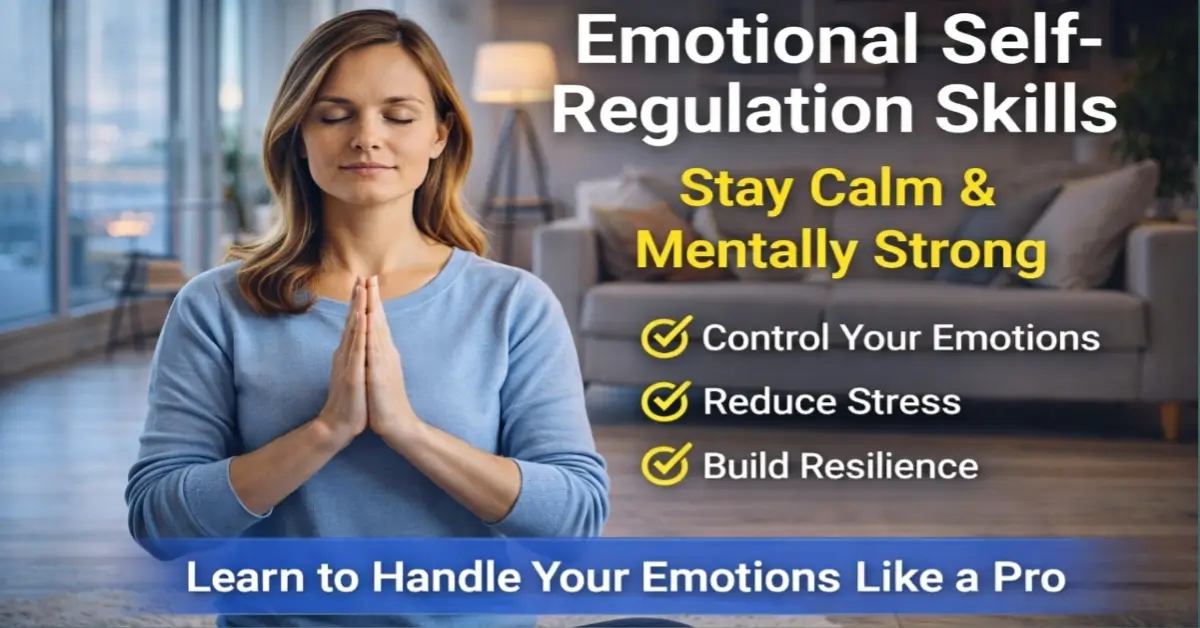
Emotional self regulation skills help people understand, manage, and respond to emotions in a healthy way. Everyone experiences feelings like anger, sadness, or anxiety, but without the ability to regulate these emotions, small challenges can quickly become big problems. Emotional regulation is the foundation of strong mental health and helps people cope with stress, uncertainty, and daily pressure without feeling overwhelmed.
These skills are not natural for everyone—many people have never been taught how to control emotions, especially when faced with stress or frustration. Learning emotional self regulation skills makes it easier to pause, think, and choose healthier responses instead of impulsive reactions. When a person improves these skills, relationships become stronger, decision-making becomes clearer, and overall wellbeing improves.
What Are Emotional Self Regulation Skills?
Emotional self regulation skills refer to strategies that help individuals recognize their emotions, understand why these emotions arise, and then manage them effectively. This means instead of reacting automatically to stress or negative feelings, a person learns how to respond in thoughtful and controlled ways. Self regulation is more than “just staying calm”—it is about becoming aware of emotional triggers, noticing body responses, and choosing behavior that supports wellbeing.
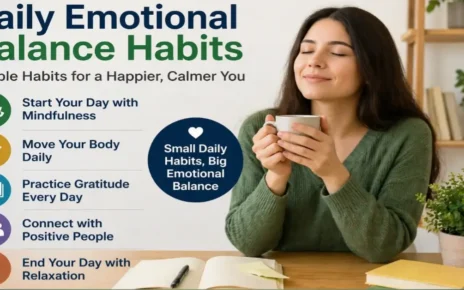
These skills involve both mental processes (like reframing thoughts) and behavioral strategies (like pacing breathing or pausing before responding). Practicing emotional regulation can reduce the intensity of anger, lower anxiety, and build resilience in everyday life. Many people find that when they combine emotional regulation with healthy daily habits, such as those discussed in daily emotional balance habits , their outlook and responses to stress improve significantly.
Emotional self regulation begins with awareness. When you can identify exactly what you feel—anger, fear, embarrassment, or joy—you can choose how to act instead of being controlled by emotion. Recognizing emotional patterns also helps people prepare for difficult situations with more confidence, reducing fear and improving mental stability.

Why Emotional Self Regulation Skills Matter for Wellbeing
Emotional regulation skills are essential because unmanaged emotions can harm both mental and physical health. Persistent emotional stress often leads to sleep problems, weakened immunity, and mood disorders like anxiety or depression. On the other hand, people with developed self regulation skills handle setbacks with patience, recover faster from stress, and maintain a positive mindset even during tough times.
These skills also create a foundation for long-term mental stability. Children and adults who practice emotional regulation are better at controlling impulses, communicating their needs clearly, and responding to challenges with flexibility. Emotional regulation is especially important in maintaining routines like balanced eating and self-care, which are core to overall wellbeing. Learning these skills naturally enhances habits like those in balanced daily nutrient intake , because emotional stability influences mood, appetite, focus, and energy.
When emotions are regulated properly, people are less likely to feel overwhelmed by daily tasks or relationships. Instead of reacting with frustration or withdrawal, they approach situations with clarity and control. This leads to stronger relationships, better decision-making, and overall life satisfaction. Over time, emotional self regulation becomes a personal strength rather than a temporary strategy.
Core Techniques to Build Emotional Self Regulation
There are many practical techniques to strengthen emotional self regulation skills. One effective strategy is mindfulness—paying close attention to the present moment without judgment. Mindfulness helps people catch emotional reactions as they begin, giving an opportunity to choose a calmer response. Deep breathing, body scans, and mindful pauses are simple practices that can be done anywhere.
Another key method is cognitive reframing—changing how you interpret events. For example, instead of assuming failure when something goes wrong, a person can choose to focus on what can be learned. This shift reduces emotional intensity and builds resilience. Behavioral strategies like physical movement, journaling, or talking with a supportive friend also strengthen emotional control.
Daily reinforcement of these techniques creates habit. Over time, the nervous system learns to calm itself faster, stress responses weaken, and emotional clarity increases. When combined with emotional awareness and self-reflection, these techniques help people maintain balance even in demanding environments. Many find that practicing emotional self regulation enhances focus and productivity, making daily routines more supportive of overall mental health.

Emotional Self Regulation in Daily Life
Emotional self regulation skills are not only for crisis moments. They are useful in everyday situations like responding to criticism, managing workloads, handling social interactions, or making decisions under pressure. When these skills are practiced daily, they become automatic responses that protect mental health and enhance daily life experiences.
For example, emotional regulation helps people avoid overreacting to misunderstandings at work or in relationships. Instead of lashing out or withdrawing, they pause, evaluate the situation, and choose a response that maintains calm and respect. This skill also reduces impulsive decisions, which often lead to regret or emotional stress later.
Children and teens also benefit immensely from emotional self regulation training. When children understand how to manage their emotions, they perform better in school, communicate more effectively, and develop healthier social bonds. Programs that combine emotional regulation with positive routines like those in child growth monitoring guide often produce deeper improvements in overall wellbeing by supporting emotional and physical development side by side.
Long-Term Benefits of Emotional Regulation Skills
Strong emotional self regulation skills have lifelong benefits. Adults with strong regulation skills report higher life satisfaction, better relationship quality, and improved stress resilience. These individuals are also more adaptable to change and perform better in both personal and professional environments.
Research shows that emotional regulation contributes to brain health, better sleep patterns, and improved immune function. When the mind is balanced, physical systems follow, enhancing overall health and longevity.
Practicing emotional regulation prevents emotional buildup, reduces impulsive reactions, and supports a stable mental state. Over time, these skills become the backbone of emotional intelligence and personal resilience.
Conclusion
Emotional self regulation skills are essential for maintaining emotional stability and strong mental health in a fast-paced world. By practicing mindfulness, cognitive reframing, and emotional awareness every day, people can build lifelong emotional resilience.
When emotional regulation becomes a daily habit, life becomes calmer, decisions become clearer, and mental wellbeing improves significantly. These skills empower individuals to face challenges with confidence and emotional strength.
Frequently Asked Questions
What are emotional self regulation skills?
Emotional self regulation skills help people recognize, manage, and respond to emotions in a healthy and controlled way.
Why are emotional self regulation skills important?
These skills reduce emotional stress, improve decision-making, and protect long-term mental wellbeing.
Can emotional self regulation skills reduce anxiety?
Yes, learning emotional self regulation skills helps calm the nervous system and reduces anxiety over time.
How can I improve emotional self regulation daily?
Daily mindfulness, deep breathing, emotional awareness, and healthy routines help strengthen emotional regulation.
Do emotional self regulation skills help relationships?
Yes, they improve communication, reduce conflicts, and support emotional understanding in relationships.
How long does it take to build emotional self regulation skills?
Small improvements appear within weeks, while strong emotional regulation develops through consistent daily practice.