What is iron deficiency and why it matters
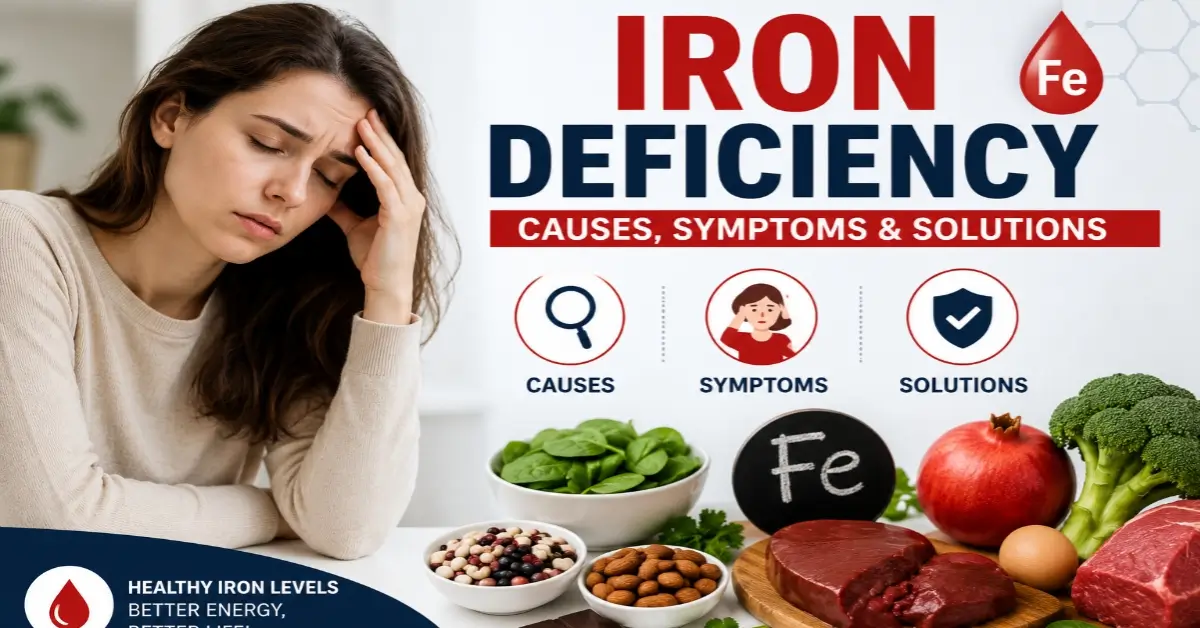
Iron deficiency happens when your body does not have enough iron to make normal red blood cells. Iron is a tiny mineral but it does big jobs: it helps carry oxygen from the lungs to every cell, gives energy, and keeps the brain and muscles working well.
When iron is low, people often feel tired, breathless, or weak. Tasks that were simple — climbing stairs, carrying shopping — suddenly feel harder. The body tries to cope, but slowly the lack shows in pale skin, low energy, and sometimes in poor concentration. For children, iron is vital for learning and growth; for pregnant women, it supports the baby’s growth; and for adults, it keeps daily energy steady. Because it affects so many parts of life, catching iron shortage early is important.
Iron is only one of many essential minerals the body needs to function properly. Understanding how different nutrients work together can help prevent long-term health issues. You can learn more in our article about Mineral Deficiency and its effects on overall health.
Common causes of iron deficiency
There are several reasons someone might develop low iron. A top cause is not eating enough iron-rich foods. Plant-based diets are healthy but often need careful planning to reach enough iron; animal sources (red meat, liver, certain fish) and fortified foods give iron that the body can use more easily.
Another major cause is blood loss: women may lose iron during heavy periods, and internal bleeding (from the gut, for example) also removes iron slowly over time. Conditions like ulcers, hemorrhoids, or some medications can cause small, ongoing blood loss that adds up. A third cause is poor absorption. Even when you eat iron, problems in the stomach or small intestine — such as celiac disease, surgical changes, or certain medicines — can stop the body from absorbing it.
Pregnancy raises the need for iron because the body needs to support both mother and growing baby. Finally, repeated blood donations or chronic disease can lower iron stores. Each cause needs a different approach: diet helps in some cases, while others need a doctor’s tests and targeted treatment. A careful check with blood tests helps find the real cause and the right plan to restore healthy iron levels.
Recognizing the signs: how iron shortage feels day-to-day
Iron shortage often begins quietly. At first you may feel a little more tired than usual or find it harder to focus at work. Over weeks or months these small changes can grow. People tell me they notice three simple patterns: low energy that tea or extra sleep does not fully fix; shortness of breath on small exertion like climbing one flight of stairs; and a general pale look, most clear on the face, inner eyelids, or nails.
Other common signs include frequent headaches, hair loss, restless legs at night, or a strange craving for non-food items (called pica), like ice or chalk. Children with low iron may be less active, speak less, or have trouble learning at school. When iron is low for a long time, the body weakens more: nails can become brittle or spoon-shaped, infections may come more often, and exercise tolerance drops. Because these signs are common to many conditions, they do not prove iron deficiency — but they are good reasons to talk to a doctor and ask for a simple blood test.
Testing and diagnosis: what doctors look for
Diagnosing iron deficiency usually starts with a blood test. Your doctor may check hemoglobin to see if you have anemia, and ferritin to measure iron stores. Low ferritin is an early sign that iron is running low even before hemoglobin falls.
Other tests may follow depending on the situation: a full blood count, iron-binding capacity, or tests for possible causes like gastrointestinal bleeding. For some people, especially adults with new iron shortage, doctors may investigate the gut for hidden bleeding or inflammation — this can include stool tests or scans and, in some cases, an endoscopy. Women with heavy periods might be assessed for gynecologic causes.
The tests are straightforward and give clear guidance: whether diet alone is enough, or a supplement or medical treatment is needed. Importantly, testing rules out other conditions that also cause tiredness, such as thyroid problems or chronic infections. A clear diagnosis is the first step to a safe and effective plan to restore iron and feel better rapidly.
Food-first strategies: natural ways to boost iron
When the cause is diet or mild shortage, the first approach is food. Two kinds of dietary iron exist: haem iron (from animal foods) is absorbed well, found in red meat, chicken liver, and oily fish, while non-haem iron (from plants) comes in beans, lentils, spinach, nuts, seeds and fortified grains.
To help the body absorb non-haem iron, eat it with vitamin C rich foods — a squeeze of lemon on lentils, a side of oranges, or a pepper in a salad makes a big difference. Avoid drinking tea or coffee with meals because tannins reduce absorption. Cooking in a cast-iron pan can add small amounts of iron to food, which can be useful for family meals.
Vitamin C plays a major role in helping the body absorb iron efficiently. If you want to learn more about its importance, read our guide on Vitamin C Deficiency and how maintaining healthy vitamin C levels can support overall wellbeing.
Include variety: eggs, dairy, pulses and whole grains provide supportive nutrients. For vegetarians, combining pulses with vitamin C foods and including fortified cereals makes a practical plan. Portion planning and small, regular changes often bring stores back up over weeks.
Supplements and safe use of iron tablets
When diet is not enough or iron levels are clearly low, doctors often recommend iron supplements. There are several types and doses, and while they work well, some people experience side effects like stomach upset, constipation or dark stools.
To reduce side effects, a common approach is taking smaller doses or alternate-day dosing — research shows the body may absorb iron better when given time to reset, so taking a tablet every other day can be effective and gentler on the stomach. Taking iron with food reduces tummy upset but may reduce absorption slightly — balance comfort and benefit. Vitamin C taken at the same time increases uptake.
It is important not to take iron without testing or medical advice if you have conditions such as hemochromatosis (where the body stores too much iron). Also, iron supplements can interact with some medicines. So always follow your doctor’s dose and duration advice, and return for a follow-up blood test to see if stores are rising.
Special groups: women, children and older adults
Some groups are more likely to have iron shortage. Women of childbearing age often lose more iron during monthly bleeding, so they may need extra attention — small regular checks and a diet with good iron sources help. Pregnant women need more iron; prenatal care usually includes testing and tailored supplements to support both mother and baby.
Children grow fast and need iron for brain and body development; picky eaters or those on cow’s milk-heavy diets sometimes miss iron-rich foods, so parents should include iron-rich snacks and vitamin C with meals. Older adults may absorb less iron or have chronic conditions that affect stores; they often benefit from routine checks and careful use of supplements.
When iron shortage is due to bleeding or medical causes
Not all iron deficiency comes from diet. Slow bleeding in the gut — from ulcers, polyps, or inflammatory conditions — can quietly reduce iron over months. Some medications, like long-term NSAIDs, increase the chance of gut bleeding.
Women with heavy menstrual bleeding need assessment to find causes and manage them, sometimes with gynecologic treatments that reduce blood loss. In these situations, fixing the root cause is as important as replacing iron. Doctors may recommend endoscopy or other tests to find bleeding sources, or they may change medications that contribute to the problem.
Practical daily tips to protect iron levels
Here are simple, practical steps to keep iron in healthy range: include an iron-rich food at one meal each day, pair plant iron with vitamin C, avoid tea and coffee during meals, and choose small snacks that support iron (nuts, seeds, fortified cereal).
Track your monthly cycle and note heavy bleeding — if it is more than usual, discuss it with a doctor. For families with children, give iron-containing snacks and include fortified foods when needed. If you cook meat, include small portions for non-vegetarians; for vegetarians, mix pulses and grains with vitamin C-rich sides.
Maintaining balanced eating habits is one of the most effective ways to protect healthy iron levels. A combination of nutrient-rich foods, proper hydration, and regular activity supports long-term wellness. You can learn more in our guide on Nutrition and Fitness for practical lifestyle strategies that support overall health.
Gentle lifestyle steps that support recovery
Recovering from iron shortage takes diet and often treatment, but also gentle lifestyle support. Rest and good sleep help the body rebuild. Avoid intense training if you feel very tired; reduce heavy exercise while treating anemia because the body needs energy to recover.
Once your energy levels begin to improve, gradual physical activity can help rebuild strength and endurance. Our guide on Strength Training explains how safe exercise can support recovery and overall fitness.
Manage stress: cortisol and long-term stress may affect appetite and digestion, which can reduce good food intake. Maintain a balanced plate: protein, vegetables, healthy fats and whole grains support both iron and overall wellbeing. Hydration matters — low fluid can make tiredness worse.
How long until you feel better — realistic timelines
People ask: “When will I feel normal?” The honest answer is: it depends. With diet changes and proper treatment, many people notice better energy in 2–4 weeks. Hemoglobin often rises in a few weeks, but full recovery of iron stores (measured by ferritin) can take 2–6 months depending on severity.
That is why doctors often ask patients to continue supplements for several months after hemoglobin normalizes — to refill the stores. Follow-up blood tests guide this. Children and pregnant women may need closer monitoring. If treatment does not help, the medical team will re-check for underlying causes.
Five common FAQs about iron deficiency
Q1: Can I self-treat low iron with supplements?
A: It is best to test first and follow a doctor’s advice. Unnecessary iron can be harmful in some conditions.
Q2: Will iron make me feel better right away?
A: Many people see early improvement in a few weeks, but full store recovery can take months. Follow-up tests help track progress.
Q3: Which foods help iron the most?
A: Red meat and organ meats are rich in haem iron. For plant-based diets, lentils, beans, tofu, spinach and fortified cereals work best when paired with vitamin C foods.
Q4: Can children get iron from formula or breast milk?
A: Breast milk has iron but low levels; infants often need iron-rich complementary foods after 6 months or a pediatric recommendation. Formula may be fortified; follow pediatric guidance.
Q5: When should I see my doctor?
A: If you have persistent tiredness, heavy periods, unexplained weight loss, breathlessness, or signs like pale skin or unusual cravings, see a healthcare professional for tests.