Imagine waking up every morning with enough energy to enjoy your work, spend quality time with your family, and still have the motivation to exercise or pursue your hobbies. For many people across the United States, Canada, the United Kingdom, and Australia, that isn’t just a dream—it’s the result of making health protection a daily priority.
Health protection isn’t limited to avoiding illness or visiting a doctor when something goes wrong. It’s a proactive way of living that helps you strengthen your body, protect your mind, and reduce health risks before they become serious problems. Every healthy meal, every walk around the neighborhood, every good night’s sleep, and every positive decision adds another layer of protection to your future.
Modern life presents challenges that previous generations rarely experienced. Long working hours, processed foods, screen time, poor sleep, chronic stress, and limited physical activity all place extra pressure on the body. The encouraging news is that small, consistent lifestyle improvements can help counter many of these challenges.
- ✔ Healthy daily habits.
- ✔ Balanced nutrition.
- ✔ Regular physical activity.
- ✔ Mental and emotional well-being.
- ✔ Prevention through healthy choices.
Health Protection Starts Long Before You Feel Sick
One of the biggest misconceptions about health is believing that action is only necessary after symptoms appear. In reality, many long-term health conditions develop gradually over several years. High blood pressure, obesity, type 2 diabetes, heart disease, and many other chronic illnesses often begin silently.
Protecting your health means making choices today that reduce tomorrow’s risks. It isn’t about chasing perfection or following every new wellness trend. Instead, it’s about building routines that your body benefits from every single day.
Even simple habits like drinking enough water, preparing meals at home, reducing added sugar, sleeping well, and walking regularly contribute to long-term wellness.
Small Habits Often Create the Biggest Results
People frequently underestimate the power of consistency. A healthy lifestyle isn’t built in one weekend—it develops through hundreds of small decisions repeated over months and years.
Simple improvements such as taking the stairs, stretching in the morning, reducing sugary drinks, preparing balanced meals, and limiting late-night screen time may seem minor individually, yet together they can significantly improve your physical and mental health.
If you’re looking for practical inspiration, explore our guide on 50 Simple Healthy Habits. These realistic ideas make it easier to create routines that fit into everyday life rather than completely changing your lifestyle overnight.
Your Mind Needs Protection Too
Health protection goes beyond muscles, nutrition, and medical checkups. Emotional well-being plays an equally important role. Constant stress, anxiety, and negative thinking affect sleep quality, immune function, productivity, and even heart health.
Developing healthier thought patterns doesn’t eliminate life’s challenges, but it helps you respond more effectively when difficulties arise. Simple practices like gratitude, mindfulness, spending time outdoors, and maintaining supportive relationships all strengthen emotional resilience.
Our article on The Power of Positive Thinking explains how a healthier mindset supports both mental wellness and physical health over the long term.
Nutrition Is Your Body’s First Line of Defense
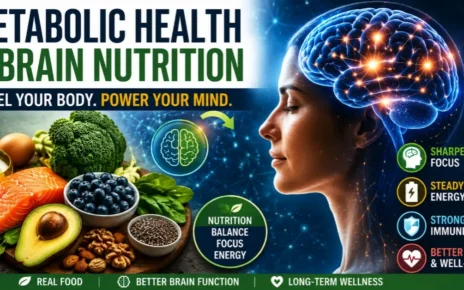
Every meal either supports or challenges your health. Nutrient-rich foods provide the vitamins, minerals, protein, fiber, and healthy fats your body needs to repair tissues, maintain energy, strengthen immunity, and support healthy aging.
One area that deserves special attention is digestive health. A healthy gut influences nutrient absorption, immune function, and even mood. Including vegetables, fruits, fermented foods, legumes, and whole grains in your diet helps maintain a healthier digestive system.
For practical nutrition advice, our guide to The Best Foods for a Healthy Gut explains how simple dietary choices can support overall wellness.
Movement Is Medicine You Can Give Yourself
You don’t need to become a marathon runner or spend hours in the gym to protect your health. The human body was designed to move, and even moderate physical activity offers remarkable benefits. Walking after dinner, cycling on weekends, strength training twice a week, or taking short movement breaks during work all contribute to better cardiovascular health, stronger muscles, healthier joints, and improved mood.
Exercise also helps regulate blood sugar, supports healthy body weight, improves sleep quality, and reduces the risk of many chronic diseases. Perhaps most importantly, regular movement gives you more energy for everyday life instead of leaving you feeling exhausted.
If you’re looking for motivation, our article on The Top 10 Benefits of Exercise explains why physical activity remains one of the most effective investments you can make in your long-term health.
Energy Between Meals Matters More Than You Think
Many people eat balanced main meals but undo much of their progress through unhealthy snacking. Highly processed snacks often provide large amounts of sugar, sodium, and unhealthy fats while offering very little nutritional value.
Replacing those choices with fresh fruit, Greek yogurt, nuts, seeds, hummus, or whole-grain snacks helps maintain steady energy throughout the day. Better snacks not only improve nutrition but also reduce cravings that often lead to overeating later.
Need practical ideas? Our guide on Healthy Snack Ideas offers simple options that fit busy lifestyles.
Health Protection Also Means Staying Informed
Knowledge is one of the most valuable tools for protecting your health. Understanding common health conditions, recognizing early warning signs, attending routine medical checkups, and following evidence-based advice allow problems to be identified before they become more serious.
Preventive healthcare doesn’t mean living in fear of illness—it means making informed decisions that improve your chances of enjoying a longer, healthier life.
If you’d like to expand your understanding of common medical conditions and global health resources, our article on Medical Diseases provides helpful background information.
A Day Built Around Better Health
Health protection isn’t one major decision made once a year—it’s a series of small choices repeated throughout the day.
| Time | Healthy Choice |
|---|---|
| Morning | Drink water, enjoy a balanced breakfast, and spend a few minutes stretching. |
| Midday | Take a short walk, eat a nutritious lunch, and stay hydrated. |
| Afternoon | Choose a healthy snack instead of processed food. |
| Evening | Exercise, prepare a balanced dinner, and spend quality time with family. |
| Night | Reduce screen time, relax, and aim for 7–9 hours of quality sleep. |
Health Protection Mistakes That Are Easy to Avoid
- Waiting until illness develops before making lifestyle changes.
- Skipping regular medical checkups.
- Choosing convenience foods most days of the week.
- Ignoring stress and emotional well-being.
- Believing exercise only matters for weight loss.
- Sleeping too little because of busy schedules.
- Following health trends instead of building sustainable habits.
The healthiest lifestyle isn’t usually the most complicated one. It’s the one you can realistically maintain every day, even during busy weeks.
Frequently Asked Questions
1. What does health protection really mean?
Health protection is the practice of reducing disease risk and improving long-term well-being through healthy eating, regular physical activity, preventive healthcare, quality sleep, stress management, and informed lifestyle choices.
2. Why is prevention better than treatment?
Preventive habits can lower the risk of many chronic conditions before they develop. Regular exercise, balanced nutrition, routine health screenings, and avoiding tobacco are often far easier and less costly than treating advanced illness.
3. How can I start protecting my health today?
Start with realistic goals. Drink more water, include vegetables in your meals, walk for 30 minutes, improve your sleep schedule, and schedule regular medical checkups. Small actions repeated consistently create meaningful results.
4. Does mental health affect physical health?
Absolutely. Chronic stress, anxiety, and poor emotional well-being can affect sleep, immunity, blood pressure, digestion, and heart health. Looking after your mental health is an important part of protecting your overall wellness.
5. Is exercise necessary even if I eat healthy?
Yes. Healthy nutrition and regular exercise work together. Physical activity strengthens the heart, muscles, bones, and immune system while supporting healthy weight management and improving energy levels.
6. How often should adults have a health checkup?
The frequency depends on your age, medical history, and individual risk factors. Many adults benefit from routine annual checkups and recommended health screenings based on advice from their healthcare provider.
7. Can healthy habits really make a long-term difference?
Yes. Scientific research consistently shows that maintaining healthy habits over many years can lower the risk of heart disease, type 2 diabetes, certain cancers, and other chronic health conditions while improving quality of life.
8. What’s the biggest mistake people make with their health?
One of the most common mistakes is believing there’s always time to improve later. Health is built gradually through everyday choices, and delaying those choices often makes future challenges harder to overcome.
Think about where your daily habits could take you over the next five or ten years. Every nutritious meal, every walk, every good night’s sleep, and every positive decision becomes part of that future. Health protection isn’t about living perfectly or avoiding every illness—it’s about giving yourself the strongest possible foundation for whatever life brings. The choices you make today become the strength you rely on tomorrow.