Introduction: Why First Aid for Stroke is Life-Saving
First Aid for Stroke is one of the most urgent skills a person can learn. Stroke occurs when blood supply to part of the brain is blocked or when a vessel bursts, leading to brain damage. In countries like the US, UK, Canada, and Australia, stroke is a leading cause of death and disability. Quick action during the first minutes after a stroke can save lives and reduce long-term damage. Yet many people hesitate or fail to recognize the signs, losing precious time. By knowing the basics of first aid for stroke, anyone—whether at home, work, or in public—can become the difference between life and loss. For more tips on staying prepared, check our article on Fitness Tips for Life.
Recognizing Stroke: The FAST Method
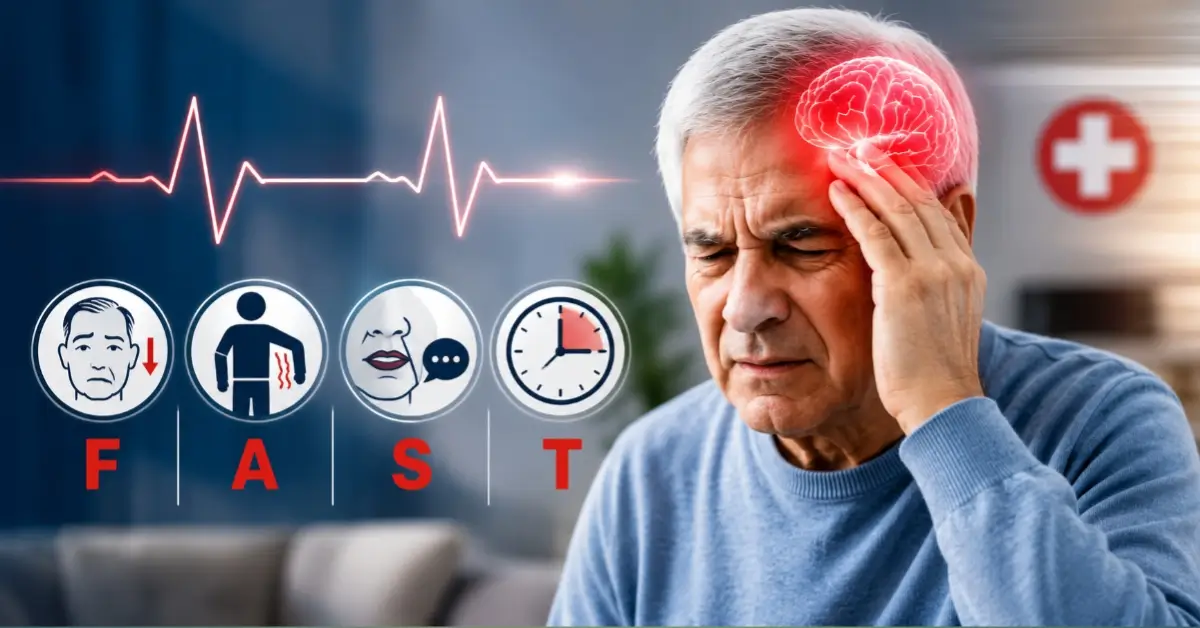
The most effective way to recognize stroke quickly is by using the FAST method: Face drooping, Arm weakness, Speech difficulty, and Time to call emergency services. If someone’s face looks uneven when they try to smile, or if one arm drifts down when both are lifted, it can be a stroke. Trouble speaking or slurred words are also common. As soon as any of these symptoms are present, call emergency help immediately. Do not wait for the signs to pass; every second counts. Brain cells die rapidly during a stroke, so early recognition is critical. Just like in First Aid for Heart Attack, speed and awareness can save lives.
Emergency First Aid Steps for Stroke
When a stroke is suspected, call emergency services immediately. Keep the patient calm and comfortable. Loosen tight clothing, and do not give them food or water, as swallowing may be impaired. If the person becomes unconscious but is still breathing, place them in the recovery position on their side to keep the airway clear. If they stop breathing, begin CPR right away. Time is the most important factor: the sooner medical treatment begins, the better the chances of recovery. In some cases, clot-busting medication must be given within hours of onset. First aid for stroke is not about curing—it is about stabilizing until professionals can take over.
Where Strokes Commonly Happen and How Bystanders Can Help
Strokes can happen anywhere—at home, in the workplace, while shopping, during exercise, or even while driving. Because stroke symptoms often appear suddenly, bystanders play a critical role in the first few minutes. Many lives have been saved because someone nearby recognized the warning signs and called emergency services immediately. Unfortunately, some people ignore symptoms, hoping they will disappear on their own. This delay can result in permanent brain damage.
If you witness someone experiencing possible stroke symptoms, stay calm and act quickly. Note the exact time when symptoms started because medical teams use this information to determine treatment options. Keep the person seated or lying down in a safe position and monitor their breathing. Avoid allowing them to walk without assistance because balance and coordination may be affected. If the person becomes unconscious, check responsiveness and prepare to provide CPR if necessary. Quick action from family members, coworkers, friends, or strangers often becomes the deciding factor between recovery and disability.
Risk Factors and the Link to Everyday Health
Learning First Aid for Stroke also means understanding risk factors. High blood pressure, smoking, obesity, and diabetes are leading causes. Uncontrolled diabetes, in particular, increases the risk of stroke. That is why managing diet and lifestyle is so important. Eating healthy meals, staying active, and maintaining balanced sugar levels reduce the chance of stroke. For more guidance on healthy eating habits, explore our detailed post on Diabetes Diet. Preventive health is always easier than emergency care, but knowing first aid ensures preparedness when prevention falls short.
Stroke vs. Other Conditions: Avoiding Confusion
Sometimes stroke symptoms are confused with other conditions, like dizziness, migraine, or even exhaustion. It is important not to dismiss early signs. Persistent fatigue, for example, may be linked to neurological or systemic problems. While Chronic Fatigue Syndrome is a different condition, its overlapping symptom of extreme tiredness can delay people from recognizing a real stroke. That is why spreading awareness matters. Families should learn how to differentiate between common fatigue and emergency warning signs. In any doubt, it is safer to treat it as a stroke and call emergency services.
Providing Comfort and Reassurance During Stroke
Beyond physical first aid, emotional support matters. During a stroke, the person may feel extreme fear or confusion. Talking calmly, holding their hand, and reassuring them that help is coming can lower stress levels. This emotional first aid is often overlooked but plays a role in survival and recovery. People who receive comfort alongside medical attention cope better with trauma. Families and caregivers should be trained to stay calm and focus on reassurance, not panic. These small actions make a big difference in outcomes for patients experiencing stroke.
First Aid Training and Community Awareness
Communities can improve survival rates by training people in First Aid for Stroke. Awareness programs in schools, workplaces, and community centers teach people to act quickly and effectively. Knowing how to position a patient, perform CPR, and recognize the FAST signs builds confidence. Governments and health organizations encourage CPR and first aid training because it reduces the burden on emergency systems and saves lives. Just like preparedness for other emergencies, stroke awareness should become part of life skills for every individual.
Emotional Impact on Caregivers and Professionals
Stroke emergencies do not only affect patients—they also impact caregivers and medical professionals. Witnessing a life-threatening event can cause emotional distress and trauma. Doctors and nurses often face a psychological burden known as the second victim effect. Families may also experience lasting stress after a loved one’s stroke. This is why support systems matter for everyone involved. For more about this emotional side of health crises, read our article on Second Victim Syndrome. First aid saves lives, but long-term healing includes emotional support for both patients and caregivers.
Recovery and Rehabilitation After Stroke
Surviving a stroke is only the beginning of the recovery journey. Many patients require rehabilitation to regain movement, speech, memory, and independence. Recovery varies depending on how quickly treatment was received and which part of the brain was affected. Physical therapy helps restore strength and mobility, while speech therapy supports communication skills. Occupational therapy teaches practical ways to perform daily activities safely.
Family support plays a major role during rehabilitation. Encouragement, patience, and emotional understanding help stroke survivors stay motivated during recovery. Healthy eating, regular medical follow-up, and gradual physical activity also contribute to better outcomes. The earlier rehabilitation begins, the greater the chance of improving long-term quality of life. This is another reason why rapid first aid and emergency response are so important when a stroke occurs.
Prevention: Building a Stroke-Free Future
While First Aid for Stroke is about emergency action, prevention is the ultimate goal. Regular health check-ups, balanced diet, daily physical activity, and controlling blood pressure are all essential. Quitting smoking, limiting alcohol, and managing stress lower the chances of stroke. Even simple lifestyle changes like walking daily, reducing salt intake, and staying hydrated make a big difference. Public health campaigns emphasize prevention because most strokes are avoidable. Families who focus on wellness reduce the risk of ever facing this emergency in the first place. First aid and prevention together create a safety net for communities worldwide.
Conclusion: First Aid for Stroke Saves Lives
In conclusion, First Aid for Stroke is not just about medical steps—it is about awareness, speed, and compassion. Recognizing the FAST signs, calling for help, and providing immediate care can save lives. Communities that train their members in first aid become stronger and safer. At the same time, prevention through diet, exercise, and stress management reduces the likelihood of stroke. Combining both approaches—preparedness for emergencies and lifestyle choices for prevention—creates a balanced path to health. Everyone can be a lifesaver by learning and teaching the essential skills of first aid for stroke.
Frequently Asked Questions (FAQ)
What is the first aid for stroke?
First aid for stroke includes recognizing symptoms using the FAST method, calling emergency services immediately, and keeping the patient safe until help arrives.
Why is time important in stroke emergencies?
Time is critical because brain cells die quickly during a stroke. Fast action improves chances of recovery and survival.
Can lifestyle changes prevent stroke?
Yes. Healthy diet, exercise, and controlling conditions like diabetes and hypertension greatly reduce the risk of stroke.
What should not be done during stroke first aid?
Do not give food, drink, or medication unless instructed by a professional. Keep the patient calm and wait for emergency help.