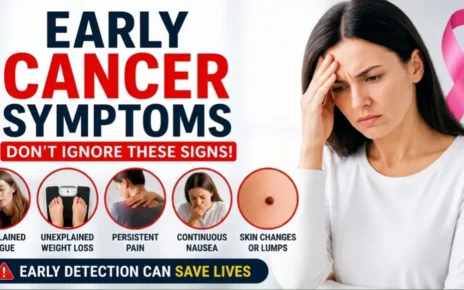
Early Signs of Cancer in Women You Should Not Ignore
Many health issues in women start with small, subtle changes that are easy to overlook. It’s common to ignore symptoms, especially when life gets busy or when discomfort seems temporary. However, certain early signs can indicate something more serious, including the possibility of cancer. Recognizing these signals early can make a significant difference in outcomes. Awareness does not mean fear—it means being informed and paying attention to your body. Women often delay seeking help because symptoms may seem minor or unrelated. But understanding what to watch for can help you take timely action and avoid complications later. Developing awareness is one of the most important steps toward protecting long-term health.
Why Early Detection Matters
Early detection plays a crucial role in managing many types of cancer effectively. When symptoms are identified in the early stages, treatment options are often more successful and less aggressive. This is why awareness of early warning signs is so important. Many women assume that serious illnesses always come with severe symptoms, but that’s not always the case. In reality, early-stage cancer may present with mild or unusual changes that can easily be dismissed. Understanding these patterns can help you make better health decisions. If you want to explore general warning signs, you can also read cancer early warning signs to understand broader indicators.

Taking early signs seriously does not mean assuming the worst. It simply means staying aware and responsive to your body. Even small changes can provide important clues. Regular checkups and timely consultation can help rule out serious conditions or detect them early when they are easier to manage.
Common Early Signs Women Should Watch For
There are several early symptoms that women should not ignore, especially if they persist over time. One of the most common signs is unexplained fatigue. Feeling tired occasionally is normal, but ongoing fatigue without a clear reason may require attention. Another important sign is unexplained weight loss. If you notice weight changes without changes in diet or activity, it could indicate an underlying issue. Persistent pain, especially in areas like the abdomen or chest, should also be taken seriously if it does not improve.

Changes in skin appearance, such as unusual spots, discoloration, or slow-healing wounds, can also be early indicators. In addition, changes in normal body functions, such as irregular digestion or unusual bleeding, should not be ignored. These signs may seem unrelated at first, but when combined or persistent, they may require medical attention. You can also explore early cancer symptoms for a deeper understanding of how these signs develop over time.
When Symptoms Should Not Be Ignored
One of the biggest challenges is knowing when to take symptoms seriously. Occasional discomfort is normal, but persistent or recurring symptoms should always be evaluated. If a symptom lasts longer than a few weeks, worsens over time, or affects daily activities, it’s important to seek professional advice. Many women delay action because symptoms are not severe, but early stages often present with mild signs. Paying attention to patterns is key. If something feels unusual or different from your normal health pattern, it’s worth investigating.

Another important factor is understanding personal risk. Family history, age, and lifestyle can influence the likelihood of certain conditions. However, even without risk factors, symptoms should not be ignored. Awareness is about being proactive rather than reactive. If you want to understand how symptoms develop before diagnosis, you can explore how to recognize early cancer symptoms and identify patterns early.
Building Awareness and Taking Action
Awareness starts with understanding your own body. Women should feel comfortable tracking changes and discussing concerns without hesitation. Keeping a simple record of symptoms can help identify patterns and provide useful information during medical consultations. Education also plays a key role. Learning about common symptoms and warning signs empowers you to make informed decisions. It’s also important to encourage open conversations about health, as many symptoms go unnoticed due to lack of awareness or hesitation.
Taking action does not always mean immediate treatment—it often begins with simple steps like consulting a healthcare professional, asking questions, and getting the right tests when needed. The goal is not to create fear but to build confidence in recognizing when something needs attention. You can also read cancer early warning signs to expand your understanding of symptom awareness and early detection.
By staying informed, observant, and proactive, women can take control of their health and reduce the risk of late diagnosis. Early awareness is one of the most powerful tools in maintaining long-term well-being.
Frequently Asked Questions
What are the early signs of cancer in women?
Common early signs include unexplained fatigue, weight loss, persistent pain, skin changes, and unusual bleeding.
Should I worry about mild symptoms?
Mild symptoms are not always serious, but if they persist or worsen over time, it is important to consult a healthcare professional.
How long should symptoms last before seeing a doctor?
If symptoms last more than a few weeks or keep coming back, it’s best to seek medical advice for proper evaluation.
Can early cancer symptoms be mistaken for normal issues?
Yes, many early symptoms can appear mild or similar to common health issues, which is why awareness is important.
Does early detection improve outcomes?
Yes, detecting cancer early can lead to better treatment options and improved chances of recovery.
What should I do if I notice unusual changes in my body?
You should monitor the changes and consult a healthcare professional if they persist or feel unusual.