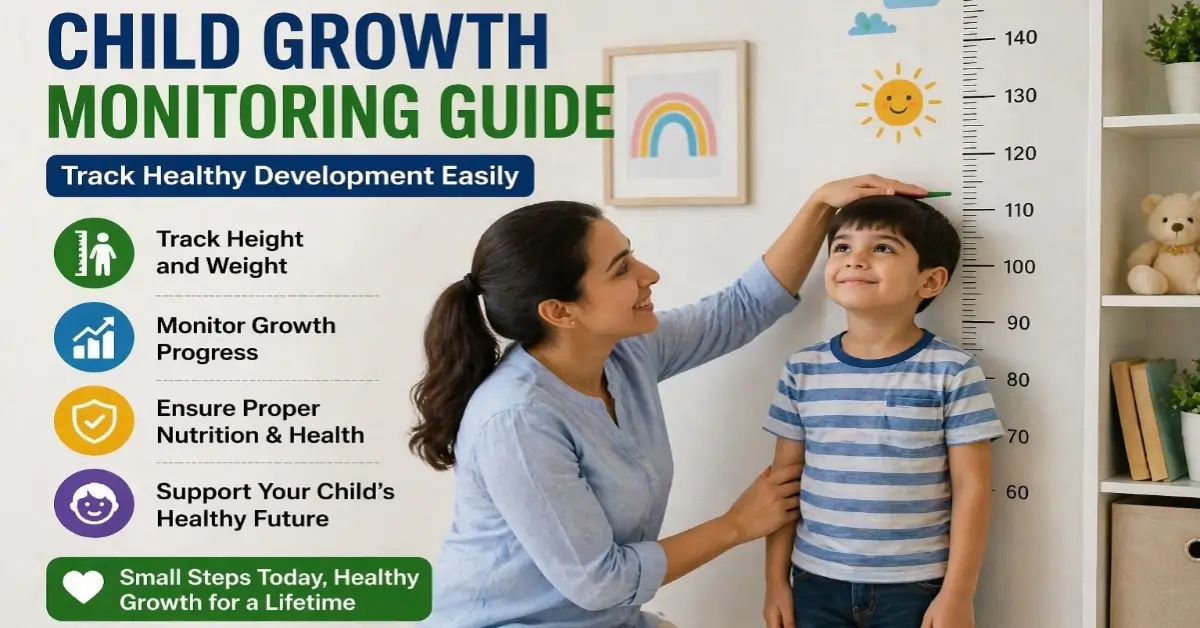
Child Growth Monitoring Guide: How to Track Healthy Development
A child growth monitoring guide helps parents understand whether a child is growing in a healthy and balanced way. Growth is not only about height and weight. It also includes physical strength, mental development, and emotional wellbeing. Many parents notice changes in appetite, energy, or behavior but do not know whether these changes are normal. Regular growth monitoring helps parents identify potential problems early and take timely action.
Children grow at different speeds, but consistent tracking shows clear patterns. When growth is monitored properly, doctors and parents can compare progress with healthy standards. This process reduces confusion and anxiety. A clear child growth monitoring guide allows families to support healthy development without panic or guesswork.
Growth monitoring is especially important during early childhood because this is the fastest growth phase. Small problems during early years can affect long-term health if ignored. Monitoring helps ensure children receive proper nutrition, care, and medical support at the right time.
What Is Child Growth Monitoring?
Child growth monitoring is the process of regularly measuring a child’s height, weight, and body development over time. These measurements are compared with standard growth charts to understand whether development is on track. Growth monitoring is not a one-time activity but a continuous process.
Doctors use growth monitoring to identify delayed growth, sudden weight changes, or uneven development. Parents can also observe daily signs such as appetite changes, fatigue, or slow physical activity. Monitoring combines medical measurement with daily observation at home.
A structured child growth monitoring guide helps parents understand growth charts and recognize warning signs. It empowers families to make informed decisions and seek medical advice when necessary. This approach prevents late diagnosis of growth-related health issues.

Why Growth Monitoring Is Important for Children
Growth monitoring plays a vital role in detecting health issues early. Slow growth may indicate nutritional deficiencies, hormonal imbalance, or chronic illness. Sudden weight gain or loss may also signal underlying problems that need attention.
Regular monitoring helps ensure children receive proper nutrition and care. Parents who follow a child growth monitoring guide are more likely to adjust diets, routines, and medical care when needed. This reduces long-term health risks.
Growth monitoring also supports emotional wellbeing. When children grow well, they feel energetic and confident. Parents feel reassured knowing their child’s development is healthy and supported.
Nutrition and Child Growth
Nutrition is one of the most important factors affecting child growth. Children need balanced meals that include proteins, carbohydrates, healthy fats, vitamins, and minerals. Poor nutrition can slow growth and weaken immunity.
Growth monitoring helps parents understand whether nutrition is supporting healthy development. When growth slows, dietary changes may be needed. Balanced nutrition supports both physical growth and brain development.
Parents who follow daily child immunity support often include growth-friendly foods as part of daily routines. Strong immunity and proper growth go hand in hand.

Common Growth Issues in Children
Some children experience growth delays due to digestive problems, frequent illness, or poor appetite. These issues may seem minor but can affect long-term development if ignored.
Conditions such as child stomach pain can interfere with nutrient absorption. When digestion is weak, growth may slow despite regular eating.
Monitoring growth helps identify these issues early. Once identified, parents can work with healthcare providers to address the root cause and restore healthy development.
Growth Monitoring and Overall Child Health
Growth reflects overall child health. Children who grow well usually have good immunity, energy, and emotional balance. Poor growth may signal frequent infections or chronic conditions.
Respiratory issues such as frequent coughing can also affect growth. Parents should understand symptoms explained in child cough symptoms to prevent repeated illness from slowing development.
A child growth monitoring guide helps parents connect physical growth with overall health patterns. This holistic view supports better long-term care.

How Parents Can Track Growth at Home
Parents can track growth by measuring height and weight every few months. Keeping records helps identify patterns and changes. Growth should be compared over time rather than judged from one measurement.
Observing daily behavior is equally important. Energy levels, appetite, sleep, and activity all reflect healthy growth. Parents should note any sudden changes.
A clear child growth monitoring guide encourages consistency and awareness. When parents stay informed, children receive better support and care.
Conclusion
Child growth monitoring is an essential part of pediatric health care. It helps detect problems early and supports healthy physical and mental development.
By following a structured child growth monitoring guide, parents can protect their child’s health and ensure steady growth throughout childhood.
Frequently Asked Questions
What is a child growth monitoring guide?
A child growth monitoring guide helps parents track a child’s height, weight, and development over time to ensure healthy physical growth.
Why is child growth monitoring important?
Growth monitoring helps detect delayed growth, nutritional problems, or health issues early, allowing timely medical support.
How often should parents monitor child growth?
Parents should monitor growth every few months, especially during early childhood when growth changes rapidly.
Can poor nutrition affect child growth?
Yes, lack of balanced nutrition can slow physical growth and weaken immunity, affecting overall child development.
When should parents worry about slow growth?
Parents should consult a healthcare provider if growth slows suddenly, weight drops, or the child appears constantly weak or tired.
Does growth monitoring support long-term child health?
Yes, regular growth monitoring supports early detection of problems and helps maintain healthy development throughout childhood.