Hidden Signs of Mild Depression: Understand What Others Miss
Recognizing Hidden Emotional Changes in Daily Life
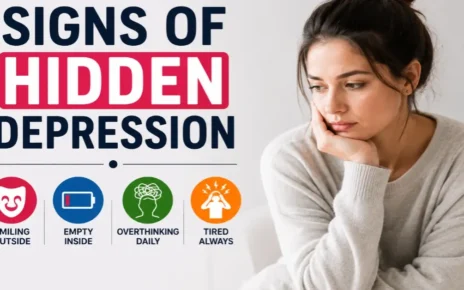
Hidden signs of mild depression are often subtle and easy to overlook, especially when life feels busy or stressful. Many people associate depression only with major sadness or inability to function, but mild depression often shows itself in smaller emotional shifts that others might dismiss. A person may seem outwardly fine, yet inside they feel tired, distant, or emotionally numb. These quiet emotional changes can affect motivation, enjoyment of daily activities, and overall mood without obvious tears or emotional outbursts. Early awareness of these shifts helps individuals seek help sooner rather than later, preventing escalation into severe depression. Understanding how emotional balance changes subtly allows people to support themselves and others more effectively.
Hidden signs of mild depression often appear in the way individuals interact with their environment. Simple things like avoiding social invitations, deepening procrastination, or losing interest in hobbies that once brought joy may signal emotional imbalance. These changes might be attributed to “just being tired” or “stress,” but when they persist consistently for weeks, it is crucial to pay attention. Friends and family may notice decreased enthusiasm or lack of engagement in conversations that were once lively. These emotional cues are part of the early pattern that mild depression can create, and noticing them can support timely emotional care and resilience building before the symptoms worsen.
Another early sign of mild depression is difficulty managing emotions during everyday situations. People might feel unusually frustrated or irritated over minor issues that previously would not affect their mood. Emotional reactions can feel heavier and harder to control, even when the situation seems simple. This emotional weight often stays under the surface, making it challenging for individuals to express what they are feeling. Gradually, they may withdraw from loved ones or miss out on meaningful experiences. Being mindful of these emotional shifts and exploring them openly with trusted friends or professionals can make a significant difference in long-term mental health.

In many cases, hidden signs of mild depression also show up in personal reflection and self-talk. A person may feel a growing pattern of negative thoughts like “I am not good enough” or “Nothing matters much anymore” that seem minor at first but happen regularly. These thoughts can be sneaky and might be brushed off as “just a phase.” Over time, however, they can subtly shape mood and behavior. Recognizing this early helps create space for positive habits, supportive social interaction, and emotional self-awareness. When people learn to notice these patterns early, they can address them before they deeply affect life quality.
Physical and Behavioral Patterns That Signal Mild Depression
Beyond emotional changes, hidden signs of mild depression can appear in physical and behavioral patterns. One very common change is sleep disruption. People might find themselves sleeping more than usual, feeling constantly tired, or struggling to fall asleep at night. These sleep changes may not be dramatic, but a consistent shift in energy and rest patterns over time should not be ignored. When the body does not rest well, emotions become harder to regulate, and daily motivation decreases. Observing sleep habits and acknowledging changes early supports emotional wellbeing and encourages gentle lifestyle adjustments that strengthen mental health.
Another hidden sign is change in appetite or eating behavior. People experiencing mild depression may eat more than usual to seek comfort, or they may lose their appetite altogether. These shifts are often subtle, happening over several weeks, and might be mistaken for temporary stress responses. The important thing is to notice patterns that deviate from a person’s usual routine. Gradual changes in eating habits also affect energy levels, mood, and even immune health. Paying attention to these small behavioral shifts allows individuals and caregivers to identify emotional imbalance before it grows stronger.
Daily routines may also change as a result of mild depression. A person may start skipping exercise, forget routine tasks, or push chores aside because they feel less motivated. These behaviors may go unnoticed because they happen slowly, one step at a time. When someone stops caring for themselves as consistently as before, it signals that emotional energy is being depleted. These behavioral shifts are part of hidden signs of mild depression and should be acknowledged rather than dismissed as “just laziness” or “not having time.” Observing these patterns provides an opportunity to take supportive action early.

Physical tension and unexplained aches are other patterns associated with mild depression. Many people do not realize that emotional imbalance impacts the body. Symptoms like headaches, muscle tension, or digestive discomfort can accompany the emotional shifts of mild depression. These physical symptoms often lead people to focus on physical causes while the underlying emotional state remains unnoticed. Recognizing that physical and emotional wellbeing are interconnected helps people respond with compassion toward themselves and makes early support more effective.
Daily Habits That Support Early Detection and Emotional Care
Practicing daily emotional awareness supports early recognition of hidden signs of mild depression. People who follow routines like emotional self regulation skills often notice emotional shifts sooner, giving them time to respond with self-care rather than denial. Emotional self-talk, gratitude journaling, or simply talking with a trusted friend creates space for understanding emotional changes and nurtures mental resilience.
Another habit that supports wellbeing is maintaining balanced nutrition. Eating regular meals that include nutrient-rich food enhances energy levels and emotional clarity. Habits discussed in low impact daily workout routine not only strengthen the body but also reduce stress hormones, improving mood and overall emotional balance. Combining gentle exercise with balanced nutrition creates a foundation for more stable emotions.
Consistent self-reflection helps individuals differentiate between normal emotional fluctuation and early signs of mild depression. Taking a few minutes daily to check in with one’s feelings provides clarity over time. Simple questions like “How did I feel today compared to last week?” encourage deeper awareness. This regular habit builds emotional intelligence, increases self-understanding, and helps people seek timely support if needed.

Awareness of serious health conditions also plays a role in understanding emotional wellbeing. People who learn about long-term illnesses and prevention, such as guidance shared in early cancer warning habits , often become more attentive to both physical and emotional health. This broader awareness encourages timely medical consultation, healthier lifestyle choices, and emotional openness. When individuals understand how physical and mental health connect, they are more likely to take early emotional symptoms seriously and seek supportive care without delay.
Creating daily schedules that include rest, purposeful activity, social connection, and mindful breaks supports emotional strength. People often underestimate the power of predictable routines, but regular sleep, hydration, gentle movement, and moments of calm reflection contribute to overall mental wellbeing. When these healthy habits become part of everyday life, subtle emotional shifts are less likely to go unnoticed, supporting early intervention before symptoms deepen.
Frequently Asked Questions
What are hidden signs of mild depression?
Hidden signs of mild depression include subtle emotional changes, low motivation, sleep disruption, and reduced interest in daily activities that may appear without obvious sadness.
How is mild depression different from severe depression?
Mild depression shows softer symptoms that allow daily functioning, while severe depression causes intense emotional distress and major disruption in normal life.
Can hidden signs of mild depression go away without treatment?
Sometimes symptoms improve with lifestyle changes and emotional support, but persistent signs should be discussed with a mental health professional.
What daily habits help manage mild depression?
Healthy sleep, balanced nutrition, gentle exercise, emotional awareness, and supportive social connection help reduce symptoms and improve mood stability.
When should someone seek professional help for depression?
If symptoms last more than two weeks, worsen, or interfere with daily life, professional mental health support is strongly recommended.
Can early awareness prevent severe depression?
Yes, recognizing hidden signs of mild depression early allows timely care, emotional support, and lifestyle changes that may prevent progression to severe depression.